

Maddy summaryHB 1524 amends the Public Transportation Assistance Fund provisions within Pennsylvania's Tax Reform Code of 1971. The bill revises how funds are managed or allocated for public transportation programs, directly affecting state transportation agencies and public transit providers receiving these funds. It modifies specific sections of the existing tax code governing this dedicated fund. The bill was recently referred to the Transportation committee for further consideration. (3 sentences)
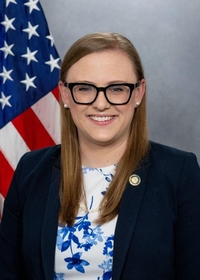
Rep. Jenn O'Mara
Sponsored bills
Maddy summaryHB 1523 would impose an excise fee on rides provided by transportation network companies (TNCs) like Uber or Lyft in Pennsylvania. The bill amends specific sections of state law related to municipalities, public utilities, and transportation to require this fee to be collected on each ride. The fee would directly affect TNC operators, who would be responsible for paying and collecting it from riders. This policy change creates a new revenue stream for transportation-related funds under the amended statutes.
Maddy summaryHB 1518 amends Pennsylvania's driver licensing laws under Title 75 of the Consolidated Statutes. It focuses on updating procedures for applying for driver's licenses or learner's permits, as well as modifying the content, expiration, and renewal processes for licenses. The bill directly affects Pennsylvania drivers who apply for or renew their licenses. The provided context does not include specific provisions or mechanisms of the bill, only its title and referral to the Transportation committee.
Maddy summaryThis bill updates Pennsylvania's pilot program for non-narcotic medication-assisted treatment (MAT) in prisons and parole settings. It removes outdated rules about the program's establishment, clarifies requirements for county participation, and specifies how grant funds can be used for treatment services. The Pennsylvania Commission on Crime and Delinquency gains new duties to oversee the program, and the bill includes administrative updates to the state statutes governing it. The changes directly affect counties administering the pilot program and individuals in prison or parole under the MAT initiative.
Maddy summaryHB 79 requires hospitals to establish clear financial assistance programs for patients who cannot afford care, including standardized forms and easily accessible information about eligibility and coverage. It mandates that hospitals publicly share details about their financial aid policies and report their program rules to the Department of Health. These requirements directly affect hospitals operating in the state and patients seeking financial help with medical bills. The bill aims to standardize and increase transparency in hospital financial aid offerings.
Maddy summaryHB 926 requires healthcare facilities to establish violence prevention committees to address workplace violence. These committees must develop safety plans, and facilities must report violent incidents to the Department of Labor and Industry. The Department gains authority to enforce compliance, impose fines, and issue administrative penalties for violations. This bill directly affects hospitals, clinics, and all healthcare workplaces covered under state labor regulations.
Maddy summaryHB 1263 establishes Pennsylvania's Keystone Saves Program, creating a state-run savings initiative for low-to-moderate income residents. The bill sets up a dedicated program fund and administrative fund managed by the Treasury Department, which will handle investments while adhering to fiduciary responsibilities. An advisory board will oversee program implementation and ensure it meets the needs of participants. This program directly affects eligible Pennsylvanians by providing a structured savings option, with the Treasury Department responsible for managing funds and investments.
Maddy summaryHB 504, the Community Energy Act, establishes a framework for third-party-owned community energy projects (like solar gardens) in Pennsylvania. It requires electric distribution companies to connect these facilities, provides bill credits to subscribers (homeowners, renters, and businesses) for energy generated, and ensures guaranteed savings by linking subscription payments to bill reductions. Key provisions include setting size limits (max 5,000 kW for most facilities), mandating that at least 50% of subscriptions come from small users or farms, and requiring fair wages for construction workers. The bill directly affects electric companies (with new connection duties), community energy organizations (as owners/operators), and subscribers (who gain access to shared renewable energy).
Maddy summaryHB 818 creates a program allowing first-time homebuyers in the Commonwealth to open state-backed savings accounts for down payments and closing costs. It establishes a dedicated First-time Homebuyer Savings Account Fund and requires the Treasury Department to manage the program and allocate funds. The bill directly affects eligible first-time homebuyers by providing a new savings mechanism for housing costs. Key provisions include the fund's creation, Treasury's administrative duties, and the structure for account access.
Maddy summaryHB 500 repeals existing tax credit provisions for local resource manufacturing (petrochemicals/fertilizers) and Pennsylvania milk processing, while creating new tax credits for clean energy and advanced manufacturing sectors. It establishes tax credits for reliable energy investments, regional clean hydrogen hubs, semiconductor manufacturing, biomedical research, geothermal energy, and sustainable aviation fuel. Eligible businesses must meet specific criteria for capital investment, job creation, and project location to apply for these credits through the Department of Revenue. The bill also updates definitions and application processes for these new credits, with annual funding limits and rules for credit usage.