

Maddy summaryHB 455 establishes Pennsylvania's "Building a Better Future Grant Program" to fund organizations providing education and workforce training to young adults aged 16-24 who are disconnected from education. The program targets organizations serving youth from low-income backgrounds with specific vulnerabilities (e.g., foster care, disability, homelessness, or school dropout) and requires grantees to offer at least two services like job training, career counseling, or high school equivalency support. The Department of Labor and Industry will administer $5 million in state funding (from the General Fund) to award grants of up to $1 million per organization, with 5% reserved for statewide technical assistance. This directly affects eligible young adults and qualifying local organizations focused on construction, healthcare, and other in-demand vocational fields.
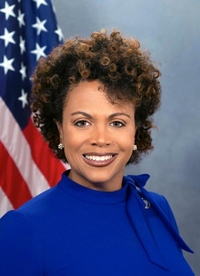
Rep. Gina Curry
Sponsored bills
Maddy summaryHB 443 modifies Pennsylvania's sentencing for second-degree murder convictions, including murder of an unborn child or a law enforcement officer. It reduces maximum sentences: for adults, from life imprisonment to 50 years; for offenders under 18, it sets a maximum of 40 years for those 15+ at the time of crime and 30 years for those under 15. The bill also establishes new parole timelines - 25 years for standard life sentences under this section, 20 years for those under 18 aged 15+, and 15 years for those under 15 - requiring the parole board to prioritize public safety, victim safety, and consider the offender's culpability before granting parole. Additionally, it mandates that victims be notified and given a chance to be heard before parole decisions for these cases.
Maddy summaryHB 432 establishes Pennsylvania's Maternal Care Access Program under the Department of Health to address gaps in maternal healthcare. The bill identifies counties as "maternal care access zones" using the Maternal Vulnerability Index (based on social factors like poverty, education, and healthcare access) and the Social Vulnerability Index. It requires the Department to develop regulations for improving access to obstetric care, birth centers, and providers in areas classified as "maternity care deserts" (regions lacking hospitals, birth centers, or specialized providers within 25 miles). The program directly affects underserved communities and the Department of Health, focusing on concrete policy changes to expand maternal health resources.
Maddy summaryThis resolution designates January 2025 as "School Director Recognition Month" in Pennsylvania. It honors the 4,500 locally elected school directors who volunteer to lead public school districts, set educational standards, manage budgets, and advocate for students. The resolution does not create new laws or funding; it is a symbolic gesture to acknowledge their service. The House will send a copy to the Pennsylvania School Boards Association to support the recognition effort.
Maddy summaryThis resolution designates January 23, 2025, as "Maternal Health Awareness Day" in Pennsylvania. It aims to recognize women who die from pregnancy or childbirth complications, highlighting Pennsylvania's maternal mortality rate of 82 deaths per 100,000 live births and the significantly higher rate (163 per 100,000) for Black women. The resolution does not create new laws or funding but seeks to increase public and healthcare awareness about maternal health risks. It references existing efforts like the Maternal Mortality Review Committee established under Act 24 of 2018.
Maddy summaryThis resolution (HR 43) symbolically recognizes April 2025 as "Sexual Assault Awareness Month" in Pennsylvania, marking the 24th anniversary of the observance in the Commonwealth. It does not create new laws or policies but encourages communities to support survivors, promote prevention education, and foster safer environments online and offline. The resolution emphasizes collective action to address sexual violence, referencing national awareness efforts and Pennsylvania's historical context. It has no direct impact on specific individuals or groups, as it is a ceremonial recognition by the Pennsylvania House of Representatives.
Maddy summaryHB 390 creates a $1,000 annual tax deduction for Pennsylvania health care providers who volunteer to supervise clinical training for students. It directly affects licensed physicians, nurses, physician assistants, and nurse anesthetists who provide uncompensated, volunteer-based clinical training (minimum 80 hours annually per student) to eligible students in approved programs. The bill establishes a Preceptor Certification Committee within the Department of Health to verify eligibility, process applications within 30 days, and issue certificates confirming the deduction. To claim the deduction, providers must submit this certificate with their tax return, and the deduction cannot exceed the tax owed. The policy change specifically targets volunteer clinical education support without altering tax rates or creating new tax credits.
Maddy summaryHB 389 establishes the New Nursing Faculty Grant Program to support nursing education in Pennsylvania. It provides $10,000 grants to eligible nursing faculty members at accredited medical colleges who are PA residents, employed full-time (or have a pending offer), and have no more than three years of experience. The Pennsylvania Higher Education Assistance Agency (PHEAA) will administer the program, prioritizing positions historically difficult to fill, with applications submitted by nursing program deans. Grants cover professional expenses and aim to increase enrollment capacity at nursing programs.
Maddy summaryHB 387 amends Pennsylvania's Public School Code to require public schools to notify parents, guardians, or custodial parents about specific incidents involving students. It mandates timely notification for incidents that must be reported in school safety reports (Section 1319-B) or serious injuries occurring on school property, buses, or school activities. Schools must maintain updated contact information, use preferred notification methods (email, text, etc.), and train staff on these requirements. Non-compliant schools risk losing state funding, as specified in Section 1314-A(f). This directly affects all Pennsylvania public schools and their students' families.
Maddy summaryHB 323 requires nonprofit corporations (both domestic and foreign with 200+ Pennsylvania employees) to meet specific conditions to receive state contracts, funding, or grants. Key provisions include: prohibiting eligibility if the nonprofit violated federal labor laws in the past five years, was found guilty of unfair labor practices in Pennsylvania within five years, or fails to submit bylaws requiring at least 20% of board members to be current employees elected by staff. Healthcare-related funding (like Medicaid reimbursements) and past violations occurring before the law's effective date are exempt. The law applies to new state contracts, funding, or grants approved on or after its effective date, which is 60 days after enactment.