

Maddy summaryHB 1022 amends Pennsylvania's Human Services Code to clarify when licensed facilities (like childcare centers or care homes) can face license refusal, revocation, or penalties. It adds specific new violations that trigger these actions, including repeated breaches of children's rights, improper use of restraints, or failures in staff background checks and training. The bill also expands penalties to allow fines against facilities and mandates disciplinary action against staff responsible for violations. Facilities must receive written notice explaining the reason for any license denial, revocation, or penalty. The changes take effect 60 days after enactment.
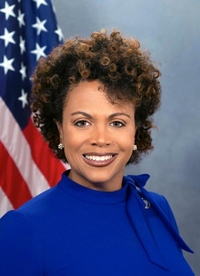
Rep. Gina Curry
Sponsored bills
Maddy summaryHB 1021 replaces Pennsylvania's current requirement for separate rooms for juvenile offenders awaiting trial with a new system mandating counties to provide dedicated rooms or buildings exclusively for juvenile confinement, detention, and care. It requires county commissioners to establish a board of managers for each facility, composed of county officials and six private citizens with expertise in juvenile development, mental health, and substance use disorders. The board oversees operations, appoints a superintendent, and reports annually to county officials, while counties fund all expenses through annual appropriations. This bill directly affects all Pennsylvania counties, particularly those previously governed by the repealed provisions for second-class A counties. The law focuses on structural changes to juvenile detention facilities rather than altering sentencing or legal procedures.
Maddy summaryHB 1029 amends Pennsylvania's 1937 Labor Relations Act to clarify worker protections and union election processes. It defines "employe" more broadly (excluding independent contractors) and bans agreements that prevent workers from joining class or collective lawsuits. Employers must post notices about labor rights and provide detailed voter lists for union elections within two business days of a board order. The bill also adds new unfair labor practices, including coercing workers to sign agreements that limit their right to pursue collective claims. These changes directly affect Pennsylvania workers, employers, and labor organizations involved in union representation efforts.
Maddy summaryHB 964, the Victims of Violence Safe Employment Act, provides eligible Pennsylvania employees with up to 160 hours of protected leave when they or a defined family member experience a "qualifying act" of violence - including domestic violence, sexual violence, stalking, or abuse of a vulnerable adult. Employers cannot retaliate against employees for taking this leave, and employees can sue if they face adverse actions like termination or demotion for using it. The bill defines "family member" broadly to include domestic partners, caregivers, and others with significant emotional ties, and "qualifying acts" cover both criminal and non-criminal violent conduct. It requires employers to allow the leave without penalty, with penalties for violations including fines and legal liability.
Maddy summaryHB 362 amends Pennsylvania's 1929 Administrative Code to authorize the Energy Development Authority to administer federal funds from the Inflation Reduction Act of 2022 for the Solar for All Program. It directs the Authority to distribute funds for residential solar installations, storage, and upgrades to qualifying households across all Pennsylvania counties, prioritizing rural, suburban, and urban communities. The bill specifically prohibits using funds for solar panels or parts made with forced labor (defined as work performed under threat of penalty without voluntary consent) and requires the Public Utility Commission to protect non-participating ratepayers from cross-subsidization. This creates a clear administrative framework for implementing the federal program while adding labor and ratepayer safeguards.
Maddy summaryHB 951 amends Pennsylvania's vehicle registration laws to replace the term "handicapped" with "accessible" in all state materials related to disability plates, placards, and parking regulations. It updates the exemption for nonprofit organizations serving individuals with disabilities to use the phrase "individuals with mental or physical disabilities" instead of outdated language. The bill also revises city parking regulations to require the use of "accessible" in signage, permit programs, and enforcement materials for cities of the first and second class. These changes apply directly to disabled individuals using state-issued plates, nonprofits serving them, and city parking authorities managing parking systems.
Maddy summaryThis Pennsylvania House Resolution (HR 119) designates February 24 through March 2, 2025, as "Eating Disorders Awareness Week" in the state. It symbolically recognizes the importance of raising public awareness about eating disorders, which affect millions and have high mortality rates. The resolution urges the Governor to issue a proclamation encouraging public officials, healthcare providers, and residents to observe the week with educational activities and promote early intervention resources. It does not create new laws or allocate funding, serving solely as a symbolic acknowledgment of the issue.
Maddy summaryHB 925 creates a new "Safe Path Restricted Account" within Pennsylvania's General Fund, initially funded by a $50 million transfer for fiscal year 2024-2025. The Pennsylvania Commission on Crime and Delinquency will manage these funds to award grants to local governments and nonprofits. These grants will support safe passage programs improving safety for people traveling to and from schools and community centers. Priority for funding will be given to communities with high gun violence rates, as determined by the commission.
Maddy summaryHB 936 modifies Pennsylvania's child care subsidy program by reducing copayments for parents who work in the child care field. It requires that families where a parent or caretaker is employed as a child-care worker or direct support professional (in either family child-care homes or licensed centers) pay no more than 15% of their annual income for subsidized care, regardless of their income level. This change applies to all qualifying child care settings defined in the bill, including family child-care homes (serving 4-6 unrelated children) and centers (serving 7+ children). The policy aims to lower financial barriers for child care workers seeking subsidized care for their own children.
Maddy summaryHB 111 prohibits life insurance companies in Pennsylvania from denying coverage, limiting benefits, or charging higher rates to applicants or policyholders solely because they have been prescribed an opioid overdose reversal agent (like naloxone). The bill directly affects individuals who use these medications, including those with opioid use disorder or at risk of overdose. It defines "adverse action" to include these discriminatory practices and makes such actions violations of existing laws against unfair insurance practices. The law takes effect 60 days after enactment.