

Maddy summaryHB 487 amends Pennsylvania's procurement law to prioritize contracts for supplies manufactured and services performed by organizations employing people with disabilities, directly affecting Commonwealth agencies and disability service providers. The bill requires these contracts to be entered without competitive bidding if people with disabilities make a meaningful contribution to the work, mandates annual reviews for contracts over $300,000 to verify compliance, and phases out the use of federal subminimum wage certificates (14(c)) over two years. It also requires integrated work environments where employees with disabilities interact with non-disabled coworkers in state-contracted workplaces, with annual site visits to monitor compliance. The law aims to strengthen economic opportunities for people with disabilities through state procurement while ensuring fair pricing and accountability.
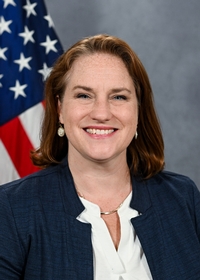
Rep. Heather Boyd
Sponsored bills
Maddy summaryHB 443 modifies Pennsylvania's sentencing for second-degree murder convictions, including murder of an unborn child or a law enforcement officer. It reduces maximum sentences: for adults, from life imprisonment to 50 years; for offenders under 18, it sets a maximum of 40 years for those 15+ at the time of crime and 30 years for those under 15. The bill also establishes new parole timelines - 25 years for standard life sentences under this section, 20 years for those under 18 aged 15+, and 15 years for those under 15 - requiring the parole board to prioritize public safety, victim safety, and consider the offender's culpability before granting parole. Additionally, it mandates that victims be notified and given a chance to be heard before parole decisions for these cases.
Maddy summaryHB 432 establishes Pennsylvania's Maternal Care Access Program under the Department of Health to address gaps in maternal healthcare. The bill identifies counties as "maternal care access zones" using the Maternal Vulnerability Index (based on social factors like poverty, education, and healthcare access) and the Social Vulnerability Index. It requires the Department to develop regulations for improving access to obstetric care, birth centers, and providers in areas classified as "maternity care deserts" (regions lacking hospitals, birth centers, or specialized providers within 25 miles). The program directly affects underserved communities and the Department of Health, focusing on concrete policy changes to expand maternal health resources.
Maddy summaryHB 428 establishes the Pennsylvania Artist Fellowship Grant Program, providing $100,000 annual grants to up to 25 eligible artists in the state. The program directly affects Pennsylvania residents aged 18+ who are visual, media, film, or performing artists with regular creative practice, not enrolled in school, and who produce community-accessible work. Key provisions include the Pennsylvania Council on the Arts administering applications, disbursement, and record-keeping, with grants permitted for project costs (materials, travel, housing) but prohibited for political activities or lobbying. The bill appropriates $2.5 million for grants and $250,000 for administration from the General Fund, effective 60 days after enactment.
Maddy summaryThis resolution designates January 2025 as "School Director Recognition Month" in Pennsylvania. It honors the 4,500 locally elected school directors who volunteer to lead public school districts, set educational standards, manage budgets, and advocate for students. The resolution does not create new laws or funding; it is a symbolic gesture to acknowledge their service. The House will send a copy to the Pennsylvania School Boards Association to support the recognition effort.
Maddy summaryThis resolution designates January 23, 2025, as "Maternal Health Awareness Day" in Pennsylvania. It aims to recognize women who die from pregnancy or childbirth complications, highlighting Pennsylvania's maternal mortality rate of 82 deaths per 100,000 live births and the significantly higher rate (163 per 100,000) for Black women. The resolution does not create new laws or funding but seeks to increase public and healthcare awareness about maternal health risks. It references existing efforts like the Maternal Mortality Review Committee established under Act 24 of 2018.
Maddy summaryHR 41 is a resolution directing Pennsylvania's Joint State Government Commission to study emergency child care needs and develop recommendations. The study will examine current availability (including Pennsylvania's 12 crisis nurseries), staffing challenges (like low wages averaging $12.43/hour), funding sources (including federal programs), and how other states license facilities. It requires the Commission to form an advisory committee with child care providers, parents, health/human services officials, and county representatives. The Commission must submit its report to the House within 18 months. This resolution does not create new laws but aims to inform future policy decisions.
Maddy summaryHB 329 modifies Pennsylvania's school funding formula to adjust how state funds are distributed to school districts starting in fiscal year 2025-2026. It creates a new "Senior Citizen Tax Freeze" program (Section 504.1), allowing eligible seniors (65+ who own their homes) to freeze school property taxes at their base payment level, preventing increases beyond that amount. Seniors must apply within 45 days of tax due dates, provide proof of ownership and payment, and the state will reimburse school districts for tax increases above the base amount starting April 2025. The program is funded through the existing Property Tax Relief Reserve Fund, with payments made annually from that fund. This directly affects seniors owning homesteads in Pennsylvania school districts.
Maddy summaryThis bill strengthens mental health support for emergency responders in Pennsylvania. It creates new confidentiality protections, prohibiting peer support staff, healthcare providers, or helplines from sharing an emergency responder's mental health information without consent (except in clear danger situations). Specifically for 911 dispatchers, it requires employers to provide free mental health evaluations for PTSD symptoms upon the dispatcher's request or a supervisor's recommendation. If symptoms are identified, the employer must cover treatment until a provider determines the dispatcher can return to full duties, with administrative duty assigned during this period.
Maddy summaryHB 53 waives fees for certain state documents for individuals affected by domestic abuse. It applies to people who received protection orders within 90 days or verified recent abuse (within 120 days) through a victim service provider, medical professional, or standardized form. The bill covers duplicate/corrected documents like driver's licenses, vehicle titles, and birth certificates from the Departments of Transportation and Health. Eligible individuals with dependents also receive fee waivers for their dependents' documents. The Departments of Transportation and Health must create public policies for this waiver within 90 days of the law's effective date.