

Maddy summaryHB 84 amends Pennsylvania's Solid Waste Management Act to prohibit the road spreading and land application of oil and gas wastewater (including "tophole water" and "production water") for purposes like dust suppression, road deicing, or road bed stabilization. The bill directly affects oil and gas operators and municipalities handling this wastewater by banning these specific disposal methods, except for limited well-site applications under existing regulations. Key provisions include banning wastewater from being spread on roads or applied to land (except for well-site use per 25 Pa. Code § 78.60/78a.60) and prohibiting vehicles equipped to spread such wastewater. The law also clarifies that wastewater used for these purposes cannot be classified as a "coproduct" under department regulations. The bill takes effect 60 days after enactment.
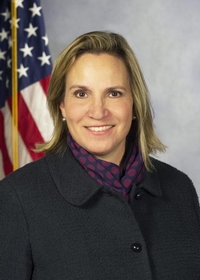
Rep. Christina Sappey
Sponsored bills
Maddy summaryThis bill updates Pennsylvania laws to clarify and streamline the process for neighboring municipalities to merge or consolidate into a single entity. It establishes specific definitions for agreements between city councils and allows residents to propose mergers through a petition process if the councils do not agree. Key provisions include creating a required transitional planning committee with representatives from each involved city to manage the merger, standardizing how local laws are enforced, and setting clear deadlines and procedures for court review. The legislation also repeals older, conflicting rules regarding merger agreements and ensures that any new combined city can qualify for state grants.
Maddy summaryThis bill proposes to update Pennsylvania's vehicle laws by establishing a maximum speed limit of 35 miles per hour on dirt and gravel roads. It applies to all drivers operating vehicles on these unpaved road surfaces, regardless of the specific location. The change clarifies that these limits are maximum speeds, meaning drivers must not exceed them unless a special hazard requires an even slower speed for safety. The legislation would become effective 60 days after passage.
Maddy summaryThis bill is a non-binding resolution that officially designates June 2, 2026, as "Cancer Action Day" in Pennsylvania to raise awareness about the state's high cancer rates. It highlights statistics on cancer diagnoses and deaths in the Commonwealth while noting disparities in access to care for various communities. The resolution urges lawmakers to support future legislation aimed at improving cancer prevention, detection, and treatment services. As a commemorative measure, the bill does not create new laws or allocate funding but serves to honor those affected by cancer and advocate for improved health outcomes.
Maddy summaryThis Pennsylvania House resolution designates April 14, 2026, as "Animal Control Officer and Animal Cruelty Officer Day" and recognizes April 12-18, 2026, as "National Animal Control Appreciation Week" within the state. It formally acknowledges the work of animal control and cruelty officers who investigate animal abuse, protect animals from harm, and handle stray or abandoned animals. The resolution has no legal effect or policy changes - it is solely a symbolic gesture of recognition with no funding or new requirements.
Maddy summaryThis bill prohibits airports and aviation businesses in Pennsylvania from using Automatic Dependent Surveillance Broadcast (ADS-B) data to charge fees to aircraft owners or operators. ADS-B is a technology that automatically shares an aircraft's location, speed, and other flight details with ground stations and other planes. The law makes it illegal for these entities to collect money based on this surveillance information and gives the state Attorney General the power to enforce the rule. The ban applies to any fees calculated or generated from this data within the state's borders.
Maddy summaryThis bill updates Pennsylvania's tax incentives for computer data centers by adding new requirements for owners and operators seeking tax refunds or exemptions. To qualify, facilities must submit detailed applications including investment projections and signed affirmations from authorized executives. Additionally, the legislation mandates that certified data centers obtain an environmental certification, such as LEED Silver or Energy Star, within two years of receiving their initial certification.
Maddy summaryThis bill creates a new tax credit for individuals employed as direct support professionals who assist people with developmental or intellectual disabilities. To qualify, workers must have an adjusted gross income of less than $100,000 and can claim a credit of up to $1,000 against their state taxes, with any unused portion refunded as cash. The program is limited to a total of $2 million per fiscal year and will be available from 2026 through 2030.
Maddy summaryThis Pennsylvania bill creates a limited tax credit program for manufacturers of malt or brewed beverages who make specific capital investments in their production facilities. Under the new rules, eligible companies can receive a tax credit for up to $200,000 in qualifying equipment purchases made during designated time periods, with the credit potentially usable over five years. The legislation also allows these tax credits to be sold to other taxpayers, who can then apply the credit against up to 50% of their own tax liability for that year. The Department of Revenue will oversee the program, including verifying taxpayer compliance before approving credit sales and setting guidelines for the process.
Maddy summaryHB 2506 prevents Pennsylvania counties, municipalities, and townships from passing local laws that restrict the ownership, possession, transfer, or transportation of firearms and ammunition, as long as those items are not already banned by state or federal law. The bill also stops local governments from suing gun manufacturers or dealers for damages related to how firearms are designed, manufactured, or sold to the public. Additionally, it removes the specific authority for municipalities to regulate firearms entirely, ensuring that gun policy remains a state-level responsibility rather than a local one.