

Maddy summaryThis Pennsylvania bill prohibits the intentional addition of perfluoroalkyl and polyfluoroalkyl substances, commonly known as PFAS, to a wide range of consumer products including cookware, cosmetics, food packaging, and artificial turf. While the law generally bans these chemicals, it allows for their use in specific items if the Department of Environmental Protection determines that no safer alternative exists and the chemical is critical for the product's function. The Department of Environmental Protection is tasked with enforcing these restrictions, managing a public database of PFAS information, and imposing penalties for violations.
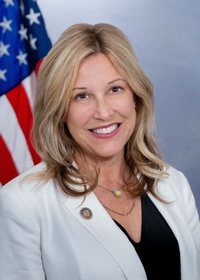
Rep. Melissa Shusterman
Sponsored bills
Maddy summaryHB 2353 establishes civil liability for entities that use artificial intelligence or other automated systems to create deceptive campaign advertisements featuring current or former candidates. The bill defines "covered persons" as firms, political committees, foreign governments, and individuals acting on their behalf, while also clarifying that generative AI and synthetic content like deepfakes fall under these regulations. To avoid liability, covered persons must provide clear and conspicuous disclosures stating that an advertisement contains manipulated or generated content, with specific formatting requirements for text, video, and audio formats. If a covered person fails to provide such a disclosure and is found liable, the law requires the immediate removal of the advertisement and imposes financial penalties based on the jurisdiction where the candidate filed with election officials.
Maddy summaryHB 2500 legalizes the adult use of cannabis in Pennsylvania by establishing a regulatory framework for its possession, sale, and consumption. The bill designates the Department of Agriculture as the primary agency responsible for overseeing the industry, including licensing businesses and enforcing rules on advertising, packaging, and laboratory testing. It creates two new funds to support the industry and promote social equity, while also imposing specific sales and excise taxes on cannabis products. Additionally, the legislation consolidates existing medical cannabis provisions and transfers certain regulatory powers from the Department of Health to the Department of Agriculture.
Maddy summaryThis bill creates the Maternal Care Access Program within the Pennsylvania Department of Health to improve maternal health outcomes by directing resources to underserved areas. The legislation defines specific terms like "maternity care desert" and "at-risk" zones based on the availability of obstetric care, birth centers, and medical providers. It authorizes the department to distribute funds to birth centers, obstetrician-gynecologists, certified nurse midwives, and hospitals located in designated zones that lack adequate care options. Additionally, the bill establishes criteria for identifying distressed hospitals and outlines various health and social indicators used to assess maternal vulnerability.
Maddy summaryThis Pennsylvania bill authorizes the Department of Corrections to issue electronic control gloves to corrections officers, with mandatory distribution required for officers working in units housing inmates who have received disciplinary sanctions and are segregated from the general population. The legislation mandates that the department create public written policies for the use, training, maintenance, and storage of these devices and requires all officers to complete an approved training course before receiving them. Additionally, the bill defines electronic control gloves as gloves with electrodes that emit less than 500 volts to temporarily immobilize or restrain individuals and requires their use to comply with existing state guidelines on law enforcement use of force.
Maddy summaryThis bill amends Pennsylvania's Health Care Facilities Act to change licensing requirements specifically for abortion facilities. It removes the mandate that these facilities must have transfer agreements with nearby hospitals and eliminates the requirement for physicians and medical staff working there to hold admitting privileges at a hospital. Additionally, the legislation repeals an existing state regulation related to these licensing standards. These changes directly impact how abortion clinics are regulated and the operational requirements for their medical staff.
Maddy summaryThis bill amends Pennsylvania's Human Services Code to update definitions related to child care and establish a new copayment system for families receiving subsidized child care. It clarifies terms such as "child care," "child-care center," and "family child-care home" to specify who is covered and under what conditions. Under the new rules, parents or caretakers must pay a portion of the child care cost based on their family's annual income, with a cap of fifteen percent. The legislation also provides special provisions for families where the parent or caretaker works as a child-care employee or a direct support professional, ensuring they remain eligible for subsidies regardless of income level while still requiring a capped copayment.
Maddy summaryThis bill establishes the Health Insurance Core Benefits Coverage Act to require all individual and group health insurance policies in Pennsylvania to cover a specific set of essential services. These mandatory benefits include emergency care, hospitalization, prescription drugs, mental health treatment, and preventive services, ensuring that plans are at least as comprehensive as those first offered in the state in 2020. The Insurance Department is authorized to adjust these requirements through regulations by considering factors such as population health needs, potential discrimination, and medical advancements. Insurers that fail to comply with these coverage standards face penalties, while the law explicitly excludes limited policies like dental-only or accident-only plans from these mandates.
Maddy summaryThis bill modifies Pennsylvania fishing and hunting laws to provide financial relief for disabled veterans and former prisoners of war. It establishes that veterans with a 100% service-connected disability rating will receive free fishing, hunting, and furtaking licenses, while those with ratings between 60% and 99% will pay a reduced fee of one dollar. To qualify, applicants must be certified by the U.S. Department of Veterans Affairs and submit proof that their disability was incurred during military service. The changes apply to resident licenses and will take effect 60 days after the bill is enacted.
Maddy summaryThis resolution directs the Joint State Government Commission to conduct a study on improving Home and Community-Based Services waivers for individuals with disabilities in Pennsylvania. The investigation will examine how these programs, managed by the Office of Long-Term Living and the Office of Developmental Programs, can better meet medical needs, reduce barriers to community living, and enhance employment opportunities. Specifically, the study will compare service menus and pay rates between the two offices, analyze administrative processes, and review how other states have addressed similar challenges. Ultimately, the commission is tasked with issuing a report containing recommendations to improve eligibility, access to care, and support services for this population.