

Maddy summaryHB 1468 amends Pennsylvania's Liquor Code to adjust sales practices for Pennsylvania Liquor Stores, primarily affecting businesses and entities that purchase alcoholic beverages at wholesale prices. The bill increases the wholesale discount for licensees, such as hotels, restaurants, and clubs, from 10% to 15% off the retail price. It also expands wholesale offerings to include ready-to-drink cocktails for distributors and importing distributors holding the necessary permits. Additionally, the bill mandates the establishment of a program to provide further discounts to wholesale licensees who pick up their purchases at designated locations.
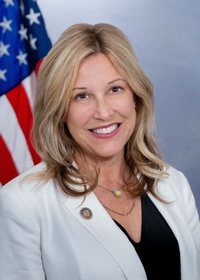
Rep. Melissa Shusterman
Sponsored bills
Maddy summaryHouse Bill 1469 amends the Health Care Facilities Act to establish requirements for hospital price transparency. It mandates that hospitals publish a comprehensive list of their standard charges for all items and services on their public websites in a readable digital format. This list must include gross charges, discounted cash prices, and various negotiated rates with third-party payors. The bill also provides for a prohibition on debt collection action against patients by hospitals that do not comply with these requirements, aiming to give patients clearer access to pricing information.
Maddy summaryHB 1463, known as the Smoke Alarm Responsibility Act, regulates smoke alarms in rented dwelling units across Pennsylvania. It requires owners to install specific types of smoke alarms, such as those with a 10-year battery or electrical power, and ensure they are operational for new tenants. Tenants are responsible for maintaining and annually testing these smoke alarms, and must notify owners in writing of any deficiencies. Owners must then address reported issues within 96 hours. Violations of this act may result in a fine of up to $50.
Maddy summaryHB 526 protects mothers' right to breastfeed their children in any public or private location where they are otherwise permitted to be, without being considered indecent exposure, a nuisance, or obscenity. It defines "breastfeeding" to include both direct feeding and expressing milk for bottle-feeding, and creates a private right to sue for violations, allowing recovery of $1,000 per incident plus attorney fees. The law applies broadly across Pennsylvania, ensuring mothers can feed their children without legal interference while maintaining existing protections from the repealed 2007 Freedom to Breastfeed Act.
Maddy summaryHB 1453 establishes a program to create "food desert opportunity zones" in low-income areas with limited access to supermarkets or large grocery stores. Political subdivisions can apply to the Department of Community and Economic Development (DCED) to designate up to 12 such zones statewide. Qualified healthy food retail outlets operating within these designated zones may receive food desert opportunity tax credits for up to five years, starting January 1, 2026. The bill outlines the criteria for zone designation and for businesses to qualify for these tax credits.
Maddy summaryHB 1452 amends Pennsylvania's Military Affairs statutes to update provisions for the veterans registry and the PA VETConnect Program. The bill requires the veterans registry forms to include options for requesting information on support resources for military sexual trauma. Additionally, it mandates that the Department of Military and Veterans Affairs coordinate with organizations that provide military sexual trauma support resources as part of the PA VETConnect Program. These changes are intended to improve access to specific support services for veterans.
Maddy summaryHB 280 amends Pennsylvania's Election Code to clarify primary voting rules for unaffiliated voters. It defines "unenrolled electors" as voters who registered without party affiliation (selecting "none," "no affiliation," or "other" with a clear independent preference). The bill allows these voters to participate in primary elections for candidate nominations by following specific procedures, while maintaining that only enrolled party members can vote in party primaries or hold party office. It also repeals provisions about voters accidentally casting ballots for the wrong party at primary elections.
Maddy summaryHB 1443 amends Pennsylvania’s criminal code to explicitly include "3-D printed firearms" in key definitions across multiple sections. It defines "3-D printed firearm" as a digital file intended to create a gun via 3-D printer, and clarifies that "firearm" encompasses any weapon - whether traditional or 3-D printed - that expels projectiles using explosives. The bill updates prohibitions on possessing, selling, or transferring firearms (including 3-D printed versions) and requires licensing for dealers and registration of firearms. This affects all Pennsylvanians who manufacture, sell, or possess firearms, including those using 3-D printing technology.
Maddy summaryHB 1200 establishes a comprehensive framework for the regulation and treatment of cannabis in Pennsylvania. It creates state-run Pennsylvania Cannabis Stores for sales and a licensing system for private cannabis businesses, including cultivators, processors, and transporters. The bill also provides for the expungement of certain past cannabis convictions and includes provisions for social and economic equity initiatives. It establishes a cannabis excise tax, dedicating revenue to funds for community reinvestment and substance use disorder prevention, and assigns oversight duties to state agencies like the Liquor Control Board.
Maddy summaryHB 813 amends Pennsylvania's Tax Reform Code of 1971 to exempt certain student loan discharges and employer educational assistance from personal income tax. Specifically, it excludes from taxation: (1) the discharge of eligible student loans under qualified federal forgiveness programs, and (2) employer-paid educational assistance that meets federal exclusion rules under Section 127 of the Internal Revenue Code. These exemptions apply to taxable years beginning after December 31, 2025. The bill directly affects Pennsylvania taxpayers who qualify for these specific student loan forgiveness or employer education benefits under federal programs.