

Maddy summaryHB 1576 updates Pennsylvania's Human Services Code to change how counties receive payments for child welfare services. It requires counties to submit detailed reports on their service delivery for state review before payments are finalized. This directly affects counties that provide child welfare programs by adding reporting requirements to the payment process. The bill modifies existing payment rules to improve oversight and ensure funds align with actual service provision.
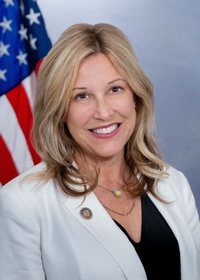
Rep. Melissa Shusterman
Sponsored bills
Maddy summaryHB 1573 amends Pennsylvania's Human Services Code to improve access to services for children and youth. It requires human services agencies to collect and report more detailed statistics on service usage and outcomes, and provides funding for research to evaluate program effectiveness. These changes aim to make service delivery more responsive to community needs by strengthening data collection and research support within existing youth-focused programs. The bill directly affects children, youth, and agencies administering human services programs under the code.
Maddy summaryHB 1747 amends Pennsylvania's firearm laws by updating definitions and regulations around the sale or transfer of firearms under Title 18. It directly affects firearm sellers, buyers, and law enforcement by potentially clarifying legal standards for transactions. The bill's title indicates it focuses on refining existing provisions without specifying new restrictions or requirements in the provided context. As it was recently referred to the Judiciary Committee (July 21, 2025), no specific policy changes or voting details are available in the given information. This summary is based solely on the bill's title and referral status.
Maddy summaryHB 1748 amends Pennsylvania's Public School Code to establish a Pilot Program supporting homeless youth pursuing higher education. The bill directly affects homeless youth in Pennsylvania who are seeking or enrolled in post-secondary education programs. Key provisions include providing state funding for supportive services like housing assistance, counseling, and academic support through designated educational institutions. The program aims to address barriers to higher education access for this vulnerable population by creating a structured, state-supported pathway. The bill was recently referred to the Education committee for further review.
Maddy summaryHB 1058 amends Pennsylvania's State Lottery Law to adjust the minimum percentage of lottery revenues dedicated to senior programs. It reduces the required allocation from 20% (for fiscal years 2019-2025) to 10% for fiscal years beginning after June 30, 2025. This directly affects seniors aged 65+ who receive property tax relief and reduced-fare transit services funded by lottery revenues. The change modifies Section 303(a)(11)(iv) of the law, specifying the new funding percentage starting in 2026. The bill became law on July 21, 2025, as Act No. 37 of 2025.
Maddy summaryHB 1743 requires Pennsylvania public and charter schools to implement comprehensive school counseling plans developed by certified counselors. The bill mandates that school counselors spend at least 80% of their time on direct student services (like classroom instruction, individual counseling, and career planning) and indirect services (such as consultations with parents or staff). Each school entity must create an annual, K-12-aligned plan addressing academic, career, and social-emotional needs, including special populations like students with individualized education plans. These plans must be reviewed yearly and integrated with existing school strategic planning. The law applies directly to all Pennsylvania school districts, charter schools, and intermediate units.
Maddy summaryHB 1724 creates a new framework for Pennsylvania government agencies to partner with private companies on sustainable facility projects. It establishes "sustainable capital improvement project contracts" for upgrades like energy-efficient buildings, water systems, and renewable energy installations, directly affecting state agencies, counties, and municipalities. The bill requires competitive sealed proposals for these contracts, mandates public notice of awards, and defines key terms like "qualified provider" (businesses capable of improving energy efficiency) and "key performance indicators" to measure project success. Projects covered include repairs, installations, and maintenance focused on reducing energy use and enhancing resilience. The law aims to streamline procurement while ensuring transparency and measurable outcomes for public infrastructure improvements.
Maddy summaryHB 1575 creates a new tax credit program to revitalize vacant industrial properties in Pennsylvania. It directly affects building owners of pre-1973 factories or mills that have been at least 75% vacant for 24 months and are designated by their municipality for rehabilitation. The bill establishes a credit equal to 20% of qualified renovation costs (like structural repairs or equipment upgrades) that meet specific value thresholds, applied against certain business taxes. To qualify, properties must be rehabilitated for mixed commercial/residential use, and the program is administered by the Department of Community and Economic Development.
Maddy summaryHB 1412 amends Pennsylvania's child custody laws to clarify and streamline the process for modifying existing custody orders. It directly affects parents, guardians, or custodians seeking changes to court-ordered custody arrangements. The bill establishes specific criteria and procedures for when and how custody modifications can be requested, including requirements for demonstrating a significant change in circumstances. This creates a more structured framework for courts to evaluate modification requests while maintaining focus on the child's best interests.
Maddy summaryHB 129 updates specific definitions within Pennsylvania's Unfair Trade Practices and Consumer Protection Law (enacted in 1968). It clarifies terms used in the law to improve consistency in how consumer protection rules are applied. This change directly affects businesses operating under the law and consumers seeking to understand their rights under the statute. The bill focuses solely on refining terminology, not altering substantive consumer protections or enforcement mechanisms.