

Maddy summaryHB 1903 amends Pennsylvania's Public School Code to update the Safe2Say Program, a school safety reporting system, by clarifying definitions and enhancing program requirements. It also adds new requirements for colleges and universities, mandating they establish written policies addressing sexual harassment and sexual violence, along with implementing an online reporting system for incidents. The bill directly affects public schools and postsecondary institutions by changing how they handle safety reporting and campus conduct policies. Key provisions include standardizing definitions for consistency and requiring institutions to provide accessible online reporting tools for students. These changes aim to improve clarity and accessibility in addressing safety and harassment concerns across educational settings.
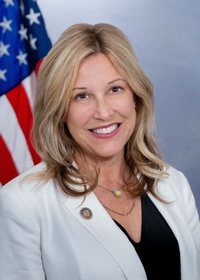
Rep. Melissa Shusterman
Sponsored bills
Maddy summaryHB 1904 would amend Pennsylvania's sentencing laws to specifically address hate-based intimidation, which occurs when someone intimidates another person due to their race, religion, sexual orientation, or other personal characteristics. The bill requires courts to consider community impact statements during sentencing, which are written accounts from community members about how the crime affected the broader community. This change would directly affect judges, courts handling such cases, and the communities impacted by bias-motivated intimidation offenses.
Maddy summaryHB 1880 amends Pennsylvania's criminal code to clarify the offense of impersonating a public servant and to create a specific exception for federal immigration officials. The bill states that federal immigration officials do not commit a crime under Pennsylvania law when concealing their identity while performing official immigration enforcement duties. This provision prevents state laws on impersonation and disorderly conduct from being applied to federal officials during such activities. The bill also adds further detail to the impersonation statute to make it clearer for law enforcement.
Maddy summaryHB 1870 amends Pennsylvania's vehicle fee statutes to expand exemptions for certain persons, entities, and vehicles from registration or licensing fees. The bill specifically addresses fee exemptions under Title 75 of the Pennsylvania Consolidated Statutes but does not detail the exact exemptions, affected groups, or specific fee types in the provided context. As a procedural bill focused on fee exemption rules, it does not outline new implementation mechanisms or direct financial impacts. The bill was recently referred to the Transportation committee on September 22, 2025, but lacks sufficient detail in the given context to describe concrete policy changes or who would be affected.
Maddy summaryThe context provided does not include sufficient details about HB 1864's specific provisions, mechanisms, or affected parties to create a factual summary. The bill's title mentions amending the Public School Code regarding "enrollee wellness checks" in charter schools, but no description of what these checks entail, who conducts them, or how they would change current practices is given. Without additional information on the policy changes, the bill cannot be summarized as required. A proper summary would need details about the wellness check requirements, implementation, or scope, which are not present in the provided context.
Maddy summaryThis resolution directs Pennsylvania's Legislative Budget and Finance Committee to study whether pooling all school district property tax revenue at the regional education agency level and distributing funds based on student enrollment would affect school district finances. The study would assess potential impacts on funding stability and resource allocation for school districts across the state.
Maddy summaryHB 1145 creates a new Public Transit Security Grant Program in Pennsylvania, providing funding to public transit agencies for security improvements like cameras, patrols, or emergency response systems. The bill establishes a dedicated fund to finance these grants and requires the Department of Transportation (DOT) to manage the program, including setting eligibility rules and distributing funds. It directly affects public transit operators across the state by offering financial support for safety upgrades. The legislation amends transportation laws to formalize this funding mechanism, ensuring transit security needs are addressed through state resources.
Maddy summaryHB 1416 would create a new criminal offense for interfering with the operation or movement of public transit vehicles, such as buses or trains. It directly affects individuals who physically block doors, assault drivers or passengers, or otherwise disrupt transit service. The bill establishes specific penalties for these actions under Pennsylvania's vehicle laws, treating interference as a criminal violation. This change aims to clarify legal consequences for behaviors that endanger transit operations and passenger safety. The bill is currently stalled, having been "laid on the table" in September 2025.
Maddy summaryHB 1858 amends Pennsylvania's Emergency and Law Enforcement Personnel Death Benefits Act to extend death benefits to surviving spouses, children, or parents of corrections officers. Currently, the law provides benefits to families of certain emergency and law enforcement personnel, but corrections officers were excluded from coverage. This bill explicitly adds corrections officers to the eligible group, ensuring their families receive financial support if a corrections officer dies while on duty. The bill also includes minor editorial changes to update the law's language.
Maddy summaryHB 1848 requires casualty insurance policies to cover physical therapy, occupational therapy, and speech therapy for injury-related care. This directly affects insured individuals, particularly families with children needing these therapies for accidents or injuries. The bill also establishes a state-administered Children's Therapies Medical Assistance Savings Account to help families pay for therapy costs not covered by insurance.