

Maddy summaryThis Pennsylvania bill updates the Public School Code to strictly limit the use of artificial intelligence in charter and cyber charter schools. It defines artificial intelligence as machine-based systems that make predictions or decisions and prohibits these schools from using AI to replace human teachers for direct instruction. The law requires local school boards and the state Department of Education to reject applications from schools relying on such models and allows for the nonrenewal or immediate termination of charters that adopt them. Additionally, the bill clarifies the powers and duties of the State Board of Education regarding charter school oversight.
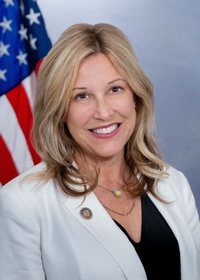
Rep. Melissa Shusterman
Sponsored bills
Maddy summaryThis House Resolution designates April 25, 2026, as "Diabetic Eye Screening Day" in Pennsylvania to raise awareness about diabetic retinopathy, a leading cause of blindness among people with diabetes. The resolution does not create new laws or funding but serves as a symbolic recognition of free and low-cost eye screening events organized by various medical institutions across the state. It highlights the importance of early detection for diabetic eye conditions, which often show no symptoms until vision damage becomes irreversible. The measure is sponsored by multiple state representatives and focuses on promoting public health awareness rather than implementing policy changes.
Maddy summaryThis bill prohibits law enforcement officers from detaining or arresting individuals for civil immigration violations on the property of houses of worship. The only exception allows for arrests if the officer is acting in an official capacity and holds a valid judicial warrant. Additionally, the legislation bars state and local agencies from using taxpayer funds to conduct immigration enforcement and imposes a $10,000 civil penalty for any violations of these rules.
Maddy summaryThis bill allows individuals in Pennsylvania to request the expungement of their criminal history records once they turn 65 years old, provided they have not been arrested or prosecuted for ten years after being released from confinement or supervision. The change lowers the previous age requirement of 70, making it easier for older adults to clear their records under specific conditions. If passed, the law would take effect 60 days after signing, directly affecting the eligibility criteria for expungement in the state.
Maddy summaryThis bill designates the week of April 11 through 17, 2026, as "Black Maternal Health Week" in Pennsylvania to raise awareness about maternal health disparities affecting Black women. The resolution highlights statistics showing that Black women in the state face significantly higher pregnancy-related death rates compared to other groups, with many cases deemed preventable. It does not create new funding or policy requirements but serves as a symbolic gesture to focus public and legislative attention on the issue. The measure is sponsored by multiple representatives and referred to the Committee on Children and Youth for consideration.
Maddy summaryHB 1247 prohibits law enforcement officers from using deception - such as false promises of leniency or misleading information - during custodial interrogations of individuals with intellectual disabilities or autism. Any confession obtained through such deception would be presumed inadmissible in criminal or juvenile court cases for offenses that would be misdemeanors or felonies if committed by an adult. The state (Commonwealth) must prove the confession was voluntary by a preponderance of evidence to overcome this presumption, shifting the burden of proof from the defense to the prosecution. This applies to all custodial interrogations conducted at police stations or other detention facilities.
Maddy summaryHR 327 is a resolution directing the Joint State Government Commission to study how to reduce food waste in the state using multiple strategies, considering existing infrastructure. It would evaluate practical approaches for decreasing food waste across the Commonwealth, focusing on what is currently feasible. The resolution itself does not change laws or funding but would produce a report to inform future policy decisions. This study would be conducted by the Commission, with findings potentially guiding future legislative action on food waste reduction.
Maddy summaryHB 1800 would repeal the current legal provisions in Pennsylvania that recognize marriage between people of the same sex by removing specific sections from the domestic relations code. The bill directly affects same-sex couples currently married in Pennsylvania, as it would eliminate the statutory basis for their marriages. Key provisions include amending definitions in the preliminary sections of the code and striking down existing language that addresses same-sex marriage. The bill is currently referred to the Judiciary committee and has not been enacted.
Maddy summaryThis bill would create a state-funded paid family and medical leave program for eligible workers needing time off for health issues, childbirth, or family care. It establishes a dedicated state fund to cover leave costs, creates an advisory board to guide implementation, and assigns oversight to the Department of Labor. The program would directly affect employees in the state who qualify for these leave types, requiring employers to provide the benefits. The bill also specifies penalties for businesses failing to comply with the new requirements.
Maddy summaryThis bill amends Pennsylvania's Election Code to change the deadline for receiving absentee and mail-in ballots from election day to the seventh day following the election. It allows voters who declare under penalty of perjury that their ballot was timely submitted to have their ballots counted even if they lack a postmark or have an unreadable one. The changes apply to both traditional absentee voters and new mail-in voters, ensuring ballots received by the extended deadline are processed and counted. The legislation would take effect 60 days after passage.