

Maddy summaryThis Pennsylvania House Resolution designates September 2024 as "Military Suicide Prevention and Awareness Month" to highlight the high suicide rates among veterans in the state. The measure aims to raise public consciousness about the issue by officially setting aside the month for recognition and support rather than implementing new laws or funding. It expresses support for ongoing federal and state efforts to assist veterans and their families while acknowledging the specific challenges they face.
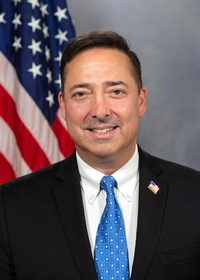
Rep. Chris Pielli
Sponsored bills
Maddy summaryThis bill directs Pennsylvania's Human Services department to apply for a federal waiver that would allow SNAP and WIC benefit recipients to use their funds to buy diapers or menstrual hygiene products. The legislation authorizes the department to adopt necessary rules once the USDA approves the waiver, ensuring the state can participate in this potential program change. It does not immediately change how benefits are used but establishes the legal framework to implement such a waiver if federal approval is granted.
Maddy summaryThis resolution directs the Joint State Government Commission to study the financial impact on Pennsylvania taxpayers of state police services provided to municipalities without their own local departments. The bill requires the commission to form an advisory committee including representatives from revenue, transportation, and law enforcement sectors to analyze costs and tax burdens associated with these services. Key findings must include the per capita cost of coverage, the effect on local millage rates, and an estimate of fees needed to fund these services if the state mandated a direct charge to municipalities. The commission is tasked with submitting a report with these recommendations to the House of Representatives within one year of the resolution's adoption.
Maddy summaryThis bill is a non-binding resolution that formally recognizes June 2024 as "LGBTQ+ Pride Month" within the Commonwealth of Pennsylvania. It directly affects state government agencies and officers by encouraging them to acknowledge the historical significance of LGBTQ+ contributions and the ongoing struggle for equality. The text cites specific local milestones, such as the 1965 sit-in at Dewey's lunch counter in Philadelphia and the establishment of early support organizations, to highlight the state's role in LGBTQ+ history. Ultimately, the measure serves as a symbolic gesture of solidarity and does not create new laws, funding, or enforceable policies.
Maddy summaryThis Pennsylvania House resolution directs the Joint State Government Commission to create an advisory committee and conduct a comprehensive study on artificial intelligence. The proposed committee includes representatives from various state agencies, labor unions, academic institutions, and technical experts to examine AI's benefits, risks, and potential impacts on the state. The study will assess how AI is currently used, evaluate its effects on employment and disinformation, and propose regulations for its responsible development within Pennsylvania government and society. Ultimately, the commission must submit a report with recommendations on whether to establish a permanent oversight body and how to allocate rights between workers and employers regarding AI implementation.
Maddy summaryThis bill updates Pennsylvania laws to improve how electric utilities manage energy efficiency programs and streamline the approval process for their plans. It requires the state commission to decide on utility plans within 120 days and allows companies 60 days to revise rejected plans, while also protecting the inclusion of mechanical insulation unless proven cost-ineffective. The legislation clarifies definitions for key terms like "energy efficiency measures," which now explicitly include solar panels, efficient windows, and various heating and cooling technologies, and establishes standards for quality assurance and cost-benefit testing.
Maddy summaryThis bill establishes rules for how Pennsylvania can use money from the Veterans' Trust Fund. It prohibits the state from using these funds to pay salaries for administrative staff working at veterans' or charitable organizations, though medical care providers are exempt from this restriction. Additionally, the law limits grants or assistance to any single organization to a maximum of $250,000 over a three-year period. These changes apply immediately to the State Veterans' Commission and the Deputy Adjutant General for Veterans' Affairs.
Maddy summaryThis bill creates the Pennsylvania Small Business Innovation Grant and Small Business Technology Transfer Matching Funds Program to offer financial support to local small businesses participating in federal research initiatives. Administered by the Department of Community and Economic Development, the program provides matching grants of up to $50,000 to businesses that have received Phase I awards from the Small Business Administration for federal research projects. To qualify, companies must be headquartered in Pennsylvania, commit to keeping at least 51% of their research work within the state, and submit specific reports demonstrating their ability to advance the project to Phase II. The legislation also sets limits on funding, allowing each business to receive only one grant per year and a maximum of five total awards, with funds released in installments tied to project milestones.
Maddy summaryThis bill requires Pennsylvania government agencies to prioritize using insecticide-free native plants over non-native options when landscaping state facilities. It mandates that these agencies consider the environmental benefits of such plants, including habitat creation for pollinators and reduced water usage, during construction and maintenance projects. Additionally, the law directs the Department of Conservation and Natural Resources to create specific pollinator meadows on unused turfgrass areas at Commonwealth facilities. The legislation defines specific terms like "pollinator meadow" and lists various state departments and entities that must follow these new planting guidelines.
Maddy summaryThis bill expands Pennsylvania's existing Wild Resource Conservation Act to specifically include wild native terrestrial invertebrates, such as land-dwelling insects and other non-aquatic animals without backbones, under state protection. It directs the Department of Conservation and Natural Resources to investigate these species' populations and habitats, classify them as endangered, threatened, or vulnerable, and establish a formal management system. Once classified, the department will create regulations within two years that limit activities like taking, selling, or transporting these invertebrates to ensure their survival. The law also officially defines these creatures as "wild resources" and sets the bill into effect 60 days after it is signed.