

Maddy summaryHB 942 amends Pennsylvania's Game Commission law to change how full-time enforcement officers are paid. It requires that all full-time officers whose duty is to enforce game laws be classified for compensation "in the same manner as members of the Pennsylvania State Police." This change directly affects Game Commission enforcement officers by aligning their pay structure with State Police standards. The bill applies to compensation earned on or after its effective date, 60 days after enactment. (1-2 sentences as it's a procedural pay classification change.)
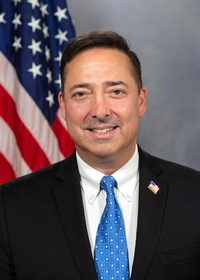
Rep. Chris Pielli
Sponsored bills
Maddy summaryHB 936 modifies Pennsylvania's child care subsidy program by reducing copayments for parents who work in the child care field. It requires that families where a parent or caretaker is employed as a child-care worker or direct support professional (in either family child-care homes or licensed centers) pay no more than 15% of their annual income for subsidized care, regardless of their income level. This change applies to all qualifying child care settings defined in the bill, including family child-care homes (serving 4-6 unrelated children) and centers (serving 7+ children). The policy aims to lower financial barriers for child care workers seeking subsidized care for their own children.
Maddy summaryHB 924 amends Pennsylvania's Public Utility Code to establish internet neutrality protections for residents. It prohibits internet service providers (ISPs) from blocking lawful content, impairing traffic based on content, engaging in paid prioritization, or using deceptive marketing practices. The bill defines key terms like "broadband Internet access service" and requires ISPs to clearly disclose service details to customers. The Pennsylvania Public Utility Commission will enforce these rules, and violations would be considered unfair trade practices under existing consumer protection law. This applies to all ISPs operating broadband services in Pennsylvania, directly affecting how they manage internet traffic for consumers.
Maddy summaryHB 111 prohibits life insurance companies in Pennsylvania from denying coverage, limiting benefits, or charging higher rates to applicants or policyholders solely because they have been prescribed an opioid overdose reversal agent (like naloxone). The bill directly affects individuals who use these medications, including those with opioid use disorder or at risk of overdose. It defines "adverse action" to include these discriminatory practices and makes such actions violations of existing laws against unfair insurance practices. The law takes effect 60 days after enactment.
Maddy summaryHB 33 amends Pennsylvania's Medical Marijuana Act to clarify definitions and strengthen oversight of testing labs and practitioners. It defines key terms like "independent laboratory" (requiring no ties to marijuana businesses) and "approved laboratory" (testing medical marijuana samples under department approval). The bill gives the Department of Health new authority to impose conditions on medical practitioners, such as limiting certifications or requiring supervision, to protect patient safety. These changes directly affect medical marijuana patients, healthcare providers who certify them, and labs testing products for quality and safety. The updates aim to improve accountability in the program through clearer rules for lab accreditation and practitioner oversight.
Maddy summaryThis bill updates Pennsylvania's driver's license requirements by allowing the inclusion of personal medical data and other emergency-use information on licenses. It also permits the use of substitute addresses for participants in the state's Address Confidentiality Program, which protects victims of domestic and sexual violence. The legislation maintains that Social Security numbers will be required on applications but will not appear on the actual license, while keeping other standard identification details like name, date of birth, and photograph. The changes would take effect 60 days after the bill is enacted.
Maddy summaryThis bill amends Pennsylvania's Tax Reform Code to exclude sales and use taxes on firefighting equipment purchased by paid or volunteer firefighters using their own money. To qualify for this tax exemption, firefighters must present a department-issued identification card at the time of purchase, which the Department of Revenue will issue to individuals holding approved certifications. The legislation defines firefighting equipment as items designed to extinguish, control, or stop fires or protect users and property from fire hazards. This change directly affects individual firefighters and retailers selling firefighting gear, while establishing new administrative procedures for identification card issuance.
Maddy summaryHB 887 prevents Pennsylvania counties and municipalities from regulating the ownership, possession, transfer, or transportation of firearms, ammunition, or components - except when on property they own, operate, or maintain (like buildings, parks, or vehicles). It repeals a current law (Title 53 § 2962(g)) that banned local governments from creating firearm regulations. The bill directly affects all local governments by limiting their authority to enact firearm-related ordinances. This change takes effect 60 days after enactment.
Maddy summaryHB 899 requires Pennsylvania employers to provide workers with paid sick leave for their own health needs or to care for family members. Employees earn one hour of paid sick time for every 30 hours worked, with a minimum annual accrual of 40 hours. The law prohibits employers from retaliating against workers who use this leave and mandates clear posting of rights. It covers most private-sector employees (excluding federal workers) and applies to all employers with 15+ employees in Pennsylvania, effective upon enactment.
Maddy summaryHB 894 establishes the Veterans Entering the Sustainability Sector Program (VETSS) to help veterans enter jobs in renewable energy and environmental sectors. The bill creates a Veterans Entering the Sustainability Sector Fund to provide grants to eligible employers - businesses focused on renewable energy (like solar, wind, or bioenergy) that hire veterans who completed approved apprenticeship training in fields such as electrician work, solar installation, or environmental maintenance. The Department of Community and Economic Development will administer the program, overseeing training development and grant applications. This directly affects veterans seeking sustainability-sector careers and employers in renewable energy who hire them, with the goal of addressing environmental concerns like climate change through workforce development.