

Maddy summaryHB 1402 reduces the maximum fee for reviewing teacher certification applications under Pennsylvania's Public School Code to $50. It also creates a special exemption for military service members, veterans, and their spouses, requiring them to pay no more than $10 for certification fees and $25 for professional discipline fees. These changes directly affect educators seeking or maintaining teaching credentials in Pennsylvania public schools. The bill modifies existing sections of the 1949 Public School Code to implement these specific fee caps and exemptions.
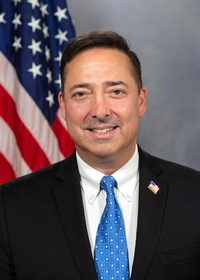
Rep. Chris Pielli
Sponsored bills
Maddy summaryHB 1511 creates the Violent Incident Clearance and Technological Investigative Methods Program within Pennsylvania's Commission on Crime and Delinquency. The bill requires the Commission to establish this program, which provides funding and guidance for law enforcement agencies to use technology like digital forensics and data analysis to solve violent crimes more effectively. It directly affects Pennsylvania law enforcement agencies handling violent incidents by mandating new reporting requirements and resource allocation for technology-driven investigations. The program aims to improve clearance rates for violent crimes through standardized, tech-enhanced investigative methods.
Maddy summaryHB 191 updates Pennsylvania's school safety requirements by replacing outdated rules about CPR and defibrillator training. It repeals old teacher certification requirements for CPR instruction and school health service rules about automatic external defibrillators (AEDs). The bill now mandates new CPR and AED training for school staff, sets specific standards for AED availability and placement in schools, and establishes an official AED program. This directly affects public schools, teachers, and school health personnel by requiring updated emergency response protocols. The bill focuses on modernizing school health safety procedures rather than changing other aspects of education.
Maddy summaryHB 704 creates a new Neurodegenerative Disease Research Program and a dedicated funding mechanism within the Department of Health to support research on conditions like Alzheimer's and Parkinson's. The bill directs the Department of Health to manage the program and administer the Neurodegenerative Disease Research Program Fund, which will provide grants for scientific studies. This legislation directly affects researchers, medical institutions, and patients seeking treatments for neurodegenerative diseases by establishing a formal structure for funding and coordinating research efforts. The bill passed the legislature in June 2025 and is now pending final action by the Governor.
Maddy summaryHB 967 amends Pennsylvania's 1968 Unfair Trade Practices and Consumer Protection Law by adding or refining specific definitions within the statute. This definitional update directly affects consumers and businesses operating under the law, as clearer definitions help determine what constitutes unfair trade practices. The bill does not introduce new prohibitions or penalties but clarifies existing legal terms to improve application of the law. As a procedural amendment focused solely on definitions, it does not create new policy requirements or alter substantive protections.
Maddy summaryHB 276 creates a permanent Employee Misclassification Working Group to coordinate state agencies addressing worker classification issues. The bill requires departments like Labor and Revenue to collaborate on identifying and resolving cases where employers wrongly classify workers as independent contractors. This working group will develop strategies to protect workers' access to benefits like unemployment insurance and workers' compensation. The law directly affects state agencies managing labor enforcement and workers' rights, aiming to improve interagency efficiency in tackling misclassification.
Maddy summaryHB 1250 amends Pennsylvania's Manufactured Home Community Rights Act to protect residents in manufactured home communities. It requires community owners to allow resident associations and group meetings, and mandates 90-day advance notice for rent increases. The bill caps annual rent hikes at 2-4% (based on regional inflation data), prohibits increases during unresolved health/safety violations, and requires clear disclosure of all fees in leases. These changes directly affect approximately 150,000 manufactured home residents and community owners across Pennsylvania, aiming to prevent exploitative rent practices and stabilize housing costs.
Maddy summaryHB 1622 would amend Pennsylvania's criminal code to allow civil lawsuits against firearm owners who fail to secure their guns properly, leading to loss or theft. This bill directly affects gun owners who do not take reasonable steps to prevent unauthorized access or theft of their firearms. The key provision creates a legal pathway for victims of gun-related harm to seek compensation from the owner if the gun was lost or stolen due to inadequate security. The bill is currently pending in the Judiciary Committee after being referred on June 17, 2025, and has not yet been voted on or passed.
Maddy summaryThis resolution designates June 16-22, 2025, as "Pollinator Week" in Pennsylvania. It does not create new laws or policies but formally recognizes the importance of pollinators like bees and butterflies. The resolution aims to raise public awareness about pollinator conservation efforts within the state. It directly affects Pennsylvania residents by highlighting this annual observance through state communications and community activities.
Maddy summaryHB 1621 amends Pennsylvania's Workers' Compensation Act to require that informational materials about workers' compensation procedures be provided in multiple languages. This directly affects non-English speaking workers and employers who need to understand claim processes, injury reporting, and benefits. The key provision mandates adding multilingual versions of standard informational documents to ensure accessibility. The bill focuses on improving communication clarity within the existing workers' compensation system without changing benefit amounts or eligibility rules.