

Maddy summaryHR 357 establishes a legislative Hunger Task Force to study hunger, food insecurity, and access to healthy food within the Commonwealth. The task force will analyze these issues and develop findings and recommendations for state policymakers. This resolution affects state-level planning and future policy decisions but does not create new laws or programs. It is a procedural step to guide potential future legislative action on food access.
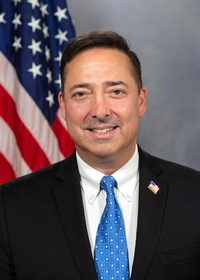
Rep. Chris Pielli
Sponsored bills
Maddy summaryThe bill title contains a factual inconsistency: Pennsylvania's criminal code (Title 18) does not govern animal welfare practices like declawing. Declawing prohibitions are typically addressed in animal welfare statutes (e.g., Title 34), not criminal offenses. The title incorrectly lists "prohibition on declawing cats" under a criminal code amendment, which would be legally inaccurate. Therefore, a meaningful summary of the bill's actual provisions cannot be provided based on this erroneous title description.
Maddy summaryHB 1993 establishes standards and oversight requirements for mental health professionals using artificial intelligence tools in therapy. It directly affects licensed therapists, clinics, and their patients by mandating safety protocols, data privacy safeguards, and regular audits for AI therapy platforms. The bill requires licensing boards to develop enforcement mechanisms, including penalties for non-compliance, and sets criteria for AI tool certification. Referred to the Professional Licensure committee, the bill aims to regulate AI integration while prioritizing patient safety and ethical practice.
Maddy summaryHB 1975 would amend Pennsylvania law to expand assault protections for emergency responders (including police, EMTs, and firefighters) beyond just law enforcement officers. The bill makes discharging a firearm at an emergency responder while they are on duty a first-degree felony (up to 40 years in prison), and intentionally exposing them to bodily fluids (blood, saliva, etc.) a third-degree felony, with a second-degree felony penalty if the fluids come from someone with a reportable disease. It directly affects all emergency responders performing their duties and would change sentencing for these specific assault offenses. The bill is pending in the Judiciary Committee as of its October 2025 introduction.
Maddy summaryHR 351 is a resolution directing the Joint State Government Commission to study current electric bicycle regulations and develop recommendations for updating the state's legal and regulatory framework. It does not change existing laws but requires a formal study to identify necessary updates for e-bike rules. The Commission's report would propose specific changes to statutes and regulations governing e-bike operation, safety, and use. This resolution directly affects future regulatory decisions by state agencies and local governments managing e-bike policies.
Maddy summaryHR 349 is a resolution urging Congress to pass a law requiring all states to permanently observe daylight saving time (DST) year-round, eliminating the need to switch clocks twice a year. It directly affects all 50 U.S. states and their residents by proposing a permanent change to the current timekeeping system. The resolution itself does not change the law but calls on Congress to enact legislation making year-round DST the standard. This would mean states would no longer revert to standard time in the fall, keeping clocks one hour ahead of standard time all year.
Maddy summaryHB 664 amends Pennsylvania's State Highway Law to require local authorities responsible for road maintenance to adopt a Road Salt Management Best Practices Guide. The bill directly affects municipalities and county road departments that apply salt to roads during winter weather. Key provisions mandate the creation and implementation of a standardized guide focused on reducing environmental harm from road salt use, such as protecting waterways and infrastructure. This policy change shifts responsibility to local entities to follow scientifically supported practices for salt application, without altering funding or enforcement mechanisms. The bill passed in October 2025 and now awaits referral to the Transportation committee for implementation oversight.
Maddy summaryHB 1968 proposes to amend Pennsylvania's Title 42 (Judiciary and Judicial Procedure) to clarify and expand legal rights for individuals in court proceedings, while establishing penalties for violations of these rights. It directly affects people involved in judicial cases, including plaintiffs, defendants, and legal entities, by altering the scope of their legal protections and consequences for breaches. The bill's key mechanism involves updating statutory language to define specific personal rights and prescribe enforcement penalties, though the exact rights and penalty levels are not detailed in the title. Without the full bill text, precise policy changes cannot be described beyond the title's scope.
Maddy summaryHB 1948 prohibits Pennsylvania colleges and universities that receive state education grants or loans from entering into certain agreements. It directly affects public and private institutions receiving state funding under Title 24 of the Pennsylvania Consolidated Statutes. The bill establishes enforcement authority with the Office of Attorney General to address violations. This legislation aims to prevent specific financial or contractual arrangements between state-funded higher education institutions and external entities. The bill is currently referred to the Education committee for further consideration.
Maddy summaryHB 145 amends Pennsylvania's unemployment compensation law to clarify when workers lose eligibility for benefits. It directly affects claimants who voluntarily leave jobs, adding specific protections: workers cannot be disqualified for leaving due to disability if suitable work is available, for joining or staying in a union, or to accompany a military spouse relocating due to active duty orders. The bill defines "suitable employment" as work requiring similar skills and paying at least 80% of a worker's previous average weekly wage. These changes aim to prevent unfair disqualifications while maintaining the law's core purpose of providing benefits to eligible unemployed workers.