

Maddy summaryThis bill expands the ability for various organizations in Pennsylvania, such as colleges, sports leagues, restaurants, and law enforcement agencies, to legally obtain and use epinephrine auto-injectors for people experiencing severe allergic reactions. It allows health care providers to prescribe these devices to these entities and designates specific staff members who have completed required training to store and administer them. The legislation also provides legal protection from liability for these organizations and trained individuals who use the devices in good faith, while clarifying that administering the medication does not constitute the practice of medicine. Additionally, the bill mandates that day-care facilities provide informational materials to parents about allergy symptoms and the new rules regarding auto-injectors.
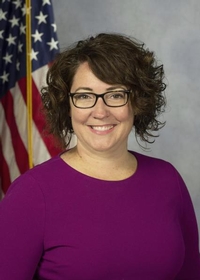
Rep. Danielle Otten
Sponsored bills
Maddy summaryThis bill updates Pennsylvania's Unfair Trade Practices and Consumer Protection Law to strengthen rules against deceptive automatic renewal policies. It requires businesses to clearly disclose future pricing changes and deadlines for cancellation in bold text, while also prohibiting the intentional misrepresentation of renewal terms. The law expands its scope to cover entities regulated by federal agencies like the FCC and PUC, as well as those involved in natural gas and electric utility markets. Ultimately, these changes aim to ensure consumers receive transparent information when signing up for recurring services or subscriptions.
Maddy summaryThis Pennsylvania bill establishes new pension benefits for retired public employees starting in 2025. It provides an additional monthly payment to eligible retirees from state education and government systems who retired before 2001, with the amount calculated as a percentage of their July 2025 annuity based on their original retirement date. The legislation also creates a special one-time adjustment for retired municipal police officers and firefighters, ensuring these groups receive increased benefits. Funding for these new payments will be spread over ten years beginning in 2025, and the benefits are not available to survivors of members who died before that date.
Maddy summaryThis bill updates Pennsylvania laws to hold certain relatives financially responsible for the long-term care costs of indigent family members who receive state medical assistance. It specifically targets spouses, children, and parents, requiring them to pay a portion of the costs for nursing home or home-based services if they have transferred assets or failed to cooperate with the eligibility process. The legislation sets specific payment limits based on the liable relative's income and allows courts to impose jail sentences of up to six months for those who intentionally refuse to comply with support orders. Additionally, the bill clarifies definitions for courts and the Department of Human Services while removing outdated references to public welfare agencies.
Maddy summaryThis bill requires the Pennsylvania Department of General Services to provide free menstrual hygiene products in at least 50% of bathrooms across all state buildings. The department must install dispensing machines and disposal receptacles while posting signs to inform the public that these items are available at no cost. The law defines menstrual hygiene products as tampons, sanitary napkins, or pads, and excludes unused or non-public buildings from this requirement. It takes effect 60 days after passage.
Maddy summaryThis bill establishes a new state program to provide insurance and financial assistance for property damage caused by landslides and subsidence resulting from coal and clay mining. It creates a dedicated insurance board and fund to administer coverage for homeowners and businesses in affected areas, particularly in southwestern Pennsylvania. The legislation outlines how premiums will be set, how claims will be processed, and how the program will be funded through an insurance fund and a separate assistance fund. Additionally, the bill assigns oversight duties to the Auditor General and allows insurance companies to offer coverage for these specific risks.
Maddy summaryThis bill amends Pennsylvania's Human Services Code to improve child welfare services and ensure they are available to all children regardless of their background. It requires the state department to conduct a triennial inventory of delinquency programs across the state and clearly defines the law's purpose as protecting children, preserving families, and prioritizing in-home care over institutional placements. The legislation also outlines specific payment percentages to counties for various services and mandates that the department refuse or revoke licenses for facilities that fail to meet safe and humane standards.
Maddy summaryThis bill establishes the Health Insurance Access Protection Act to prevent insurance companies from discriminating against people based on their health status, medical history, or preexisting conditions. It requires insurers to allow individuals and their dependents to enroll in or renew health plans without denying coverage or charging higher premiums due to these health factors. The law also limits how much insurance rates can vary based on age and tobacco use while giving the Insurance Department authority to set specific rating rules and enforce penalties for violations.
Maddy summaryHB 155 amends the Pennsylvania Health Care Facilities Act to update licensing requirements and strengthen consumer protections for residents of health care facilities. The bill includes a specific change to strike the phrase "or other" from the text, which alters how certain regulatory language is applied within the law. By modifying the existing statute and abrogating a specific regulation, the legislation aims to refine the legal framework governing health care facility operations. This measure directly impacts health care providers and facility administrators who must comply with the revised licensing standards.
Maddy summaryThis bill amends Pennsylvania's Cosmetology Law to explicitly include natural hair braiders in its licensing requirements. It mandates that individuals performing natural hair braiding must obtain a cosmetology license and work only in licensed salons, while also prohibiting the rental of booths within those establishments. The legislation clarifies that these rules apply solely to those whose business is dedicated to braiding and does not affect emergency services, medical professionals, or licensed barbers. Additionally, the bill establishes specific eligibility criteria for taking the required examination and outlines the fees and renewal processes for these new licenses.