

Maddy summaryHB 1150 raises Pennsylvania's minimum wage to $15 per hour starting January 1, 2026, with annual increases thereafter. It also establishes a phased timeline for tipped employees: requiring higher base cash wages starting in 2025 (e.g., $5.00/hour after June 2025) and mandating that by July 1, 2029, employers must pay the full minimum wage without relying on tips. The bill ensures all tips received by employees remain their property and cannot be used by employers to meet minimum wage requirements. This directly affects most private-sector employers and tipped workers in Pennsylvania, particularly in hospitality and service industries.
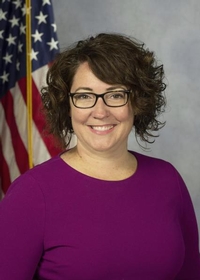
Rep. Danielle Otten
Sponsored bills
Maddy summaryHB 832 requires hospitals planning to close all or most units (general hospital closure) or critical departments like emergency or maternity units (significant impact closure) to follow specific steps. Hospitals must submit a detailed closure plan for approval by the Department of Health or local health authorities at least 180 days before closing, include a health equity impact assessment, and hold two public hearings in the affected community. The bill mandates public notice, comment periods via phone and website, and ensures hospitals address community health needs before proceeding. This directly affects hospitals seeking to close operations and the communities relying on their services, aiming to prevent abrupt healthcare disruptions.
Maddy summaryHB 1097 creates a new minor criminal offense in Pennsylvania for organizing or operating events where live pigeons are used as targets for shooting contests, either for amusement or skill testing. This applies to anyone who willfully runs such events at a designated location, including using mechanical aids to present pigeons to shooters. The bill explicitly excludes legal hunting under state game laws, dog training activities, or permitted special events. It takes effect 60 days after enactment.
Maddy summaryHB 1071 amends Pennsylvania's Liquor Code to allow limited winery license holders to partner with BYOB restaurants for off-premises wine service under a new permit program. It directly affects licensed wineries and BYOB restaurants (establishments with health permits that allow patrons to bring their own alcohol). Key provisions require wineries to pay a $500 initial fee and $500 annual renewal fee per permit, provide 14 days' notice to police and the Liquor Control Board, operate between noon and 9 PM, and ensure servers are certified. The bill defines "BYOB restaurant" as a dining establishment with a valid health permit that permits patrons aged 21+ to bring alcohol for on-premises consumption. This creates a structured framework for wineries to expand sales at partner venues while maintaining regulatory oversight.
Maddy summaryThis bill creates a $100 tax credit for Pennsylvania taxpayers who adopt cats or dogs from animal shelters, humane societies, or rescue organizations. The credit applies to state income taxes, with a maximum annual benefit of $300 (covering up to three adopted animals). To claim the credit, taxpayers must submit proof of spaying/neutering and adoption during the tax year. The program directly affects individuals adopting shelter animals, aiming to incentivize pet adoption through tax relief.
Maddy summaryThis bill establishes a grant program to provide free menstrual products (such as pads and tampons) in Pennsylvania public schools. Schools with 25% or more students eligible for free or reduced-price lunch programs can apply for grants to purchase these products and install dispensers or disposal units. Recipients must report annual spending on products and dispenser maintenance to the state. The program is funded by a state appropriation for the 2025-2026 fiscal year.
Maddy summaryHB 1065 creates a new felony offense for selling unmarked firearm components in Pennsylvania. It specifically targets the sale of firearm frames/receivers, silencer frames, split/modular frames, or partially complete frames without serial numbers registered to a federal firearms licensee. The bill defines "privately made firearm" as one assembled by non-licensed individuals without federal serial markings. This law directly affects sellers of homemade or unlicensed firearm parts, making such sales a third-degree felony. It does not change laws regarding firearm ownership or purchase, only penalizing the sale of unmarked components.
Maddy summaryHB 1060 increases annual maintenance payments for municipalities that received highway transfers under Pennsylvania's State Highway Law. It raises the base payment from $4,000 to $12,500 per mile for these transferred highways. Starting February 1, 2028, payments will automatically adjust every two years based on the Consumer Price Index (inflation rate), with the department calculating and publishing these adjustments. The bill directly affects municipalities managing highways transferred under Chapter 92 of the State Highway Law.
Maddy summaryHB 1055 creates a new criminal offense in Pennsylvania for threatening healthcare workers, specifically targeting threats intended to interfere with their duties. It defines the crime as knowingly making oral/written threats against healthcare practitioners, technicians, or hospital security officers, with penalties escalating from a minor violation for a first offense to a third-degree misdemeanor for repeat offenses. The law requires healthcare facilities to post clear notices about this offense at all public entrances, and a person cannot be convicted if the notice wasn’t displayed (unless they knew about the offense). This bill directly affects anyone making threats against covered healthcare workers in Pennsylvania, aiming to protect them from intimidation during work.
Maddy summaryHB 1038 creates a new 25% tax credit for Pennsylvania property owners who install green roofs - roofs with vegetation, waterproof membranes, and drainage systems. It directly affects businesses and individuals who construct qualifying green roofs covering at least 50% of a building’s rooftop or 75% of certified eligible space, requiring structural engineering certification and local permits. Applicants must file detailed plans with the Department of Revenue, maintain the roof for five years, and claim credits against annual taxes (capped at $100,000 per applicant yearly), with $10 million in credits available statewide each fiscal year. The credit is non-refundable, non-transferable, and requires repayment if maintenance requirements are not met.