

Maddy summaryHB 1779 requires businesses using algorithms to set prices (like online retailers or service platforms) to disclose how those algorithms work to consumers. It mandates the Pennsylvania Attorney General and Consumer Protection Bureau to develop rules for transparency and investigate unfair pricing practices. The bill directly affects companies that use dynamic or automated pricing models and aims to give consumers clearer insight into how prices are determined. This is a concrete policy change focused on disclosure, not on regulating specific prices or outcomes.
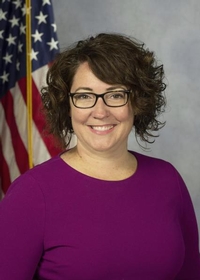
Rep. Danielle Otten
Sponsored bills
Maddy summaryHB 1778 establishes a pilot program called the Essential Energy Stability Fund to provide limited financial assistance for utility bills to eligible low-income households during off-season periods (outside regular peak billing cycles). The fund would use a dedicated state appropriation to help households manage unexpected energy costs when they might face financial strain. This temporary program is designed to test whether targeted off-season support can improve energy affordability for vulnerable residents. The bill focuses on concrete funding for direct assistance, not broader policy changes.
Maddy summaryHB 1299 amends Pennsylvania's Unfair Trade Practices and Consumer Protection Law to regulate automatic renewal and continuous service offers. It requires businesses to clearly disclose renewal terms, pricing after trials, and cancellation options in a way consumers can retain, and to allow online cancellation. The law applies to most subscription-based goods/services but excludes health clubs, federally regulated utilities, natural gas/electricity contracts, and insurance entities. Violations would be treated as unfair trade practices under existing enforcement mechanisms.
Maddy summaryHB 564 updates Pennsylvania law to establish a new mental health crisis response system. It requires the Department of Human Services to create and operate this system, including training crisis responders and coordinating care. The bill directly affects individuals experiencing mental health crises and the state agencies responsible for emergency mental health services. Key provisions mandate specific duties for DHS to ensure timely, accessible crisis support statewide. The bill passed final passage on July 14, 2025, and is now under review by the Health & Human Services committee.
Maddy summaryHB 1751 creates a new Office of Employee Ownership within the state's Department of Community and Economic Development to support employee-owned businesses. It establishes an Employee Ownership Advisory Board to guide the program and a Main Street Employee Ownership Grant Program to provide funding for these businesses. The bill also directs the state to offer technical and financial assistance to help employee-owned enterprises grow and operate. This bill directly affects employee-owned businesses seeking support, grants, and guidance through state programs.
Maddy summaryHB 1407 updates Pennsylvania's teacher certification rules, effective July 1, 2027. It establishes new grade spans for certificates: "Primary" (pre-K through grade 6), "Secondary" (grades 7-12), and "Specialized" (pre-K through grade 12). Current teachers with early childhood certificates can add grades 5-6 by passing an assessment or earning continuing education credits, while those with elementary/middle certificates can expand to grades 7-12 using similar pathways. The bill also requires teacher preparation programs to adjust coursework and field placements for early childhood certification, and abrogates outdated regulations inconsistent with these changes.
Maddy summaryHB 1729 would require online platforms in Pennsylvania to verify the age of users and set default privacy settings for children under 18, blocking strangers from messaging, viewing profiles, tagging, or transacting with them without parental approval. For children under 13, parents must approve all new connections and financial transactions, and can view their child's activity on the platform. The bill also prohibits platforms from using deceptive design features ("dark patterns") that undermine these protections and bans discrimination against minors in service quality or pricing. This applies to social media, gaming, and other platforms allowing public profiles and user interaction.
Maddy summaryHB 1575 creates a new tax credit program to revitalize vacant industrial properties in Pennsylvania. It directly affects building owners of pre-1973 factories or mills that have been at least 75% vacant for 24 months and are designated by their municipality for rehabilitation. The bill establishes a credit equal to 20% of qualified renovation costs (like structural repairs or equipment upgrades) that meet specific value thresholds, applied against certain business taxes. To qualify, properties must be rehabilitated for mixed commercial/residential use, and the program is administered by the Department of Community and Economic Development.
Maddy summaryHB 1712 updates Pennsylvania's emergency communication rules under Title 35 (Health and Safety). It requires the state emergency management agency to maintain a single integrated system for weather advisories, disaster warnings, and coordination with local agencies, police, and the National Weather Service. The bill mandates two new statewide phone numbers: one for the public and emergency personnel to report hazardous materials or disasters, and another for the legislative branch to directly communicate with the agency during weather emergencies. These changes directly affect county/municipal emergency responders, state agencies (including the State Police), and legislative offices. The law takes effect 60 days after enactment.
Maddy summaryThis resolution designates the week of September 15-19, 2025, as "Clean Energy Week" in Pennsylvania. It is a ceremonial designation with no new policies, funding, or direct impact on residents or businesses. The resolution highlights Pennsylvania’s existing clean energy sector - including solar, wind, and geothermal resources - and notes the state’s growth in clean energy jobs and production. It does not alter laws or create new obligations; it solely aims to recognize ongoing efforts in the clean energy field.