

Maddy summaryThis bill creates a new savings program for first-time homebuyers in the state, allowing them to open accounts specifically to save for down payments and closing costs on a single-family home. The program is administered by a new Bureau of Savings Programs within the Treasury Department, which will also manage a dedicated fund to hold contributions and earnings. To participate, individuals must apply through an online form and must not have previously owned a home in the state or another country. The money saved in these accounts can only be used for eligible housing expenses when the buyer purchases their first home.
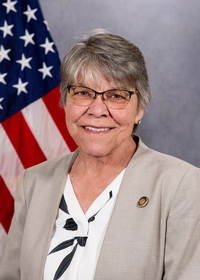
Rep. Nancy Guenst
Sponsored bills
Maddy summaryThis bill amends the Osteopathic Medical Practice Act to change the term "registered" to "licensed" in specific sections of the law. The change directly affects the official title and terminology used to describe osteopathic physicians within the state's regulatory framework. By updating the language, the legislation ensures consistency in how medical professionals are identified in legal documents. The bill does not alter the actual requirements for practicing medicine, only the wording used in the statute.
Maddy summaryThis bill makes a minor technical correction to the Medical Practice Act of 1985 by clarifying the definition of "registered" in the text. The amendment adds the words "licensed" to the phrase, changing it to "registered] licensed" to ensure precise terminology regarding medical professionals. This change does not alter the substantive rules or regulations of the act but serves to improve the accuracy of the legal definitions within the law.
Maddy summaryHB 2407 updates Pennsylvania's emergency management laws by adjusting the funding amounts for various grants and programs that support fire and emergency medical services companies. The bill specifically changes the financial allocations for different initiatives, such as reducing certain grant limits while increasing others, and mandates that protective equipment provided through loans must be free of PFAS chemicals. Additionally, it requires the State Fire Commissioner to report on these programs annually instead of every two years. These changes aim to refine how state funds are distributed and managed for emergency responders without altering the core purpose of the existing grant systems.
Maddy summaryThis bill designates September 1, 2024, as "Polish Resistance in World War II Commemoration Day" within the state of Pennsylvania. The legislation honors the bravery of Polish soldiers and civilians who fought against German forces during the war, particularly highlighting the Warsaw Uprising of 1944. It serves as a symbolic gesture to recognize the sacrifices made by Polish Americans and the broader Allied effort, noting that Luzerne County has a significant population with Polish heritage. As a commemorative resolution, the bill does not alter laws or allocate funding but instead establishes an official date for public remembrance.
Maddy summaryThis bill designates October 6, 2024, as "German American Day" in Pennsylvania to honor the state's historical connection to German immigrants and their descendants. The legislation highlights key milestones, such as the founding of Germantown in 1683 and the significant role German ancestry plays in the Commonwealth's population and culture. By formally recognizing this date, the House aims to celebrate the enduring relationship between Pennsylvania and Germany, which is supported by strong cultural ties and economic partnerships.
Maddy summaryThis bill amends the Pennsylvania Human Relations Act to update the list of protected characteristics, explicitly adding sex, sexual orientation, gender identity or expression, familial status, handicap, disability, and the use of support animals to existing categories like race and age. The legislation directly affects employers, employment agencies, labor organizations, and providers of housing and public accommodations by clarifying that discrimination based on these new and existing traits is unlawful. It reinforces the state's policy of ensuring equal opportunity and mandates that the Pennsylvania Human Relations Commission enforce these protections through established procedures and penalties. Additionally, the bill includes provisions to protect religious exercise while maintaining the commission's powers and duties to prevent prejudice and handle complaints.
Maddy summaryThis bill requires Pennsylvania State Police to report to the Attorney General and U.S. Immigration and Customs Enforcement when a background check reveals that a person attempting to buy a firearm is unlawfully present in the United States. Additionally, it mandates that judges inform the State Police about individuals who have been found incompetent, involuntarily committed, or treated for mental health issues, as well as those with drug use or addiction problems. These changes aim to improve the sharing of critical information between state authorities and federal immigration officials regarding firearm eligibility. The law will become effective 60 days after it is signed into legislation.
Maddy summaryHB 979 amends the Pennsylvania Election Code to clarify the rules for voting in primary elections, specifically addressing the rights of unenrolled electors who have no registered political party affiliation. The bill establishes that only voters enrolled in a political party can vote in that party's primary or hold party office, while allowing unenrolled voters to choose a party at the polling place and cast a ballot for that specific election. Under the new procedures, election officers must ask unenrolled voters which party they wish to support, record that choice on their certificate, and treat them as enrolled for that single vote. Additionally, the legislation updates definitions and repeals penalties related to voters accidentally using the wrong party ballot, streamlining the process for primary election administration.
Maddy summaryThis bill expands Pennsylvania's existing rules on firearm possession by clarifying the responsibilities of individuals who are legally prohibited from owning guns. It mandates that people facing certain disabilities must surrender their firearms, ammunition, and licenses to law enforcement or transfer them to eligible buyers within a specific timeframe, with stricter requirements for those subject to abuse protection orders. The legislation also introduces new penalties for failing to comply with these surrender orders and for knowingly accepting or returning weapons to prohibited individuals before a court order allows it. Additionally, the bill outlines duties for the Office of Attorney General and establishes procedures for handling firearms in community and municipal courts.