

Maddy summaryThis bill establishes a new state program to provide insurance and financial assistance for property damage caused by landslides and subsidence resulting from coal and clay mining. It creates a dedicated insurance board and fund to administer coverage for homeowners and businesses in affected areas, particularly in southwestern Pennsylvania. The legislation outlines how premiums will be set, how claims will be processed, and how the program will be funded through an insurance fund and a separate assistance fund. Additionally, the bill assigns oversight duties to the Auditor General and allows insurance companies to offer coverage for these specific risks.
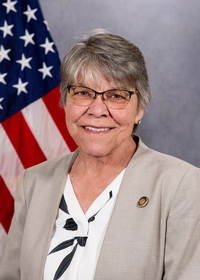
Rep. Nancy Guenst
Sponsored bills
Maddy summaryThis bill establishes the Ebony Alert System, a program operated by the Pennsylvania State Police to quickly notify the public and other agencies when specific young people of color go missing. The system is designed for individuals between the ages of 12 and 25 who are missing under suspicious circumstances, are at risk due to disabilities, or may be victims of human trafficking. When activated, law enforcement can request alerts through various media channels, while the Department of Transportation can assist with electronic signs. To fund this initiative, the bill imposes a $25 fee on individuals convicted of kidnapping offenses, with the money directed to the State Police. Additionally, the legislation prohibits unauthorized use of the alert system and sets a $5,000 penalty for violations.
Maddy summaryThis bill amends Pennsylvania's stalking laws by clarifying the specific actions that constitute the crime of stalking under Title 18. It directly affects individuals who engage in repeated courses of conduct or communications toward another person, such as following someone without authority. The key provision defines stalking as knowingly or recklessly placing another person in reasonable fear of bodily injury or causing them substantial emotional distress. The bill also removes previous language regarding the intent behind these actions, focusing instead on the actual fear or distress caused. If passed, these changes would take effect 60 days after the law is enacted.
Maddy summaryThis bill updates Pennsylvania state laws to strengthen support for veteran-owned and small disadvantaged businesses by setting participation goals and creating new programs. It requires the Department of General Services to establish specific targets for contracting with these businesses and mandates a study to check if there is a gap between available businesses and their actual use by the state. The legislation also allows for waivers of these goals in certain cases and provides financial protections like bonding and progress payments to help these companies secure contracts. Additionally, it defines key terms such as "veteran-owned small business" and outlines rules to prevent fraud while ensuring fair opportunities for diverse contractors.
Maddy summaryThis bill creates a new special registration plate for vehicles in Pennsylvania that supports the arts. Vehicle owners can purchase this plate for an additional $41 fee, with $15 of that amount directed to a newly established Arts Promotion Fund. The money collected will be used to provide grants for arts programs through the state's Council on the Arts. The law also sets up specific rules for how the fund is managed and ensures that spending stays within approved estimates.
Maddy summaryThis bill modifies Pennsylvania's Election Code to clarify rules for primary elections, specifically regarding who can vote and how unaffiliated voters participate. It establishes that only voters registered with a political party can normally vote in that party's primary or hold party offices, while also creating a new process for unenrolled electors to temporarily join a party to cast a single primary ballot. The legislation defines "unenrolled electors," outlines procedures for them to select a party at the polls, and updates requirements for absentee and mail-in voting applications. Additionally, it clarifies how election returns are computed and certified by county boards and adjusts penalties for election officers who improperly deny a voter access to their preferred party's primary.
Maddy summaryThis bill designates specific local roads in Dauphin and York counties as state highways under the Township State Highway Law. It formally adds the Susquehanna Trail in York County and a road in Dauphin County to the state system, with the official transfer occurring after certain road improvements are finished. The legislation also outlines the process for Conewago Township to accept a turn-back of Bowers Bridge Road, requiring the Department of Transportation to notify the state legislature once work is complete. Ultimately, the law updates the statutory list of roads managed by the state, shifting maintenance and oversight responsibilities from local townships to the Commonwealth.
Maddy summaryThis Pennsylvania House Resolution formally recognizes November 11, 2024, as Veterans Day within the state. The measure highlights the significant number of veterans living in Pennsylvania and their contributions to the community and workforce. By passing this resolution, the legislature aims to honor the service and sacrifice of these individuals without creating any new laws or funding.
Maddy summaryThis Pennsylvania House Resolution celebrates the 388th anniversary of the United States National Guard, which traces its origins to a militia organized in Boston in 1636. The document highlights the historical evolution of the National Guard, noting its dual role in serving both state and federal needs for disaster relief and defense. It specifically acknowledges the Pennsylvania National Guard's long history, dating back to 1747, and directs that a copy of the resolution be presented to the unit.
Maddy summaryThis bill updates Pennsylvania's insurance laws to expand health coverage for adult children of policyholders. It requires health insurance policies to keep covering children up to age 26 without denying them based on factors like marital status, residency, or employment. Additionally, the law allows insurers to offer continued coverage until age 29 for unmarried adult children who are full-time students or residents, provided they meet specific eligibility requirements. These changes primarily affect individuals purchasing or renewing health insurance plans and the insurance companies that issue them.