

Maddy summaryThis resolution officially designates May 2024 as "Asian-American and Pacific Islander Heritage Month" within the state of Pennsylvania. It directly affects state residents by encouraging them to learn about and celebrate the history and contributions of Asian and Pacific Islander communities. The measure highlights specific historical events, such as the arrival of the first Japanese immigrant and the role of Chinese laborers in building the transcontinental railroad, to acknowledge the cultural significance of the month. By adopting this resolution, the Pennsylvania House of Representatives aims to foster greater awareness and appreciation of the diverse heritage present in the Commonwealth.
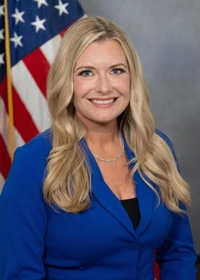
Rep. Missy Cerrato
Sponsored bills
Maddy summaryThis bill amends Pennsylvania laws to replace the existing Abortion Control Act with a new framework that reorganizes abortion-related offenses under a chapter titled "Reproductive Offenses." It removes previous requirements for informed consent, parental consent, and spousal notification while also eliminating penalties for physicians who perform abortions on fetuses of 24 weeks or more gestational age. The legislation further repeals restrictions on fetal experimentation and changes how insurance regulations are handled regarding abortion services, aiming to provide a clearer legal structure for reproductive health care in the state.
Maddy summaryThis bill updates Pennsylvania's consumer protection laws to ban businesses from charging extra fees or higher interest rates to customers who choose to pay by mail or receive paper statements. The measure directly affects consumers and financial institutions by prohibiting differential pricing based on the method of payment or billing delivery. While businesses remain allowed to offer discounts for choosing electronic options, they cannot penalize customers for preferring traditional mail or paper communications. The changes take effect 60 days after the bill is enacted.
Maddy summaryThis bill modifies sentencing guidelines and parole rules for specific murder cases in Pennsylvania, including the killing of unborn children and law enforcement officers. It establishes new minimum prison terms for adult offenders, setting a floor of 50 years, and creates age-based minimums for juveniles, ranging from 20 to 30 years depending on their age at the time of the crime. Additionally, the legislation grants the Pennsylvania Board of Probation and Parole the authority to consider parole for these individuals after serving their minimum sentences, provided they meet specific criteria regarding public safety and victim impact. A key provision requires the board to notify victims of the crime and offer them the chance to speak during parole hearings before a decision is made.
Maddy summaryThis Pennsylvania House Resolution officially recognizes March 8, 2024, as International Women's Day within the state. The measure aims to honor the diverse accomplishments and aspirations of women by encouraging residents to participate in related events and activities. It highlights the significant contributions of women in various fields, including government, science, and the arts, while specifically noting the increased number of women in Pennsylvania's legislative leadership roles.
Maddy summaryThis bill establishes the PA VETConnect Program, which requires employers with more than 50 full-time employees to display a standardized poster about veterans' benefits and services. The poster must be placed in a visible area and include contact information for the Department of Military Affairs, resources for mental health and education, tax benefits, driver's license options, unemployment insurance details, legal services, and crisis line contacts. By mandating this workplace posting, the legislation aims to make support resources for veterans and their families more accessible within Pennsylvania workplaces.
Maddy summaryThis bill amends Pennsylvania's Liquor Code to update operating hours and permit requirements for alcohol manufacturers and distributors. Specifically, it allows manufacturers to operate until 2 a.m. on January 1st following December 31st and replaces the term "special occasion permit" with "manufacturer extended hours permit." The legislation also removes the phrase "on-premise" from several sections, broadening the scope of where these entities can conduct business. These changes directly affect liquor manufacturers, importing distributors, and bonded warehouses by clarifying their legal operating times and terminology.
Maddy summaryThis bill modifies the Mixed-Use Revitalization Program in Pennsylvania to require developers using program funds to prioritize American-made supplies. It establishes a process where developers must notify their local municipality if a needed supply is not available domestically, allowing the public to file objections if they believe a suitable American alternative exists. The legislation defines "American-made" as items produced, manufactured, mined, grown, or performed within the United States. Ultimately, the requirement to use domestic supplies is waived for specific items only after a formal review confirms they are unavailable or insufficient in the U.S. market.
Maddy summaryThis bill directs government health programs to cover the cost of medically necessary home blood pressure monitors for pregnant and postpartum individuals. The measure specifically defines "enrollees" as those receiving government-sponsored health care and limits the coverage to devices validated for clinical accuracy. It applies to programs such as the Children's Health Insurance Program and extends the postpartum period to one year following delivery. The changes will become effective 60 days after the bill is enacted.
Maddy summaryHB 2276 amends Pennsylvania's Tax Reform Code to impose an inheritance tax on property transfers exceeding $100,000. The bill directs that any transfer above this threshold be taxed according to the rates established in the existing code. This change directly affects individuals who receive inheritances larger than the $100,000 exemption limit. The legislation is set to take effect 60 days after its passage.