

Maddy summaryThis bill designates the month of July 2024 as "Parks and Recreation Month" throughout Pennsylvania to highlight the importance of public parks and recreational programs. It serves as a commemorative resolution that recognizes the benefits of outdoor spaces for community health, economic growth, and environmental resilience. The measure does not create new laws, allocate funding, or change existing regulations, but rather formally acknowledges the value of these resources in the state.
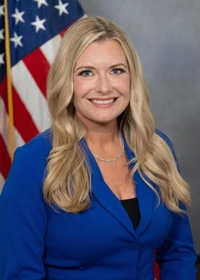
Rep. Missy Cerrato
Sponsored bills
Maddy summaryThis bill modifies Pennsylvania's Workers' Compensation Act to protect injured employees from unfair settlement terms. It directly affects employers and workers by prohibiting companies from requiring injured claimants to agree to specific conditions as part of a settlement. The law explicitly bans employers from making workers sign agreements that stop them from seeking new jobs, force them to keep settlement details secret, require them to accept Medicare payments for their injury, or demand their resignation. Any settlement agreement that includes these prohibited conditions will be considered legally invalid, and employers who violate these rules face penalties under the existing act.
Maddy summaryThis Pennsylvania House Resolution designates September 2024 as "Military Suicide Prevention and Awareness Month" to highlight the high suicide rates among veterans in the state. The measure aims to raise public consciousness about the issue by officially setting aside the month for recognition and support rather than implementing new laws or funding. It expresses support for ongoing federal and state efforts to assist veterans and their families while acknowledging the specific challenges they face.
Maddy summaryThis bill establishes the Pennsylvania Artist Fellowship Grant Program to provide financial support to artists living in the state. To qualify, applicants must be at least 18 years old, reside in Pennsylvania, actively practice in visual, media, film, or performing arts, and not be currently enrolled in school. The program awards up to 25 grants of $100,000 each annually, which recipients can use for a wide range of expenses including housing, studio rentals, materials, travel, and student loans, provided the funds are not used for political campaigns or regular employment. The Pennsylvania Council on the Arts is responsible for managing the application process and administering the program, which is funded by a $2.5 million appropriation for grants and an additional $250,000 for administrative costs.
Maddy summaryThis bill directs Pennsylvania's Human Services department to apply for a federal waiver that would allow SNAP and WIC benefit recipients to use their funds to buy diapers or menstrual hygiene products. The legislation authorizes the department to adopt necessary rules once the USDA approves the waiver, ensuring the state can participate in this potential program change. It does not immediately change how benefits are used but establishes the legal framework to implement such a waiver if federal approval is granted.
Maddy summaryThis resolution directs the Joint State Government Commission to study the financial impact on Pennsylvania taxpayers of state police services provided to municipalities without their own local departments. The bill requires the commission to form an advisory committee including representatives from revenue, transportation, and law enforcement sectors to analyze costs and tax burdens associated with these services. Key findings must include the per capita cost of coverage, the effect on local millage rates, and an estimate of fees needed to fund these services if the state mandated a direct charge to municipalities. The commission is tasked with submitting a report with these recommendations to the House of Representatives within one year of the resolution's adoption.
Maddy summaryThis Pennsylvania House resolution officially designates November 5, 2024, as Jason Kelce's birthday and December 13, 2024, as Fletcher Cox's birthday. The measure honors the careers of these two former Philadelphia Eagles players, who are recognized for their contributions to the team's success and their extensive charitable work in the community. By formally acknowledging their achievements and retirement, the resolution aims to celebrate their impact on the state and the city of Philadelphia.
Maddy summaryThis bill creates a program called the Linked Deposit Impact Pennsylvania Act to help small, for-profit businesses owned by Pennsylvania residents that employ 100 or fewer people and earn less than $10 million annually. Under the plan, the State Treasurer would place funds with approved local banks, which then agree to lend that same amount to eligible small businesses at a reduced interest rate. The legislation requires banks to follow standard lending practices to check borrower creditworthiness and prohibits them from charging fees for participating in the program. Ultimately, the State Treasurer manages the program by reviewing loan applications and deciding how much money to deposit with each participating bank.
Maddy summaryThis bill, known as the Victims of Violence Safe Employment Act, creates a new right for Pennsylvania employees and their family members to take unpaid leave after experiencing violence, sexual violence, stalking, or abuse of a vulnerable adult. The law allows victims to take this leave to seek medical care, attend court proceedings, or recover from the trauma of the incident, with employers prohibited from retaliating against them for using the leave. Employers are required to provide this leave without requiring the employee to prove the incident resulted in a criminal conviction, relying instead on documentation from law enforcement, healthcare providers, or victim advocates. Additionally, the bill establishes penalties for employers who violate these protections and creates a legal cause of action for employees to sue for damages if they face retaliation.
Maddy summaryThis Pennsylvania bill expands stalking laws and introduces a new crime called unauthorized location tracking to address privacy concerns regarding digital surveillance. The stalking provisions clarify that repeated acts intended to cause fear or emotional distress are criminal offenses, with penalties increasing to a felony for repeat offenders or those with prior violent convictions. Additionally, the bill makes it a misdemeanor to use technology to monitor another person's location without permission, though it includes specific exceptions for law enforcement investigations, court-ordered supervision, and parents tracking their own children. These changes aim to provide clearer legal tools for protecting individuals from harassment and invasive tracking while allowing for legitimate uses like parental monitoring and fleet management.