

Maddy summaryThis Pennsylvania bill amends state insurance laws to update definitions and clarify the responsibilities of the health insurance exchange authority. It establishes a framework for collecting fees from insurers to fund either a reinsurance program, an affordability assistance program, or both, with a cap of 3.5% on total monthly premiums. The legislation also directs the state to apply for a federal waiver to allow the creation of a reinsurance program and to maximize federal funding for it. Additionally, the bill outlines how an affordability assistance program would work in 2025 to provide financial benefits to consumers based on income or other eligibility criteria without creating a permanent entitlement.
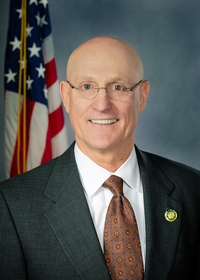
Rep. Joe Webster
Sponsored bills
Maddy summaryThis bill amends existing legislation to update the structure and numbering of regulations within the meat packing and food processing industry. It modifies specific sections to create facility health and safety committees, establish an industry workers' rights coordinator, and adjust penalty provisions. The text also revises emergency medical transportation requirements and reorganizes the bill's internal sections for clarity. These changes aim to refine how workplace safety is managed and enforced in food processing facilities without altering the core intent of the original act.
Maddy summaryThis bill requires health insurance companies in Pennsylvania to allow participating healthcare providers to choose how they receive payments, rather than forcing them to accept only credit card transactions. Insurers must inform providers about all available payment options, disclose any associated fees, and provide clear instructions on how to select a method. The law also prohibits charging fees for transmitting payments unless the provider agrees to them, while allowing billing agents to charge for specific management services. These rules apply to licensed hospitals, doctors, and other regulated medical professionals who have contracts with health insurers.
Maddy summaryThis bill updates Pennsylvania's Dog Law by refining definitions and regulations for dog kennels, particularly regarding the importation of animals. It clarifies what constitutes a commercial kennel versus a nonprofit service dog kennel, establishing a lower annual licensing fee of $35 for the latter. The legislation also mandates stricter health protocols for imported dogs, requiring specific veterinary tests and a 14-day quarantine period unless certain conditions are met. Additionally, the bill outlines criteria for revoking kennel licenses if owners are convicted of animal cruelty or sexual offenses against animals.
Maddy summaryThis bill amends a House resolution that urges Congress to continue supporting Taiwan and marks the 45th anniversary of the Taiwan Relations Act. The specific changes remove references to the Organization and the United Nations Framework Convention on Climate Change from the resolution text. These edits refine the language of the commemorative measure without altering its core message of support for Taiwan.
Maddy summaryThis bill updates Pennsylvania election laws to allow the use of electronic poll books and establishes a funding mechanism through bonds to purchase election infrastructure equipment. It requires county election boards to adopt these digital systems for early voting locations and half of all polling places on election day starting in 2025, with full implementation across all precincts by 2026. The legislation mandates that these devices must securely connect to the statewide voter registration system, track voter participation in real-time, and maintain paper backups in case of technical failures. Additionally, the bill introduces same-day voter registration options on election day and during early voting periods while removing previous rules regarding voter registration transfers and party enrollment changes.
Maddy summaryThis bill designates a specific bridge in Doylestown Township, Bucks County, as the Donald E. Parlee Memorial Bridge to honor the late Dr. Parlee. The legislation formally names the structure after the physician, who was known for his long career in radiology, military service, and extensive community philanthropy. To implement this change, the Department of Transportation is required to install and maintain official signs displaying the new name for traffic traveling in both directions. The act will take effect 60 days after being passed.
Maddy summaryThis bill designates specific times in May 2024 as "Bike Month," "Bike to Work Week," and "Bike to Work Day" throughout Pennsylvania to encourage cycling. It serves as a symbolic resolution intended to raise awareness about the health, environmental, and economic benefits of using bicycles for commuting. The measure does not create new laws or change funding but rather formally recognizes these dates to promote community participation in cycling events. By highlighting the advantages of biking, such as improved air quality and employee well-being, the bill aims to foster a culture of active transportation in the state.
Maddy summaryThis Pennsylvania resolution designates May 2024 as Amyotrophic Lateral Sclerosis Awareness Month to highlight the condition known as Lou Gehrig's disease. The bill directly affects the state's House of Representatives and aims to increase public understanding of ALS, a fatal neurodegenerative disease that causes muscle weakness and affects thousands of adults annually. By officially recognizing this month, the legislation seeks to acknowledge the challenges faced by patients and their families while promoting awareness of ongoing research efforts. The measure does not alter laws or allocate funding, serving instead as a symbolic gesture to foster community recognition of the disease.
Maddy summaryThis bill amends Pennsylvania vehicle laws to clarify requirements for child safety restraint systems in vehicles. It specifies that seats equipped by the manufacturer to install child passenger or rear-facing restraint systems, as well as those for child booster seats, must comply with specific regulations. The changes update the text to ensure these seating positions are properly included in the legal definitions for required safety equipment.