

Maddy summaryThis bill creates a new grant program in Pennsylvania to provide operating assistance for public transportation in counties that are experiencing growth. It allows counties with increasing populations or rising employment numbers to apply for funding, with the available money split evenly between these two categories. To receive the grants, eligible entities must already be recipients of other state transportation funds and will be awarded money based on their county's percentage growth over the past five years. The program includes a limit on local matching funds and requires annual appropriations to operate.
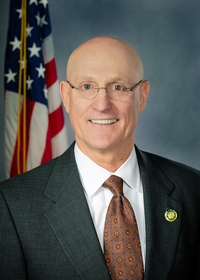
Rep. Joe Webster
Sponsored bills
Maddy summaryThis Pennsylvania House Resolution designates September 2024 as "Military Suicide Prevention and Awareness Month" to highlight the high suicide rates among veterans in the state. The measure aims to raise public consciousness about the issue by officially setting aside the month for recognition and support rather than implementing new laws or funding. It expresses support for ongoing federal and state efforts to assist veterans and their families while acknowledging the specific challenges they face.
Maddy summaryThis bill allows local governments in Pennsylvania to charge fees to taxpayers who owe delinquent per capita, poll, or occupation taxes. The fees are intended to cover the costs of sending notices about unpaid taxes and other collection efforts, and the money collected goes directly to the tax collector. Local officials must keep a detailed record of these fees and can only charge for costs incurred within five years of when the tax was due. The law also prevents taxpayers from suing to get these fees back and stops the use of contingency fees for collecting these specific taxes.
Maddy summaryThis bill changes how local governments in Pennsylvania handle the collection of unpaid taxes for specific categories like income, occupation, and local services. It removes the requirement for tax collectors to send a registered or certified mail notice to taxpayers before taking collection action against their employers. Instead, local authorities can now charge taxpayers for the costs of sending notices or using other collection procedures, provided these costs are approved by the local governing body. Additionally, the bill limits the time window for collecting these specific costs to five years from the date the tax was originally due.
Maddy summaryThis Pennsylvania bill expands stalking laws and introduces a new crime called unauthorized location tracking to address privacy concerns regarding digital surveillance. The stalking provisions clarify that repeated acts intended to cause fear or emotional distress are criminal offenses, with penalties increasing to a felony for repeat offenders or those with prior violent convictions. Additionally, the bill makes it a misdemeanor to use technology to monitor another person's location without permission, though it includes specific exceptions for law enforcement investigations, court-ordered supervision, and parents tracking their own children. These changes aim to provide clearer legal tools for protecting individuals from harassment and invasive tracking while allowing for legitimate uses like parental monitoring and fleet management.
Maddy summaryThis bill updates Pennsylvania laws to improve how electric utilities manage energy efficiency programs and streamline the approval process for their plans. It requires the state commission to decide on utility plans within 120 days and allows companies 60 days to revise rejected plans, while also protecting the inclusion of mechanical insulation unless proven cost-ineffective. The legislation clarifies definitions for key terms like "energy efficiency measures," which now explicitly include solar panels, efficient windows, and various heating and cooling technologies, and establishes standards for quality assurance and cost-benefit testing.
Maddy summaryThis bill updates Pennsylvania laws regarding off-road vehicles, specifically all-terrain vehicles and dirt bikes, within urban municipalities. It clarifies that cities of the second, second class A, and third class are considered urban municipalities for the purpose of these regulations. The legislation ensures that local governments retain the authority to create their own rules banning or restricting these vehicles within city limits and prevents the state law from being used to override local ordinances. Additionally, it confirms that operating these vehicles outside urban areas must still follow existing state and local laws. The changes take effect 60 days after the bill is enacted.
Maddy summaryThis bill establishes rules for how Pennsylvania can use money from the Veterans' Trust Fund. It prohibits the state from using these funds to pay salaries for administrative staff working at veterans' or charitable organizations, though medical care providers are exempt from this restriction. Additionally, the law limits grants or assistance to any single organization to a maximum of $250,000 over a three-year period. These changes apply immediately to the State Veterans' Commission and the Deputy Adjutant General for Veterans' Affairs.
Maddy summaryThis Pennsylvania bill requires school districts to print a 24/7 accessible suicide prevention hotline number on student identification cards for grades six through twelve. It also mandates that school safety coordinators ensure the same hotline number is prominently displayed on school websites and in the offices of counselors, principals, and administrators. These changes aim to make mental health resources more visible and accessible to students and staff within the school environment.
Maddy summaryThis bill creates the Pennsylvania Small Business Innovation Grant and Small Business Technology Transfer Matching Funds Program to offer financial support to local small businesses participating in federal research initiatives. Administered by the Department of Community and Economic Development, the program provides matching grants of up to $50,000 to businesses that have received Phase I awards from the Small Business Administration for federal research projects. To qualify, companies must be headquartered in Pennsylvania, commit to keeping at least 51% of their research work within the state, and submit specific reports demonstrating their ability to advance the project to Phase II. The legislation also sets limits on funding, allowing each business to receive only one grant per year and a maximum of five total awards, with funds released in installments tied to project milestones.