

Maddy summaryHB 2217 requires Pennsylvania public schools to provide specific minimum recess and lunch periods for students. It mandates at least 30 minutes of recess daily for full-day kindergarten through fifth grade, 15 minutes for half-day kindergarten, and 30 consecutive minutes of lunch for all full-day kindergarten through twelfth grade. The bill prohibits withholding lunch for discipline or make-up work, ensures students can opt out of cafeteria lunch for religious reasons, and prevents schools from reducing non-tested subject instruction time to provide recess without balancing with tested subjects. This applies to all school entities (including districts, charter schools, and cyber charters) and takes effect July 1, 2027.
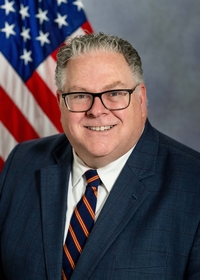
Rep. Tim Briggs
Sponsored bills
Maddy summaryHB 1934 amends the Commonwealth Attorneys Act by updating specific definitions used in the law. This change directly affects Commonwealth Attorneys, who are county-level prosecutors in Pennsylvania. The bill clarifies terminology within the existing legal framework without altering substantive duties or powers. As a definitional amendment, it focuses on improving precision in statutory language.
Maddy summaryHB 2152 amends Pennsylvania's Public School Code to allow school districts to use state grant funds for shifting secondary school start times to no earlier than 8:30 a.m., requiring the new time to be at least 15 minutes later than current start times. School entities must adopt a policy for the later start time and inform communities about the health and academic benefits of adequate sleep for students before implementation. The Department of Education must provide guidance and support to schools planning this change, including public awareness campaigns. This applies to all Pennsylvania school districts and charter schools serving grades 7-12.
Maddy summaryThe context provided does not include sufficient details about HB 331's specific provisions, who it affects, or its key mechanisms. The bill title mentions amending judicial statutes regarding "surcharge" for facilities and supplies, but no concrete policy changes, affected parties, or operational details are described in the available information. Without the full text or explanatory summaries of the bill, a factual summary cannot be accurately generated. Procedural actions (like being "laid on the table") do not describe the bill's content.
Maddy summaryHB 1648 amends Pennsylvania's Public School Code to establish "mental health days" as an excused absence for students, directly affecting public, nonpublic, and private school students. Schools must adopt policies by the 2026-2027 school year allowing up to two consecutive days off for mental or physical fatigue due to mental health-related stressors, whether certified (like anxiety) or uncertified (like bullying or family trauma). The bill prohibits more than three mental health days in a week or two consecutive weeks, except as permitted by school policies. The state Department of Education will develop model guidelines within 90 days to help schools implement these policies.
Maddy summaryHB 1640 protects patient privacy for reproductive health care records in Pennsylvania. It requires healthcare providers (covered entities) to obtain written permission from patients before sharing records related to permitted reproductive services - such as pregnancy care, contraception, or abortion - except in limited circumstances like court orders, abuse investigations, or legal defense needs. The law explicitly preserves existing confidentiality protections under other state laws, including those for mental health and domestic violence services. It applies directly to patients seeking reproductive health care and the healthcare providers handling their records.
Maddy summaryHB 2005 would amend Pennsylvania's abortion-related statutes to require specific medical consultations and informed consent procedures before an abortion can be performed. The bill would mandate that healthcare providers discuss certain medical details and ensure patients understand the procedure and potential risks. This applies directly to licensed physicians and clinics providing abortion services in Pennsylvania. The bill is currently pending in the Judiciary Committee after recent committee actions, but has not yet been voted on by the full legislature.
Maddy summaryHB 670 would protect access to abortion clinics in Pennsylvania by creating a legal right for people to enter reproductive health services facilities and allowing lawsuits against individuals or entities that block access. It amends criminal and judicial statutes to define "blocking access" as a violation and imposes penalties for such actions. The bill directly affects patients seeking abortion care, clinic staff, and anyone attempting to obstruct facility access. Key provisions include enabling civil lawsuits for damages and establishing specific criminal penalties for interference with facility access.
Maddy summaryHB 2018 requires Pennsylvania law enforcement and courts to disclose specific criminal history records and abuse-related information to the Domestic Violence Fatality Review Board and local review teams. It directly affects domestic violence fatality review boards, teams, and the individuals whose records are shared. The bill establishes a formal Domestic Violence Fatality Review Program to collect and analyze this information for improving responses to domestic violence cases. Key provisions mandate the disclosure of certain records to these review bodies, aiming to better understand factors in domestic violence fatalities.
Maddy summaryThis Pennsylvania House resolution (HR 402) urges the U.S. Congress to require meaningful accountability and civil rights reforms before approving new funding for the Department of Homeland Security (DHS) and Immigration and Customs Enforcement (ICE). It directly addresses federal agencies by demanding reforms like enforceable use-of-force standards, independent reviews of serious incidents, and public release of body-camera footage after deaths or injuries during enforcement. The resolution cites the January 2026 deaths of two U.S. citizens during an ICE operation in Minneapolis as a catalyst for requiring transparency and oversight before additional federal appropriations are granted. It does not create new law but calls on Congress to condition future funding on specific, concrete reforms to protect civil rights and public safety.