

Maddy summaryHB 1006 updates Pennsylvania's Milk Marketing Law to strengthen certification requirements for professionals testing, weighing, and sampling milk. It requires milk dealers to use only board-certified testers for butterfat analysis and certified weighers/samplers for milk pickup, with new applicants needing to pass exams and pay $5 fees. Certified testers must maintain test records for two years and display their certificates visibly at workplaces. The bill directly affects milk dealers, producers, and testing personnel by mandating standardized, verified measurement practices under the Milk Marketing Board.
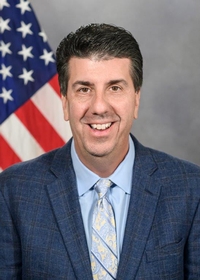
Rep. Joe Ciresi
Sponsored bills
Maddy summaryHB 1344 amends Pennsylvania state law to establish minimum training standards for police officers who work with police dogs. The bill directly affects municipal police departments and officers using canine units across the state. Its key provision requires officers to complete specific, standardized training programs before deploying police dogs, ensuring consistent competency and safety protocols. The legislation focuses on setting clear, measurable requirements for handler training rather than addressing broader police practices.
Maddy summaryHB 928 amends Pennsylvania law to expand access to epinephrine auto-injectors for severe allergic reactions. It adds schools, sports organizations, and other public venues to the list of "authorized entities" allowed to store these devices and train staff. The bill clarifies who can access the injectors during emergencies and specifies training requirements for personnel. This directly affects schools, youth programs, and public facilities serving individuals at risk of anaphylaxis.
Maddy summaryThis Pennsylvania bill establishes a temporary program allowing businesses to receive tax credits for donations to scholarship and educational improvement organizations. The legislation sets specific annual spending limits for these credits, which are available only for fiscal years before 2027-2028, and creates a new restricted account to track the funds. It also defines various terms related to the program, including assessments and business firms, while assigning oversight duties to several state departments.
Maddy summaryThis Pennsylvania bill expands rules against hunting and trapping by explicitly banning the use of devices that involve beating game or wildlife. It also strengthens license penalties by allowing officials to revoke hunting or trapping privileges for specific serious violations, including the new beating prohibition, hunting while intoxicated, entering safety zones, damaging property, shooting at people, and failing to assist after an incident. Additionally, the law permits license revocation for individuals convicted of aggravated cruelty to animals in Pennsylvania or similar offenses in other states. The commission retains the authority to set the specific duration for any license revocations.
Maddy summaryThis bill establishes the Pennsylvania Maternal and Infant Outcome Measures Survey Program within the Department of Health to collect data on the health experiences of mothers and babies. The program will conduct surveys of individuals who have recently had a live birth to gather information on their behaviors, attitudes, and experiences before, during, and after pregnancy. The Department of Health is authorized to use available funding, including federal money, and may hire outside contractors to run the survey while ensuring all personal data remains confidential. Additionally, the bill allows the department to share de-identified survey results with researchers and publish them in public reports to help improve maternal and child health outcomes.
Maddy summaryThis bill modifies Pennsylvania's tax code to update definitions for tax benefits and establish new rules for computer data centers and infrastructure projects. It prohibits the state from certifying any new computer data centers after the law takes effect, effectively ending the current incentive program for such facilities. Additionally, the legislation creates a new certification process for the Governor's Responsible Infrastructure Development program, which sets standards for clean firm energy, including requirements for nuclear, hydro, wind, solar, and hydrogen sources. These changes aim to clarify how tax benefits are administered and to guide future infrastructure investments toward specific energy standards.
Maddy summaryThis bill directs Pennsylvania's Human Services department to replace current Supplemental Nutrition Assistance Program cards with new chip-enabled versions by January 1, 2028. The new cards will be provided free of charge to eligible recipients and will include security features like tap-to-pay technology to prevent benefit theft. The department must issue regular reports on the transition progress to state legislators and take steps to secure funding, including applying for federal grants.
Maddy summaryThis bill establishes a new framework for Pennsylvania public utilities to earn a return on their equity investments, directly affecting investor-owned electric, gas, and water companies regulated by the state commission. It creates a competitive auction process where utilities can bid to set their own return rates based on market conditions, while also providing a default rate of the 10-year U.S. Treasury yield plus 2 percent if no auction occurs. To support this system, the legislation requires utilities to separate their services into distinct legal entities and mandates annual reporting to ensure transparency. Ultimately, the law aims to determine how much profit these utility companies can make on their investments while maintaining oversight through the state commission.
Maddy summaryHB 2162 amends Pennsylvania's Wholesale Prescription Drug Distributors License Act to clarify definitions and license application requirements. It specifically defines "virtual manufacturer" as a business that doesn't physically handle drugs in Pennsylvania but has FDA approval processes underway, including submitting or planning to submit FDA applications within 12 months. The bill adds new application requirements: manufacturers of unapproved drugs must state they've applied to or plan to apply to the FDA within 12 months, and virtual manufacturers must provide similar documentation. Crucially, it states the state department cannot require FDA approval as a condition for licensure. This directly affects drug distributors operating under the "virtual manufacturer" model and unapproved drug manufacturers seeking state licenses.