

Maddy summaryHR 7 is a symbolic resolution designating August 21, 2025, as "National Senior Citizens Day" in Pennsylvania. It does not create new laws or alter policies; it serves only to recognize and honor senior citizens within the state. The resolution was referred to the Aging & Older Adult Services committee and is currently stalled after being laid on the table under House Rule 71. This procedural bill affects no specific individuals or programs, as it has no binding effect.
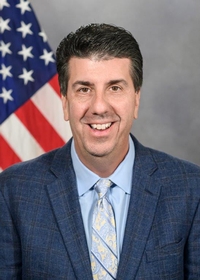
Rep. Joe Ciresi
Sponsored bills
Maddy summaryHB 1653 creates competitive grants to help nonprofit early childhood organizations and public school districts establish or expand child-care centers in rural Pennsylvania counties with low population density (under 291 people per square mile). The grants fund facility costs like construction or renovation, and provide two years of salary supplements to ensure child-care staff earn comparable pay to public school teachers. Recipients must partner with local businesses to cover some child-care fees for employees, aiming to maintain staffing levels after the grant period ends. This bill directly supports rural communities facing childcare shortages by making it financially feasible to open or grow quality early childhood programs.
Maddy summaryHR 254 is a resolution directing the Joint State Government Commission to study the feasibility and costs of burying electrical power lines underground instead of keeping them overhead. It does not change current laws or require immediate action, but mandates the Commission to examine potential benefits like reduced storm damage and aesthetic improvements. The study would provide factual information to inform future legislative decisions about infrastructure investments.
Maddy summaryHB 968 allows active duty military members and disabled veterans to use their home state fishing and hunting licenses in Pennsylvania without purchasing separate Pennsylvania licenses. The bill amends Pennsylvania’s Fish (Title 30) and Game (Title 34) statutes to create reciprocity for annual licenses, directly benefiting these groups when fishing or hunting in the state. Key provisions remove the need for these individuals to pay additional fees for Pennsylvania licenses, streamlining access to outdoor recreation. The bill passed in June 2025 and is now law.
Maddy summaryHB 1216 amends Pennsylvania's 1968 Unfair Trade Practices and Consumer Protection Law to update definitions of prohibited business practices and clarify which acts are considered unlawful. It specifically adds new provisions targeting deceptive marketing tactics and strengthens exclusions for certain professional services. The bill directly affects businesses operating in Pennsylvania (particularly those in retail, finance, and professional services) and consumers who may encounter unfair practices. The legislation passed its final vote on June 23, 2025, and is now pending review by the Consumer Protection & Professional Licensure committee.
Maddy summaryHB 205 amends Pennsylvania's vehicle licensing laws to clarify how driver competency is determined and impacts lease agreements. It requires the Department of Transportation to indefinitely recall driving privileges for individuals found incompetent to drive, until they provide proof of competency. The bill also adds a provision allowing lessees (car renters) to terminate vehicle leases without penalty if their driving privileges are recalled under this section, provided they submit the department's recall notice to the lessor within 45 days and no household member regularly uses the vehicle. This applies to Pennsylvania leases entered into on or after the effective date, with the law taking effect in 180 days. The key change directly affects drivers with revoked licenses and their leasing companies.
Maddy summaryThe provided context does not include the substantive provisions or specific policy changes of HB 1306. The bill's title only indicates it amends definitions and classes of income under the 1971 Tax Reform Code, but no concrete details about tax rates, brackets, affected groups, or mechanisms are described in the available information. The recent actions (e.g., "Second consideration," "Final passage") reflect procedural steps, not policy content. Without specific language or policy changes outlined in the context, a factual summary of what the bill actually does cannot be provided.
Maddy summaryHB 1282 requires cities and towns to notify property owners when the Federal Emergency Management Agency (FEMA) updates special flood hazard area maps. This directly affects homeowners and property owners in areas where flood risk maps change. Municipalities must send written notice to affected property owners within 30 days of a FEMA map update. The law aims to ensure residents understand potential changes to flood insurance requirements and property risk levels. It does not alter FEMA's map-making process or flood insurance mandates.
Maddy summaryHB 811 would create civil liability for political candidates who make false statements about themselves or others during campaigns. It allows affected individuals or entities to sue for damages if a candidate knowingly makes a fraudulent misrepresentation. The bill directly affects candidates running for office and voters who may be misled by false claims. Key provisions establish a legal pathway for civil lawsuits rather than criminal penalties, requiring proof of intentional falsehoods. This bill is currently in the Communications & Technology committee after passing final passage.
Maddy summaryHB 1498 creates a new legal process for dividing "heirs property" in Pennsylvania - real estate owned by multiple family members through inheritance without clear ownership agreements. It directly affects families holding such property (often rural or minority-owned land), requiring courts to apply specific rules when dividing it, including a right of first refusal for relatives if a cotenant receives an outside purchase offer. Key mechanisms include mandatory settlement conferences before court decisions, defined valuation procedures, and prioritizing family members over outsiders for buying shares. The law replaces older rules for partitioning property and applies automatically to eligible cases unless all owners agree otherwise.