

Maddy summaryHB 1733 adds art therapy to Pennsylvania's regulated health professions by creating specific licensure requirements for "licensed professional art therapists" and "licensed associate art therapists." It defines "art therapy" as a clinical practice using art-based techniques to address mental health needs, requiring therapists to meet education standards from accredited institutions. The bill restricts the use of the title "licensed professional art therapist" to those holding a valid license, while "licensed associate art therapists" must work under supervision and cannot practice independently. This directly affects art therapists seeking to legally use the title or provide services in Pennsylvania, establishing new standards for training, supervision, and scope of practice.
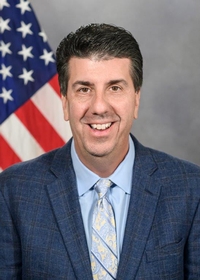
Rep. Joe Ciresi
Sponsored bills
Maddy summaryHB 20 legalizes adult cannabis use in Pennsylvania for individuals aged 21 and older, replacing current medical-only rules with a new regulatory system. It creates the Keystone Cannabis Authority to license businesses, enforce rules for product safety and advertising, and establish the Community Opportunity Fund to support equity programs in communities disproportionately impacted by past cannabis enforcement. The bill imposes new sales and excise taxes on cannabis products and creates a Cannabis Regulation Fund to manage revenue. It also includes provisions for expunging certain past cannabis convictions ("Cannabis clean slate") and consolidates medical and recreational cannabis regulations under the new authority.
Maddy summaryHB 1575 creates a new tax credit program to revitalize vacant industrial properties in Pennsylvania. It directly affects building owners of pre-1973 factories or mills that have been at least 75% vacant for 24 months and are designated by their municipality for rehabilitation. The bill establishes a credit equal to 20% of qualified renovation costs (like structural repairs or equipment upgrades) that meet specific value thresholds, applied against certain business taxes. To qualify, properties must be rehabilitated for mixed commercial/residential use, and the program is administered by the Department of Community and Economic Development.
Maddy summaryHB 1358 updates Pennsylvania's lodging laws to directly protect hotel employees. It requires hotels to safeguard workers from retaliation for reporting safety issues or violations, replacing vague existing rules with specific protections. The bill imposes fines on hotels that violate these new safeguards, targeting employers who fail to prevent retaliation. This law affects all Pennsylvania hotels and lodging businesses, focusing on concrete changes to employee safety and enforcement.
Maddy summaryHB 129 updates specific definitions within Pennsylvania's Unfair Trade Practices and Consumer Protection Law (enacted in 1968). It clarifies terms used in the law to improve consistency in how consumer protection rules are applied. This change directly affects businesses operating under the law and consumers seeking to understand their rights under the statute. The bill focuses solely on refining terminology, not altering substantive consumer protections or enforcement mechanisms.
Maddy summaryHB 1712 updates Pennsylvania's emergency communication rules under Title 35 (Health and Safety). It requires the state emergency management agency to maintain a single integrated system for weather advisories, disaster warnings, and coordination with local agencies, police, and the National Weather Service. The bill mandates two new statewide phone numbers: one for the public and emergency personnel to report hazardous materials or disasters, and another for the legislative branch to directly communicate with the agency during weather emergencies. These changes directly affect county/municipal emergency responders, state agencies (including the State Police), and legislative offices. The law takes effect 60 days after enactment.
Maddy summaryHB 1710 updates Pennsylvania's vehicle registration and title system under Title 75. It repeals temporary registration cards and permits, requiring standard registration instead, and updates procedures for transferring registration and issuing plates. The bill also adds a road user charge for electric vehicles and clarifies fees for electronic registration plates. These changes directly affect vehicle owners, dealers, and state agencies handling registrations. The bill focuses on modernizing administrative processes and adding new fee structures for electric vehicles.
Maddy summaryHB 1705 amends Pennsylvania's 1951 Landlord and Tenant Act to require landlords to disclose flood risk information to tenants. It directly affects landlords and tenants by mandating that flood risk data be made available on a public website, rather than solely through lease documents. The key provision creates a new requirement for landlords to provide access to this flood risk information via an online platform, improving transparency about property flood hazards. This change updates how flood risk disclosures are delivered under the existing law.
Maddy summaryHB 1707 establishes a 3-year pilot program providing $5,000 semester stipends to Pennsylvania residents enrolled in approved Master of Social Work (MSW) programs with a 3.0 GPA or higher who complete required internships at department-approved facilities. The Department of Human Services administers the program, awarding stipends subject to available funding and requiring interns to gain clinical training aligned with social work licensure standards. The program mandates a report within one year evaluating outcomes and expansion potential, with authority expiring three years after implementation. This directly supports social work students and aims to strengthen the behavioral health care workforce through structured education and training.
Maddy summaryHB 1572 modifies Pennsylvania's historic preservation tax credit program by setting new annual spending limits and allocation rules. It caps total annual tax credits at $20 million (excluding unused prior-year credits), limits credits to $1.5 million per project owner annually (up from $500,000), and requires equitable regional distribution of credits - reallocating unclaimed funds to other regions. The bill directly affects historic preservation project owners seeking tax credits for rehabilitation work. These changes apply to fiscal years starting July 1, 2025, and aim to manage program funding more systematically.