

Maddy summaryHB 1792 amends Pennsylvania's Tax Reform Code of 1971 to establish residential solar energy incentives. It would provide financial benefits, such as tax credits or rebates, to homeowners who install solar energy systems. The bill directly affects residential property owners seeking to adopt solar power. The specific incentive structure and eligibility details are not provided in the available context. The bill is currently pending in the Finance committee after being referred on August 10, 2025.
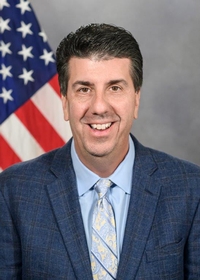
Rep. Joe Ciresi
Sponsored bills
Maddy summaryHB 1774 modifies Pennsylvania's Tax Reform Code to allow the Department of Revenue to review refund requests for overpaid taxes submitted more than three years after payment. It directly affects taxpayers who paid excess taxes years ago and seek refunds beyond the standard three-year window. The key provision grants the Department discretion to approve refunds for "the number of years of overpayment as the department deems necessary." This changes the process by giving the Department authority to grant refunds for older overpayments, rather than automatically denying them after three years. The bill takes effect 60 days after enactment.
Maddy summaryHB 1765 would require Pennsylvania municipalities to provide insurance benefits to part-time police officers. The bill amends state law to extend existing insurance coverage provisions - currently applicable to full-time municipal employees - to include part-time police officers specifically. This change would directly affect part-time police officers and the local governments that employ them, mandating that municipalities include these benefits in their employment terms. The bill is currently under review by the Local Government committee.
Maddy summaryThis bill is a commemorative resolution designating July 26, 2025, as "Americans with Disabilities Act Day" within Pennsylvania. It does not create new laws or policies but formally recognizes the anniversary of the federal Americans with Disabilities Act (ADA) through a symbolic observance. The resolution directly affects Pennsylvania residents by designating a specific day for community recognition of the ADA's impact. As a procedural resolution, it has no binding legal effect and is referred to the Human Services committee for consideration.
Maddy summaryThis bill adds a new sales and use tax exemption for specific agricultural and horticultural products in Pennsylvania. It excludes from tax the retail sale or use of fruit seeds, vegetable seeds, fruit plants, vegetable plants, fruit trees, and other seeds, plants, or trees intended for human consumption. This change directly affects retailers selling these items and consumers purchasing them for personal gardening or food production. The exemption becomes effective 60 days after the bill's enactment.
Maddy summaryHB 1767 amends Pennsylvania state statutes related to education, government, and taxation to modify retirement benefits for state employees. It establishes a supplemental retirement annuity program that will begin in 2025, affecting current and future state employees covered under the existing pension system. The bill also creates a new "Budget Stabilization Reserve Fund Interest Account" to manage specific state funds and repeals certain existing provisions. These changes primarily impact state employee retirement benefits and state fiscal management procedures.
Maddy summaryHB 1773 amends Pennsylvania's Liquor Code to legalize adult recreational cannabis use for individuals aged 21 and older. The bill establishes a regulatory framework for cannabis businesses, including licensing requirements, and imposes two specific taxes: a gross receipts tax on all cannabis sales and an excise tax on cannabis products. It also repeals outdated provisions in the existing Liquor Code that conflict with this new system. The bill is currently under review by the Health committee.
Maddy summaryHB 1778 establishes a pilot program called the Essential Energy Stability Fund to provide limited financial assistance for utility bills to eligible low-income households during off-season periods (outside regular peak billing cycles). The fund would use a dedicated state appropriation to help households manage unexpected energy costs when they might face financial strain. This temporary program is designed to test whether targeted off-season support can improve energy affordability for vulnerable residents. The bill focuses on concrete funding for direct assistance, not broader policy changes.
Maddy summaryHB 1758 removes existing rules that prevented employers from disciplining or terminating volunteer firefighters, ambulance staff, or rescue squad members who missed work for emergency calls. It replaces these provisions with a new tax credit program for employers who hire volunteer emergency responders (including firefighters, ambulance personnel, and rescue squad members). The tax credit, available to both private businesses and government entities, helps offset costs associated with employing these volunteers. This bill directly affects volunteer emergency responders and their employers across Pennsylvania by shifting from disciplinary protections to a financial incentive.
Maddy summaryHB 1761 prohibits water utilities and municipal authorities from charging "standby fees" to specific groups. It directly affects volunteer fire companies, nonprofit rescue squads, and nonprofit ambulance services (if they own/occupy buildings with fire protection systems and pay for them), as well as residential property owners with automatic fire protection systems. The bill defines a "standby charge" as an extra fee beyond the actual cost of water service for fire protection systems, and bans this practice. Existing charges for affected groups will continue until the next billing cycle after the law takes effect. The law amends both municipal and utility statutes to enforce this prohibition.