

Maddy summaryHB 1834 requires commercial data centers in Pennsylvania to pay fees to the state. These fees fund a new Data Center LIHEAP Enhancement Fund, which boosts assistance for low-income households struggling with energy costs. The bill also mandates that data centers meet specific renewable energy targets and allows them to recover certain operational costs through regulated rates. The Pennsylvania Public Utility Commission (PUC) and Department of Human Services are tasked with implementing these requirements and managing the fund.
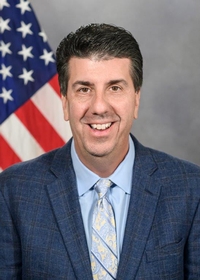
Rep. Joe Ciresi
Sponsored bills
Maddy summaryThis bill amends Pennsylvania's Professional Nursing Law to update the legal definitions and scope of practice for certified registered nurse anesthetists (CRNAs). It allows CRNAs to perform anesthesia services under the overall direction of a physician, podiatrist, or dentist who is present and available onsite during the procedure. The legislation grants CRNAs expanded authority to prescribe and administer certain medications, order and interpret diagnostic tests, and manage patient care throughout the anesthesia process, including preoperative preparation, induction, maintenance, and post-anesthesia care. These changes formalize the professional responsibilities of CRNAs within the state's nursing regulatory framework without altering the requirement for collaborative oversight by licensed medical professionals.
Maddy summaryThis bill creates a tax credit for Pennsylvania educators who purchase instructional materials or supplies for classroom use. Professional employees in public, charter, cyber, and nonpublic schools can claim a credit equal to the amount they spent on qualifying expenses, up to a maximum of $500 per year. The Department of Revenue will establish rules to determine which expenses qualify and must publish guidelines online while submitting annual reports on program usage. The credit applies to tax years beginning on or after January 1, 2025, and cannot be carried forward, carried back, sold, or assigned.
Maddy summaryThis bill is a House Resolution that designates May 8, 2026, as Child Care Provider Appreciation Day in Pennsylvania to honor the work of child care providers. The resolution does not create new laws or change any policies; it is a symbolic gesture to recognize and thank caregivers, teachers, nannies, and daycare workers who support children and families. The bill is sponsored by multiple representatives and referred to the Committee on Children and Youth for consideration. It aligns with a national tradition of celebrating child care workers annually in May.
Maddy summaryThis bill allows Pennsylvania vehicle owners to choose a two-year registration option instead of renewing annually. Under the new provision, drivers can pay a fee equal to twice the standard annual rate, reduced by at least 10% of the total registration fee excluding local use charges. The option applies to most motor vehicles but excludes those registered under the International Registration Plan, seasonal registrations, and circus or carnival plates. The change would take effect 60 days after the bill is enacted.
Maddy summaryHB 1191 strengthens railroad safety in Pennsylvania by prohibiting railroads from blocking highway crossings for more than five minutes (with $10,000 penalties), limiting freight train lengths to 8,500 feet, and requiring two-person crews for freight trains (with limited exceptions for smaller railroads). The bill authorizes union representatives to monitor safety practices and operations, mandates functional wayside detector systems on higher-risk tracks, and creates a reporting system for hazardous materials transportation. It directly affects all railroads operating in Pennsylvania, including their safety protocols, staffing, and infrastructure maintenance. Penalties for violations range from $1,000 to $25,000 for crew-related breaches, with enforcement handled by the Public Utility Commission.
Maddy summaryThis joint resolution proposes a constitutional amendment in Pennsylvania regarding exemptions and special provisions, but the specific exemptions or provisions it would change are not detailed in the provided information. As a constitutional amendment, it would require approval by the state legislature and potentially a statewide vote, affecting Pennsylvania's constitutional framework. The bill is currently active (removed from the table on 2025-11-19) but remains in early procedural stages with no substantive content described. Since it is a procedural constitutional proposal without defined policy changes in the context, a detailed summary of its impact cannot be provided.
Maddy summaryThis bill would repeal Pennsylvania laws that require relatives to financially support indigent family members, including spouses, children, and parents. The change would remove the legal obligation for these relatives to provide financial assistance regardless of their own financial situation. By eliminating these provisions, the bill aims to reduce the financial burden on family members who might otherwise be held liable for supporting indigent relatives. The repeal would take effect 60 days after the bill is enacted.
Maddy summaryThis bill updates Pennsylvania's military educational assistance program by clarifying eligibility requirements and service obligations for National Guard and reserve component members. It establishes that eligible members must sign a promissory note agreeing to repay grant funds if they fail to complete their required service commitment, which ranges from six years for National Guard members to eight years for federal reserve members. The legislation also allows for successive grant certificates upon completing initial obligations and permits members who receive other-than-dishonorable discharges to retain a proportional share of earned benefits if they meet specific conditions. These changes apply to members of the Pennsylvania National Guard and reserve components of the U.S. Armed Forces seeking educational assistance through the state program.
Maddy summaryThis Pennsylvania House Resolution asks the U.S. Congress to create a law that ensures Transportation Security Officers receive their pay even during a federal government shutdown. The measure highlights that these airport security workers are currently working without pay, leading to increased wait times and staffing issues at airports across the country. It urges lawmakers to address this funding gap immediately and to establish a system that prevents similar situations from happening in the future. The resolution does not directly change federal law but serves as a formal request from the state legislature to the national government.