

Maddy summaryHB 685 requires Pennsylvania schools to accept U.S. currency as payment for admission to school-sponsored activities, such as athletic events, assemblies, or field trips. It applies to all school entities, including public school districts, charter schools, and private schools participating in school activities. The bill mandates that cash must be accepted when fees are charged, while allowing schools to also accept other payment methods like credit cards. It defines "cash" as U.S. coins and paper money recognized as legal tender and clarifies that schools may refuse payments in large denominations that exceed the fee amount.
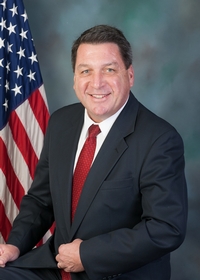
Rep. Craig Staats
Sponsored bills
Maddy summaryThis resolution designates October 14, 2025, as "William Penn Day" in Pennsylvania to honor the legacy of William Penn, the founder of the Commonwealth. It does not create new laws or affect specific groups, but formally recognizes Penn's historical contributions through commemorative recognition. The resolution cites his role in establishing Pennsylvania's early governance, religious tolerance, and influence on American founding principles.
Maddy summaryHB 927 proposes a constitutional amendment to Pennsylvania that would prohibit the state from issuing driver's licenses or similar vehicle operation permits to individuals without lawful presence in the United States. This would directly affect non-citizens residing in Pennsylvania without legal immigration status, preventing them from obtaining or renewing driver's licenses under this policy. The amendment requires approval by the Pennsylvania General Assembly and subsequent voter approval at the next applicable election, as outlined in Section 2 of the resolution. If adopted, it would change the state constitution to mandate legal immigration status as a prerequisite for license issuance.
Maddy summaryHB 575 creates new protections for military service members and veterans seeking professional licenses in Pennsylvania. It ensures that individuals holding licenses in fields like healthcare, education, or trades retain their licenses during military service without losing eligibility or facing continuing education requirements. After discharge, veterans can renew licenses within one year by paying only the current renewal fee, without making up for missed requirements. The bill also requires the Department of Education to establish a policy for awarding academic credit at Pennsylvania colleges for military training, helping veterans apply their service experience toward college credits.
Maddy summaryHB 912 standardizes Pennsylvania's process for issuing concealed firearm carry licenses. It requires a uniform application form (created by the State Police) where applicants must state a valid reason (like self-defense or hunting) and certify they meet legal eligibility. The bill mandates sheriffs to conduct specific background checks within 45 days and adds new requirements for the Attorney General to seek reciprocity agreements with all states for mutual recognition of firearm licenses, reporting progress annually. This directly affects firearm license applicants, local law enforcement, and the Attorney General's office. The bill does not change eligibility criteria but streamlines application procedures and expands interstate recognition efforts.
Maddy summaryHB 897 requires Pennsylvania state agencies to prioritize purchasing "American-made" supplies, defined as goods assembled within the United States. The bill adds this definition to procurement rules and mandates agencies to incorporate prioritization into their buying policies. If an agency determines a supply isn’t American-made or unavailable in sufficient quantities, it must publish the decision in the Pennsylvania Bulletin, allowing 30 days for objections with evidence. Affirmed determinations exempt specific supplies from the prioritization requirement.
Maddy summaryThis House Resolution (HR 115) designates April 2025 as "Faith Month" in Pennsylvania. It does not create new laws or affect any specific group; instead, it symbolically recognizes the importance of religious liberty and faith in Pennsylvania's history and values. The resolution encourages Pennsylvanians to "celebrate their faiths freely and openly" through public displays, prayer, and thanksgiving during April 2025. As a ceremonial resolution, it has no legal effect or binding requirements.
Maddy summaryThis bill requires employers in Pennsylvania's meat packing and food preparation industries to verify the work authorization status of their employees using the federal E-Verify system. It applies specifically to businesses with 100 or more employees at a single facility or those licensed under state food safety and meat hygiene laws. Employers must keep verification records for the duration of employment or three years, whichever is longer, and the Department of Labor and Industry will be authorized to investigate complaints and inspect business records for compliance. The legislation prohibits knowingly hiring unauthorized employees and establishes a formal complaint process for individuals alleging violations. Penalties for non-compliance are imposed through existing state legal frameworks.
Maddy summaryThis bill creates the CareerBound Program to connect Pennsylvania students with high-priority job opportunities through school-to-work partnerships. It establishes a formal framework where schools, local workforce boards, and businesses collaborate to provide career exploration, relevant curriculum, and workplace exposure for students. The legislation also creates a tax credit program to encourage businesses to participate in these partnerships by offering financial incentives for hiring students in high-demand occupations. State agencies including the Department of Labor and Industry and the Department of Community and Economic Development will administer the program and oversee its implementation.
Maddy summaryHB 894 establishes the Veterans Entering the Sustainability Sector Program (VETSS) to help veterans enter jobs in renewable energy and environmental sectors. The bill creates a Veterans Entering the Sustainability Sector Fund to provide grants to eligible employers - businesses focused on renewable energy (like solar, wind, or bioenergy) that hire veterans who completed approved apprenticeship training in fields such as electrician work, solar installation, or environmental maintenance. The Department of Community and Economic Development will administer the program, overseeing training development and grant applications. This directly affects veterans seeking sustainability-sector careers and employers in renewable energy who hire them, with the goal of addressing environmental concerns like climate change through workforce development.