

Maddy summaryThis bill updates Pennsylvania's Public School Code to clarify how state funding is distributed to charter and cyber charter schools. It establishes a specific formula where local school districts must pay charter schools based on the per-student cost of operating the district's own programs, adjusted annually by wage and employment cost indices. The legislation also sets up a process where the state education secretary can deduct unpaid amounts from a district's state funds if the district fails to pay the charter school on time. These changes aim to ensure that charter schools receive consistent and predictable funding from the districts where their students reside.
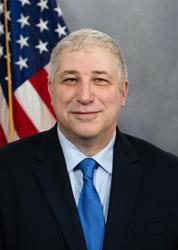
Rep. Jim Prokopiak
Sponsored bills
Maddy summaryThis House Resolution honors the life of Pennsylvania State Police Corporal Timothy J. O'Connor, Jr., who died in the line of duty in March 2026, and extends condolences to his family. The document details his 15-year career, numerous awards, and community service, while formally recognizing his sacrifice as the 105th state police officer to die in service. It directs that a copy of the resolution be presented to his wife, Casey O'Connor, as a gesture of respect and support.
Maddy summaryThis bill updates Pennsylvania's Public School Code to establish stricter attendance and safety rules specifically for cyber charter schools. It requires these schools to define clear policies for counting student presence during live online classes and completing weekly assignments for independent study, with penalties including funding withholding or charter revocation for non-compliance. Additionally, the legislation mandates that cyber charter schools implement wellness checks and create child protection plans to ensure student safety. The state education department will also develop standardized forms to help schools submit and approve these new attendance policies by a set deadline.
Maddy summaryHB 1261 bans PFAS chemicals (harmful substances linked to health risks) in firefighting protective gear, requiring safer alternatives for all new equipment. It creates grant programs to help fire companies replace PFAS-containing gear and mandates that state-funded equipment purchases must be PFAS-free. The bill also imposes penalties on entities failing to comply with the PFAS restrictions. These changes directly protect firefighters and guide fire companies' equipment procurement under Pennsylvania law.
Maddy summaryHB 1567 requires municipalities to negotiate benefit agreements with owners of certain electric power plants, mandating that facilities pay impact fees to host communities. These fees must be used for local projects like infrastructure or community programs, with clear rules for public input during negotiations. The bill also sets administrative fees for the Department of Environmental Protection (DEP) to oversee compliance and enforce the agreement process. It directly affects municipalities hosting power plants and the facilities themselves, creating a structured framework for financial contributions to impacted communities.
Maddy summaryHB 1913 would amend Pennsylvania's judicial procedure laws (Title 42) to clarify what arguments about damages are permissible in court. The bill specifically addresses "rights and immunities" in civil cases, potentially changing how parties can present damage claims during litigation. This amendment would directly affect plaintiffs and defendants in civil lawsuits seeking monetary compensation. The bill is currently under review by the Judiciary committee.
Maddy summaryHB 1106 establishes a certification program for chiropractic assistants in Pennsylvania. To become certified, individuals must be at least 18, have a high school diploma, complete an approved training program, pass an exam, and meet background requirements. Certified assistants can only perform tasks delegated by a licensed chiropractor under direct on-premises supervision and must complete 16 hours of continuing education (including 8 in-person hours) every two years to maintain certification. The bill also makes minor editorial changes to the existing Chiropractic Practice Act.
Maddy summaryHB 2173 updates Pennsylvania's Medical Practice Act of 1985 by adding new definitions and licensing requirements for medical imaging professionals. It specifically creates licensing categories for roles like medical imaging professionals, radiation therapists, radiologist assistants, and trainees, defining their scope of practice (including modalities such as MRI, CT scans, ultrasound, and nuclear medicine). The bill removes outdated provisions about radiologic procedures and education requirements while establishing certification standards through recognized medical imaging certification organizations. This directly affects healthcare workers performing imaging procedures, requiring them to obtain board licenses based on their certified modalities. The changes clarify professional responsibilities and ensure consistent training standards for these healthcare roles.
Maddy summaryThe provided context does not include details about HB 1919's specific provisions, affected parties, or policy mechanisms. The bill's title mentions amending the Public School Code regarding "student-related injury leave," but no explanatory text or legislative text is included in the context. Without additional information on how this leave would function, who qualifies, or what changes would be made to the code, a substantive summary cannot be created. The referral to the Education committee indicates it relates to school policies, but concrete details are missing from the provided information.
Maddy summaryThis bill directs the Legislative Budget and Finance Committee to conduct a performance audit on public school policies regarding student screen time. The audit will examine current rules in Pennsylvania schools, compare them to policies in other states, and evaluate whether existing limits achieve their intended goals. The committee is required to submit its findings and recommendations to the General Assembly within one year.