

Maddy summaryHB 1150 raises Pennsylvania's minimum wage to $15 per hour starting January 1, 2026, with annual increases thereafter. It also establishes a phased timeline for tipped employees: requiring higher base cash wages starting in 2025 (e.g., $5.00/hour after June 2025) and mandating that by July 1, 2029, employers must pay the full minimum wage without relying on tips. The bill ensures all tips received by employees remain their property and cannot be used by employers to meet minimum wage requirements. This directly affects most private-sector employers and tipped workers in Pennsylvania, particularly in hospitality and service industries.
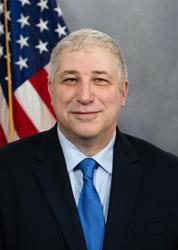
Rep. Jim Prokopiak
Sponsored bills
Maddy summaryHB 1081 imposes a temporary ban on cyber charter schools and their management companies from buying, leasing, or owning new property. The ban takes effect 60 days after the bill becomes law and does not apply to property already owned or acquired before that date. This policy directly affects cyber charter schools and the educational management service providers that operate them, restricting their ability to expand physical facilities through new property transactions. The bill does not impact existing buildings or operations of these schools.
Maddy summaryHB 1078 updates Pennsylvania's school health requirements to strengthen vision screening and eye health examinations for students. It mandates annual vision screenings by trained school personnel for all school-aged children, with comprehensive eye exams by licensed professionals required if screenings fail. The bill specifies that students must receive eye health exams upon school admission, in fourth grade, and eighth grade, and adds requirements for exams related to special education evaluations. Schools must notify parents of failed screenings and provide resources, but are not responsible for covering exam costs or treatment. This directly affects all public and nonpublic school students in Pennsylvania.
Maddy summaryHB 1060 increases annual maintenance payments for municipalities that received highway transfers under Pennsylvania's State Highway Law. It raises the base payment from $4,000 to $12,500 per mile for these transferred highways. Starting February 1, 2028, payments will automatically adjust every two years based on the Consumer Price Index (inflation rate), with the department calculating and publishing these adjustments. The bill directly affects municipalities managing highways transferred under Chapter 92 of the State Highway Law.
Maddy summaryHB 618, the Health Insurance Access Protection Act, prohibits health insurers from denying coverage or charging higher premiums based on a person's health condition, including preexisting conditions. This law applies to both individual and group health insurance policies, protecting enrollees and their dependents from discrimination in enrollment or pricing. The Insurance Department and Commissioner are tasked with enforcing these rules, and the bill includes penalties for insurers that violate the prohibitions.
Maddy summaryHB 755 requires health insurers in Pennsylvania (excluding grandfathered plans) to cover all preventive health services listed by the Insurance Department without cost-sharing, such as copays or deductibles. This directly affects insurers who must comply with the coverage rules and enrollees who gain access to preventive care like vaccinations and screenings at no extra cost. The bill empowers the Insurance Department to create and update the preventive services list through a public comment process (15+ business days) and enforce compliance with penalties for violations. It aligns with federal preventive care standards but allows Pennsylvania to adjust the list based on public input and evidence-based guidelines.
Maddy summaryThis bill proposes a constitutional amendment allowing counties (of first and second class) to create special property tax exemptions for longtime owner-occupants in neighborhoods where home values have risen significantly due to renovations or new construction nearby. It would let local governments establish uniform tax rules for these homeowners without increasing overall property tax rates to fund the exemptions. The amendment requires approval by the General Assembly and then a vote by Pennsylvania voters before taking effect.
Maddy summaryThis resolution (HR 138) orders Pennsylvania’s Joint State Government Commission to study civic education in the state and develop cost-effective recommendations to improve it. It directly affects Pennsylvania students and schools by requiring an analysis of current civics assessments (under Act 35 of 2018), comparisons with high-performing states, and strategies to strengthen civic education across three pillars: knowledge, skills, and action. The study must include evaluations of existing assessment methods, successful models from other states, and approaches to boost student engagement, with a report due within 18 months. The resolution does not change laws but aims to inform future policy based on evidence.
Maddy summaryHB 777 requires Pennsylvania public school districts to pay education support professionals (like aides and clerical staff) a minimum hourly wage of $20 or a living wage based on cost-of-living adjustments, starting in the 2025-2026 school year. School districts must make supplemental payments to cover wage gaps for existing contracts below this rate through 2029-2030, with the Department of Labor setting and annually adjusting the living wage using the Consumer Price Index. The Department of Education will reimburse districts for these supplemental payments, adding the reconciled amount to their annual funding allocation. This applies directly to over 500 school districts and their education support staff, ensuring wage standards align with inflation.
Maddy summaryHB 914 amends Pennsylvania's Landlord and Tenant Act to limit annual rent increases for regulated rental units, directly affecting tenants and landlords in these properties. It establishes an annual rent increase allowance calculated as the lesser of CPI-U plus 3% or 6% of base rent (excluding discounts), effective July 1-June 30 each year. Landlords may not exceed this allowance plus any unused "banked amount" when raising rent on lease renewals or new leases, with a 10% cap on increases. For capital improvements costing 40%+ of a unit's value, landlords can petition courts for additional rent increases to cover actual costs, but only if proven necessary for a "fair return" on investment. The Pennsylvania Housing Finance Agency administers the annual allowance calculation and public publication.