

Maddy summaryHB 1055 creates a new criminal offense in Pennsylvania for threatening healthcare workers, specifically targeting threats intended to interfere with their duties. It defines the crime as knowingly making oral/written threats against healthcare practitioners, technicians, or hospital security officers, with penalties escalating from a minor violation for a first offense to a third-degree misdemeanor for repeat offenses. The law requires healthcare facilities to post clear notices about this offense at all public entrances, and a person cannot be convicted if the notice wasn’t displayed (unless they knew about the offense). This bill directly affects anyone making threats against covered healthcare workers in Pennsylvania, aiming to protect them from intimidation during work.
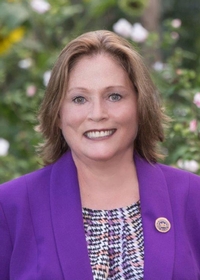
Rep. Jeanne McNeill
Sponsored bills
Maddy summaryThis bill amends Pennsylvania's 1929 Administrative Code to clarify the maximum size of the Pennsylvania State Police (4,310 total officers and enlisted members) and specifies that personnel assigned to the Pennsylvania Turnpike Commission, Delaware River Bridge Commission, and gaming enforcement do not count toward this limit. It also repeals an outdated reference in the Fiscal Code (Section 1733-E(3)) to align with this clarification. The change directly affects the State Police's staffing structure and reporting requirements. The bill makes a technical correction to existing law without creating new policies or changing operational responsibilities.
Maddy summaryThis resolution designates March 2025 as "Women's History Month" in Pennsylvania. It is a ceremonial measure with no binding policy changes, funding, or new programs. The resolution invites all Pennsylvanians to reflect on women's contributions to the state's and nation's economic, cultural, and social development. It does not affect specific groups or create legal obligations, as it is purely symbolic recognition.
Maddy summaryThis is a ceremonial resolution (not a bill with policy changes) passed by the Pennsylvania House of Representatives. It formally recognizes the observance of Ramadan (March 1-30, 2025) and Eid al-Fitr, a significant religious period for Muslims involving fasting, reflection, and community celebration. The resolution has no legal effect or impact on laws, policies, or individuals - it simply acknowledges the Muslim community’s religious observance. As a symbolic gesture, it does not impose requirements or alter rights.
Maddy summaryHB 618, the Health Insurance Access Protection Act, prohibits health insurers from denying coverage or charging higher premiums based on a person's health condition, including preexisting conditions. This law applies to both individual and group health insurance policies, protecting enrollees and their dependents from discrimination in enrollment or pricing. The Insurance Department and Commissioner are tasked with enforcing these rules, and the bill includes penalties for insurers that violate the prohibitions.
Maddy summaryHB 404 amends Pennsylvania's Insurance Company Law to extend health insurance coverage for children under family policies. It requires policies to cover dependent children up to age 26 (previously 19) and prohibits insurers from denying or restricting coverage based on a child's financial dependency, residency, marital status, school enrollment, or employment. The bill also allows group health plans to extend coverage for adult children up to age 29 if they meet specific conditions, such as not being married, having no dependents, and residing in Pennsylvania or attending school full-time. This affects all health insurance policies sold in Pennsylvania that provide dependent child coverage.
Maddy summaryHB 1036 adds a new exemption in Pennsylvania vehicle registration fees for active volunteer first responders. It allows volunteer emergency medical, fire, and rescue service members to pay a $10 processing fee instead of the full registration fee for vehicles they own and primarily drive while responding to emergencies. The exemption applies only to one passenger car or light truck per person and requires the volunteer to be the vehicle's owner and principal driver. This change directly affects volunteer emergency service organizations and their members who use personal vehicles for official emergency responses.
Maddy summaryHB 1003 establishes Pennsylvania's Veterans' Housing Assistance Program to provide rental assistance to homeless or at-risk veterans. It directly affects veterans who served honorably in the U.S. Armed Forces and are identified as homeless or facing imminent homelessness by the Department of Military and Veterans Affairs. The program provides rental vouchers (financial assistance) to cover monthly rent and utilities, while the Pennsylvania Housing Finance Agency coordinates housing ombudsman services to negotiate leases and resolve credit issues, and the Department of Military and Veterans Affairs identifies eligible veterans and sets implementation guidelines. Veterans must apply through the Department or Agency and may be required to participate in supportive services like mental health counseling or job training to receive assistance.
Maddy summaryHB 1002 requires Pennsylvania public and private schools to notify parents or legal guardians when a student threatens suicide or is involved in bullying (as defined in state law). Schools must adopt a written policy for these notifications, keep records of each notification (exempt from public records requests), and provide parents with suicide prevention resources, including information on limiting access to firearms or medication. Students can request copies of their own records under this policy and, after graduating high school, ask for those records to be permanently removed. The bill takes effect for the 2026-2027 school year.
Maddy summaryHB 1004 amends Pennsylvania's 1971 Tax Reform Code to increase annual limits on research and development (R&D) tax credits. It raises the total annual credit cap from $60 million to $120 million, with $24 million specifically reserved for small businesses (up from $12 million). Unused allocations for either small businesses or other qualifying businesses can roll over to the other group within the same fiscal year. The changes take effect 60 days after the bill's passage.