

Maddy summaryHB 1828 requires health insurance plans in Pennsylvania to cover all recommended vaccines without requiring patients to pay out-of-pocket costs like copays or deductibles. It directly affects insurance companies by mandating this coverage and patients who rely on insurance for routine immunizations (e.g., childhood vaccines, flu shots). The bill adds penalties for insurers that fail to comply with the coverage requirement. This policy change ensures broader access to vaccines by removing financial barriers under insurance plans.
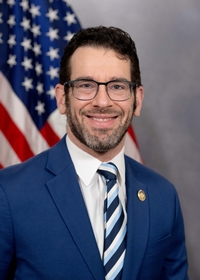
Rep. Mike Schlossberg
Sponsored bills
Maddy summaryHB 2004 creates a special account to hold emergency funds for SNAP benefits, which provide food assistance to low-income residents. The bill requires the Department of Human Services, the Secretary of the Budget, and the State Treasurer to transfer these funds to pay SNAP recipients. This establishes a dedicated funding mechanism specifically for emergency SNAP benefit payments. The bill directly affects SNAP recipients by ensuring a streamlined process for receiving benefits during emergencies.
Maddy summaryThis resolution designates November 10, 2025, as the "250th birthday of the United States Marine Corps" for observance in Philadelphia, Pennsylvania - the location where the Corps was founded. It has no binding effect on policy or funding but formally recognizes this historical milestone. The resolution was adopted by Congress on October 29, 2025, following committee review. It directly affects commemorative observances in Philadelphia and the Marine Corps community.
Maddy summaryHB 608 amends Pennsylvania's animal cruelty law (Title 18) to adjust penalties based on the severity of harm caused to animals. It classifies most cruelty violations as summary offenses, but raises penalties to a second-degree misdemeanor if the act causes bodily injury or imminent serious injury to an animal. The bill specifically increases penalties for unauthorized ear cropping (cutting ears without a licensed vet), making it a second-degree misdemeanor for a first offense and a first-degree misdemeanor for repeat violations. This directly affects individuals who mistreat animals, particularly those performing prohibited ear cropping procedures.
Maddy summaryHR 357 establishes a legislative Hunger Task Force to study hunger, food insecurity, and access to healthy food within the Commonwealth. The task force will analyze these issues and develop findings and recommendations for state policymakers. This resolution affects state-level planning and future policy decisions but does not create new laws or programs. It is a procedural step to guide potential future legislative action on food access.
Maddy summaryThe bill title contains a factual inconsistency: Pennsylvania's criminal code (Title 18) does not govern animal welfare practices like declawing. Declawing prohibitions are typically addressed in animal welfare statutes (e.g., Title 34), not criminal offenses. The title incorrectly lists "prohibition on declawing cats" under a criminal code amendment, which would be legally inaccurate. Therefore, a meaningful summary of the bill's actual provisions cannot be provided based on this erroneous title description.
Maddy summaryHB 1989 creates the Keystone National Finance Authority to manage economic development financing in Pennsylvania. This new state agency will replace existing mechanisms under Title 64 for issuing bonds and providing loans to support projects like job creation, infrastructure, and business growth. It directly affects state agencies, local governments, and businesses seeking financing for qualifying economic development initiatives. The bill establishes clear processes for the authority to approve projects, issue debt, and manage funds, streamlining how financing is accessed for public and private development efforts.
Maddy summaryHB 1975 would amend Pennsylvania law to expand assault protections for emergency responders (including police, EMTs, and firefighters) beyond just law enforcement officers. The bill makes discharging a firearm at an emergency responder while they are on duty a first-degree felony (up to 40 years in prison), and intentionally exposing them to bodily fluids (blood, saliva, etc.) a third-degree felony, with a second-degree felony penalty if the fluids come from someone with a reportable disease. It directly affects all emergency responders performing their duties and would change sentencing for these specific assault offenses. The bill is pending in the Judiciary Committee as of its October 2025 introduction.
Maddy summaryHB 1968 proposes to amend Pennsylvania's Title 42 (Judiciary and Judicial Procedure) to clarify and expand legal rights for individuals in court proceedings, while establishing penalties for violations of these rights. It directly affects people involved in judicial cases, including plaintiffs, defendants, and legal entities, by altering the scope of their legal protections and consequences for breaches. The bill's key mechanism involves updating statutory language to define specific personal rights and prescribe enforcement penalties, though the exact rights and penalty levels are not detailed in the title. Without the full bill text, precise policy changes cannot be described beyond the title's scope.
Maddy summaryHB 145 amends Pennsylvania's unemployment compensation law to clarify when workers lose eligibility for benefits. It directly affects claimants who voluntarily leave jobs, adding specific protections: workers cannot be disqualified for leaving due to disability if suitable work is available, for joining or staying in a union, or to accompany a military spouse relocating due to active duty orders. The bill defines "suitable employment" as work requiring similar skills and paying at least 80% of a worker's previous average weekly wage. These changes aim to prevent unfair disqualifications while maintaining the law's core purpose of providing benefits to eligible unemployed workers.