

Maddy summaryThis Pennsylvania House Resolution designates October 2024 as "Crime Prevention Month" to raise awareness about crime and safety within the state. The measure encourages residents, local law enforcement, schools, and businesses to collaborate on initiatives that promote personal safety and community engagement. By officially recognizing this month, the resolution aims to foster a shared sense of responsibility among citizens to work together toward reducing crime.
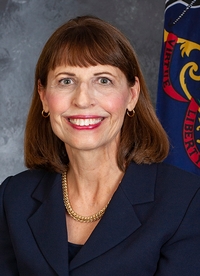
Rep. Milou Mackenzie
Sponsored bills
Maddy summaryThis bill updates Pennsylvania laws to better handle child custody issues when a parent is deployed for military service. It repeals older rules that restricted custody changes during deployment and replaces them with the Uniform Deployed Parents Custody and Visitation Act. Under the new provisions, courts can temporarily assign custody to family members if a deployed parent requests it, provided this arrangement does not exceed the original custody rights and serves the child's best interest. Additionally, the law ensures that a parent's absence due to deployment cannot be used as a reason to change custody or that their absence is not considered when deciding what is best for the child.
Maddy summaryThis bill updates Pennsylvania vehicle laws to clarify that multipurpose agricultural vehicles do not require registration if they are used exclusively on farms owned or operated by the same person. Specifically, it allows these vehicles to travel between different parts of a single farm or between two farms located within ten miles of each other without needing to be registered. The change aims to simplify administrative requirements for farmers who operate these types of vehicles within their own agricultural properties. The new rules will become effective 60 days after the bill is enacted.
Maddy summaryThis bill authorizes the Pennsylvania Department of Transportation to purchase or lease aircraft for official government use, with costs charged to the agencies or the General Assembly that utilize them. To ensure accountability, the legislation requires public officials to sign declarations confirming flights are exclusively for official business and prohibits lobbyists and their principals from riding on these planes. Additionally, the department must maintain a publicly accessible online log detailing trip purposes, such as event names and meeting attendees, while restricting out-of-state flights to emergency situations only.
Maddy summaryThis bill updates Pennsylvania's divorce laws to create a more efficient legal process while prioritizing the welfare of families and children. It removes requirements for mandatory counseling and jury trials, expands the definition of what counts as living separately, and clarifies how courts should handle property division and financial support based on actual need and ability to pay. The legislation also repeals old rules regarding defenses like collusion and mental disorder, streamlining how courts issue final divorce decrees.
Maddy summaryThis bill amends Pennsylvania's Public School Code to allow students attending private schools to join extracurricular activities offered by their local public school districts, provided the private school does not offer the same activity and the student meets all participation requirements. The legislation directly affects private school families and public school districts by creating a pathway for these students to participate in sports and other school organizations. The key mechanism is a new provision in Section 511 of the code that establishes these eligibility rules without changing existing laws for public school students. The bill is set to take effect 60 days after it is signed into law.
Maddy summaryThis Pennsylvania House Resolution officially recognizes March 8, 2024, as International Women's Day within the state. The measure aims to honor the diverse accomplishments and aspirations of women by encouraging residents to participate in related events and activities. It highlights the significant contributions of women in various fields, including government, science, and the arts, while specifically noting the increased number of women in Pennsylvania's legislative leadership roles.
Maddy summaryThis bill modifies Pennsylvania law to allow stormwater management authorities to set reasonable and uniform rates based on property characteristics. These rates can include fees for installing and maintaining best management practices that are approved and inspected by the authority. Additionally, the bill permits agricultural operations to use best management practices approved by the USDA Natural Resources Conservation Service or the State Conservation Commission when calculating these fees. The changes apply specifically to municipal authorities responsible for stormwater planning, management, and implementation. The legislation will take effect 60 days after it is passed.
Maddy summaryThis bill allows Pennsylvania second-class townships to charge fees to fund the construction, maintenance, and operation of storm water management systems. The fees can be based on the properties that benefit from these facilities but must not exceed the minimum amounts required by federal and state environmental laws. Townships are required to offer exemptions or credits to property owners who install and maintain approved storm water facilities, including those following best management practices for normal agricultural operations. The legislation takes effect 60 days after being signed into law.
Maddy summaryThis bill establishes a Taxpayer Dividend Program in Pennsylvania to refund a portion of state budget surpluses to resident individual taxpayers. The program would distribute funds from the General Fund and the Budget Stabilization Reserve Fund to individuals who filed and paid taxes for the 2023 tax year. Money taken from the General Fund is limited to the existing surplus, while withdrawals from the Rainy Day Fund require a two-thirds legislative vote and must leave at least 6% of the fund's value intact. The Department of Revenue is tasked with identifying eligible recipients and processing payments, with the goal of returning accumulated surplus money rather than using it for expanded government spending.