

Maddy summaryHB 1407 updates Pennsylvania's teacher certification rules, effective July 1, 2027. It establishes new grade spans for certificates: "Primary" (pre-K through grade 6), "Secondary" (grades 7-12), and "Specialized" (pre-K through grade 12). Current teachers with early childhood certificates can add grades 5-6 by passing an assessment or earning continuing education credits, while those with elementary/middle certificates can expand to grades 7-12 using similar pathways. The bill also requires teacher preparation programs to adjust coursework and field placements for early childhood certification, and abrogates outdated regulations inconsistent with these changes.
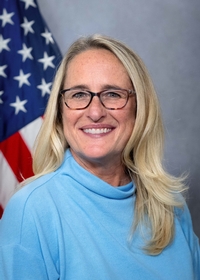
Rep. Jacklyn Rusnock
Sponsored bills
Maddy summaryThis bill converts an existing cosmetology training pilot program at career and technical centers (CTCs) into a permanent program under Pennsylvania's Public School Code. It requires participating CTCs and secondary schools to submit annual reports to the State Board of Cosmetology on training metrics. The legislation formalizes ongoing operations from the pilot phase, ensuring existing contracts, rules, and agreements remain valid without change. It directly affects career centers and schools offering cosmetology training within the state's public education system.
Maddy summaryHB 1626 establishes a pilot program allowing career and technical centers (CTCs) and secondary schools in Pennsylvania to offer barber training under the State Board of Barber Examiners. The bill requires participating schools to report student and program data annually by June 30 through 2025. It specifies the pilot program expires three years after enactment (2025) but allows conversion to a permanent program without disrupting existing contracts or rules established during the pilot. This directly affects CTCs and schools participating in barber training, creating a structured pathway for students seeking barbering credentials.
Maddy summaryHB 1719 creates the Individual Property Disaster Assistance Fund to help Pennsylvania residents and municipalities repair property damage from disasters not covered by federal aid. The fund provides grants for individuals (with restrictions for flood-prone properties without required insurance) and municipalities affected by declared local or state disasters. Applicants must submit detailed requests through the Pennsylvania Emergency Management Agency, including property damage dates and eligibility verification. Funds operate on a first-come, first-served basis with potential caps or usage restrictions set by the agency. This replaces the previous Public Disaster Assistance Grant Program and specifically targets unmet needs where federal disaster declarations are absent.
Maddy summaryHB 1711 creates a program that pays vendors who supply concrete with at least 20% lower carbon emissions than the regional average for state-funded construction projects. The concrete must be verified through an environmental product declaration, and vendors must deliver at least 50 cubic yards (or equivalent precast) for qualifying projects. The Pennsylvania Department of General Services will manage the payments, which are intended to incentivize lower-carbon concrete use. This bill directly affects state procurement agencies and concrete suppliers working on Commonwealth-funded projects.
Maddy summaryHB 1717 amends Pennsylvania law to exempt records held by volunteer emergency medical services (EMS), fire, and rescue companies from public access under the Right-to-Know Law. The exemption applies to these volunteer organizations as defined in existing statutes, directly affecting their operational and personnel records. However, if a volunteer group contracts with a Commonwealth or local agency, the Right-to-Know Law’s section 506(d) still applies to those records. The bill creates a clear exception for contracted services while otherwise shielding most volunteer emergency service records from public disclosure. It takes effect 60 days after enactment.
Maddy summaryHB 865 amends Pennsylvania's military education benefit programs to clarify definitions, eligibility rules, and procedures for recovering funds. It directly affects Pennsylvania military service members and their families who use the Educational Assistance Program and Military Family Education Program for education expenses. Key changes include updating eligibility criteria and establishing clearer processes for recouping grant payments if recipients no longer meet requirements. The bill, now Act No. 32 of 2025, was signed into law on July 7, 2025.
Maddy summaryHB 1103 updates Pennsylvania's mortgage lending rules under Title 7, focusing on licensing requirements and consumer protections for mortgage lenders. It clarifies definitions for mortgage loan industry terms and specifies the powers that licensed mortgage businesses can exercise. The bill directly affects mortgage lenders (who must comply with revised licensing standards) and borrowers (who gain clearer protections under the updated rules). Key changes include streamlining licensing procedures and strengthening safeguards against predatory lending practices.
Maddy summaryHB 1100 amends Pennsylvania's Human Services Code to allow public assistance recipients to use their benefits to purchase diapers and menstrual hygiene products through a new waiver program. This directly affects low-income individuals and families enrolled in public assistance programs who currently cannot use their benefits for these essential items. The key provision adds diapers and menstrual hygiene products to the list of eligible purchases under an administrative waiver, changing the existing code to expand access to basic necessities. The bill does not change benefit amounts or eligibility criteria but creates a new pathway for purchasing specific hygiene products. It passed the legislature in June 2025 and was referred to the Health & Human Services committee for implementation.
Maddy summaryHB 1650 establishes Pennsylvania's Home Preservation Grant Program, administered by the Department of Community and Economic Development. It provides grants to local governments (counties, cities, townships) to fund repairs and improvements on existing owner-occupied homes, targeting households earning 80-120% of the area median income. Grants can cover up to $50,000 per unit for habitability fixes, energy/water efficiency upgrades, or accessibility modifications, with local governments allowed to use up to 10% of funds for administration. Applications must demonstrate experience in housing rehabilitation and include plans for using funds per the bill's requirements, with priority given to projects leveraging additional funding sources.