

Maddy summaryHB 633 designates Bridge Key 8387, carrying Pennsylvania Route 53 over Patty's Run in Gallitzin Township, Cambria County, as the "USMCR Mary A. Lidwell Memorial Bridge." The bill honors Mary A. Lidwell, a former U.S. Marine Corps Women's Aviation Reserve Squadron member during WWII who later served her community in Ashville Borough. The Department of Transportation must install and maintain signs displaying the new name on the bridge. This is a commemorative act with no policy changes or direct impact on residents or regulations.
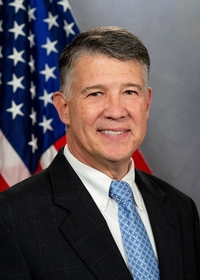
Rep. Jim Haddock
Sponsored bills
Maddy summaryHB 669 amends Pennsylvania's Election Code to establish standardized early voting procedures for all county elections. The bill requires counties to offer in-person early voting for 30 days before each election (ending the day before Election Day), with specific operating hours: weekday mornings to mid-afternoon, extended hours on the final weekend, and additional holiday hours. It mandates county boards to set up permanent early voting locations based on population size (e.g., at least one location in each of the three largest municipalities in counties over 250,000 people). This directly affects all registered Pennsylvania voters by expanding access to early voting through structured, location-based provisions.
Maddy summaryHB 682 requires all Pennsylvania public school entities (including districts, charter schools, and career schools) to install functioning air conditioning in every student-occupied area - like classrooms, cafeterias, and libraries - by the start of the 2028-2029 school year. Schools unable to meet this deadline must submit a compliance plan to the Department of Education by August 1, 2028. Until AC is installed, schools must implement a temperature control plan ensuring indoor temperatures stay between 72°F and 79°F when heating isn't needed, and close areas if temperatures exceed 88°F. This plan must be updated annually and submitted to the Department of Education until installation is complete. The bill directly affects all public schools in Pennsylvania, aiming to improve student comfort and safety during hot weather.
Maddy summaryHB 98 creates a licensing system for electrical contractors, electricians, and apprentice electricians in Pennsylvania. It establishes the State Board of Electrical Licensure to set qualifications, require continuing education, mandate liability insurance, and enforce standards. The bill directly affects individuals and businesses performing electrical work in buildings, including installation, repair, and maintenance of electrical systems. Key provisions include setting licensing fees, imposing fines for violations, and creating enforcement mechanisms for the Board to suspend or revoke licenses. The bill also includes an appropriation for the Board's operations.
Maddy summaryHB 671 requires oil and gas companies and land brokers to use plain language in contracts with landowners for property leases or sales. It mandates contracts be written with short sentences, active verbs, clear definitions of industry terms, and easy-to-read formatting (like bold section headings and clear fonts). Landowners who sign non-compliant contracts can seek $10,000 in statutory damages, actual losses, attorney fees, and other remedies. The law applies to all new contracts or modifications signed on or after its effective date (one year after enactment) and excludes cases where landowners drafted the contract or companies made good-faith compliance efforts.
Maddy summaryHB 675 bans the sale or distribution of firefighting personal protective equipment (PPE) containing intentionally added PFAS chemicals in Pennsylvania starting January 1, 2028, directly affecting manufacturers, sellers, and distributors of such gear. The law includes an exception if the State Fire Commissioner determines PFAS use is unavoidable and issues official guidance. Violations carry civil penalties of up to $5,000 for first offenses and $10,000 for repeat offenses, with fines split equally between the Fire Company Grant Program and Emergency Medical Services Grant Program. This bill aims to reduce exposure to harmful PFAS chemicals while maintaining safety standards for firefighters.
Maddy summaryHB 641 requires individuals convicted of a "crime of violence" (as defined in the bill) and sentenced under Pennsylvania's second or subsequent offense provisions to serve 70% of their maximum sentence before becoming eligible for parole. This applies to serious offenses including murder, aggravated assault, sexual assault, robbery, and drug-related crimes resulting in death. The bill does not change the actual sentence length but modifies parole eligibility for repeat offenders in these categories. It affects only those convicted of specific violent crimes under the defined second or subsequent offense rules.
Maddy summaryHB 680 amends Pennsylvania's Clean Streams Law to clarify enforcement procedures for pollution cases. It specifies that cases involving sewage, industrial waste, or pollution can be filed either by the Attorney General or directly before district justices in the county where the offense occurred or the public was affected. This change simplifies the court process for environmental enforcement by streamlining jurisdiction and clarifying who represents the Commonwealth in appeals. The bill affects how pollution violations are handled in Pennsylvania courts, with no new environmental requirements.
Maddy summaryHB 654 amends Pennsylvania's State Lottery Law to expand access to the Pharmaceutical Assistance Contract for the Elderly Needs Enhancement Tier (PACENET). It raises the income eligibility thresholds for seniors: single individuals with annual incomes between $14,500 and $45,000, and married couples with combined incomes between $17,700 and $55,000, will now qualify. The bill also allows applicants to round income amounts to the nearest whole dollar when reporting. This change directly affects Pennsylvania seniors who rely on PACENET for subsidized prescription drugs by making the program available to more low-to-moderate-income elderly residents.
Maddy summaryHB 77 updates Pennsylvania's food protection laws to align with the 2022 FDA Food Code. It requires retail food facilities (like restaurants and grocery stores) to prominently display employee allergy awareness posters detailing major allergens and symptoms, and to include allergen information on menus or written materials for customers. The bill also revises definitions of "potentially hazardous food" and mandates that the Pennsylvania Department of Agriculture adopt the FDA Food Code standards, with updates published in the Pennsylvania Bulletin. The law takes effect 60 days after enactment.