

Maddy summaryThis bill changes Pennsylvania's medical assistance rules for nursing home residents. It allows eligible individuals to keep more of their personal money by adjusting how personal needs costs (like toiletries or small purchases) are deducted from their benefits. The key provision modifies the deduction calculation so residents' own funds aren't reduced when covering these daily expenses. This directly affects nursing home residents qualifying for state medical assistance programs.
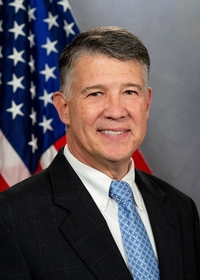
Rep. Jim Haddock
Sponsored bills
Maddy summaryHB 1847 names a specific bridge on Pennsylvania Route 729 over Gazzam Run in Jordan Township, Clearfield County (Bridge Key 11527) as the "PFC Raymond Lee McGarvey Memorial Bridge." This bill directly affects the location by changing its official designation to honor PFC Raymond Lee McGarvey, a military service member. As a ceremonial resolution, it involves no policy changes or funding, solely commemorating an individual through a bridge naming. The bill is currently referred to the Transportation committee for consideration.
Maddy summaryHB 257 updates Pennsylvania laws across multiple transportation and gaming areas. It creates new rules for minor driver licensing (including junior licenses and learners' permits), adds penalties for drug delivery on transit, and allows operating controlled substance injection sites near public transit infrastructure. The bill also adjusts interactive gaming taxes, establishes a new highway funding account for state routes, and defines terms for sustainable mobility programs. These changes directly affect drivers (especially minors), transit operators, gaming businesses, and local transportation authorities.
Maddy summaryHB 1580 requires employers to implement specific heat safety measures, including providing cooling breaks and access to water, to protect employees working in conditions causing heat stress. It directly affects workers in outdoor and high-heat environments, such as construction, agriculture, and manufacturing. The bill establishes a new Heat Protection Enforcement Fund to support Department of Labor and Industry oversight and imposes penalties for non-compliance. Key provisions mandate employer action plans, define heat illness prevention protocols, and assign enforcement duties to the Department of Labor and Industry.
Maddy summaryHB 1818 proposes a constitutional amendment in Pennsylvania that would establish a fundamental right for all citizens to carry, own, and transfer firearms without any licensing, permits, or government restrictions. It would remove all existing requirements for carrying firearms openly or concealed, possessing, purchasing, or transferring firearms, including for self-defense devices. The bill must pass both legislative chambers and then be approved by voters in a general election to become part of the state constitution. As of now, it has only been referred to the Judiciary Committee and is not yet law.
Maddy summaryHB 1816 regulates pet shops and kennels that handle dogs, cats, and rabbits. It prohibits specific practices like selling animals without health records and requires shops to maintain clean facilities, provide adequate food/water, and display clear pricing. The Department of Agriculture must enforce these rules, conduct inspections, and impose fines for violations. This bill directly affects businesses operating pet shops and kennels in the state, mandating new operational standards and penalties for noncompliance.
Maddy summaryThis bill is a symbolic resolution designating September 15-October 15, 2025, as "Hispanic Heritage Month" in Pennsylvania. It does not create new laws or policies, nor does it directly affect specific individuals or groups. The resolution serves only to recognize and honor Hispanic heritage and contributions within the state during that timeframe. As a procedural measure, it requires no funding or implementation mechanisms.
Maddy summaryHB 1808 establishes a workfare pilot program for Temporary Assistance for Needy Families (TANF) recipients in Pennsylvania's fourth and fifth class counties. The program requires recipients to work 40 hours per week for an employer while gradually reducing cash assistance: initially receiving benefits alongside pay for 20 hours of work, then up to 70% of benefits with pay for 30 hours after six months, and finally full pay for 40 hours with cash assistance termination after 12 months. It applies only to the pilot counties and does not alter existing TANF eligibility rules. The bill mandates the department to implement the program within six months of its effective date.
Maddy summaryHB 1802 requires all health insurance policies issued in Pennsylvania to cover FDA-approved COVID-19 vaccines with no cost-sharing for enrollees. This applies to insurers offering policies covering medical care (excluding accident-only, dental, or Medicare supplement plans), and mandates that government programs like Medicaid must also provide this coverage without deductibles, copays, or coinsurance. The bill defines "cost-sharing" to exclude premiums but includes standard out-of-pocket expenses, ensuring vaccines remain fully covered. It takes immediate effect and prevents insurers from reducing or eliminating this coverage for existing policies. This directly affects Pennsylvania residents with health insurance and the insurers providing those plans.
Maddy summaryHB 1795 requires payroll processing businesses to provide proof of fidelity insurance and surety bonds. This bill directly affects payroll processors by mandating these financial safeguards to cover potential losses from errors or misconduct. The legislation also establishes penalties for processors who fail to meet these requirements. The bill is currently pending in the Labor & Industry committee.