

Maddy summaryThis Pennsylvania bill establishes a temporary program allowing businesses to receive tax credits for donations to scholarship and educational improvement organizations. The legislation sets specific annual spending limits for these credits, which are available only for fiscal years before 2027-2028, and creates a new restricted account to track the funds. It also defines various terms related to the program, including assessments and business firms, while assigning oversight duties to several state departments.
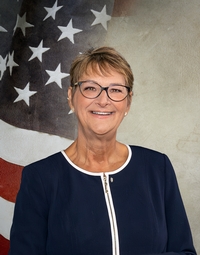
Rep. Maureen Madden
Sponsored bills
Maddy summaryThis bill creates a new Cybersecurity Coordination Board within the Pennsylvania Office of Administration to improve state cybersecurity efforts. The board will collect and share security information, advise the Governor on best practices, and coordinate with federal agencies, local governments, and private sector partners. Its membership includes representatives from key state offices, elected officials, local government leaders, and three appointed cybersecurity experts. The board will also invite federal agency representatives to serve in advisory roles and will elect its own leadership while appointing an executive director to manage its daily operations.
Maddy summaryThis bill updates the Pennsylvania Public Utility Code by formally defining "commercial data centers" and refining the legal definition of "public utility." It specifically categorizes large data facilities with a peak demand of 25 megawatts or more as commercial data centers, while simultaneously clarifying that such facilities are not considered public utilities if selling electricity to the grid is not their primary business. These changes aim to provide clearer regulatory boundaries for utility providers and data center operators without altering existing operational requirements.
Maddy summaryThis resolution directs the Joint State Government Commission to study pretrial detention practices and the number of people held before trial in the Commonwealth. It requires the commission to issue a report on the current status of these practices and populations. The study will inform future policy decisions but does not change existing laws or affect individuals directly. This is a procedural resolution, not a legislative measure with immediate effects.
Maddy summaryThis bill establishes the Pennsylvania Maternal and Infant Outcome Measures Survey Program within the Department of Health to collect data on the health experiences of mothers and babies. The program will conduct surveys of individuals who have recently had a live birth to gather information on their behaviors, attitudes, and experiences before, during, and after pregnancy. The Department of Health is authorized to use available funding, including federal money, and may hire outside contractors to run the survey while ensuring all personal data remains confidential. Additionally, the bill allows the department to share de-identified survey results with researchers and publish them in public reports to help improve maternal and child health outcomes.
Maddy summaryHB 2234 creates a tax credit for Pennsylvania breweries that donate spent grain byproduct (leftover grain from brewing) to local farms. Breweries can claim a credit of $0.16 per pound of dry weight donated, up to $30,000 annually or their total tax liability, if the grain is delivered to farms within 100 miles. The credit applies to donations made to "eligible agricultural operations" engaged in normal farming activities under Pennsylvania law. Applications must be submitted by February 1 each year for the prior year's donations, with the Department of Revenue reviewing eligibility and coordinating with the Liquor Control Board. This directly benefits breweries and farms participating in the program by reducing brewery tax bills while repurposing brewing waste.
Maddy summaryHB 2162 amends Pennsylvania's Wholesale Prescription Drug Distributors License Act to clarify definitions and license application requirements. It specifically defines "virtual manufacturer" as a business that doesn't physically handle drugs in Pennsylvania but has FDA approval processes underway, including submitting or planning to submit FDA applications within 12 months. The bill adds new application requirements: manufacturers of unapproved drugs must state they've applied to or plan to apply to the FDA within 12 months, and virtual manufacturers must provide similar documentation. Crucially, it states the state department cannot require FDA approval as a condition for licensure. This directly affects drug distributors operating under the "virtual manufacturer" model and unapproved drug manufacturers seeking state licenses.
Maddy summaryHB 426, the Native Habitats at Commonwealth Facilities Act, requires Pennsylvania state agencies to prioritize native plants (untreated with systemic insecticides) in landscape projects at state facilities. Agencies must consider environmental benefits like supporting pollinators, reducing soil erosion, and conserving water when planning such projects. The bill defines a "pollinator meadow" as an area with at least 50% native wildflowers, including milkweed seed, and protected from insecticides. This applies to Commonwealth agencies (e.g., state departments and offices) but excludes judicial and legislative bodies, and also sets duties for the Department of Conservation and Natural Resources regarding pollinator habitats.
Maddy summaryHB 138 amends Pennsylvania laws governing adoption proceedings and juvenile cases. It changes the legal grounds for ending parental rights before an adoption petition is filed and updates how courts handle children deemed dependent (in need of care). The bill specifically targets procedures in domestic relations (Title 23) and court processes (Title 42) related to these cases. No specific new provisions or changes are detailed in the provided context beyond the title's description of its scope. The bill is currently under review by the Children & Youth committee.
Maddy summaryHB 1117 amends Pennsylvania's 1929 Administrative Code to redefine the Department of Drug and Alcohol Programs' responsibilities for addressing substance use disorders. The department must now develop a comprehensive State plan coordinating prevention, treatment, research, and education across all state agencies and local communities - including health, law enforcement, education, and workforce sectors - to avoid duplication. The plan requires annual review and updates, and mandates the department to provide assistance to local governments while collaborating with medical professionals on drug use guidelines. This change formalizes existing coordination efforts under a unified framework, directly affecting state agencies and local entities managing substance use disorder services.