

Maddy summaryHB 1490 creates a pilot program allowing eligible Certified Registered Nurse Practitioners (CRNPs) to practice independently in Pennsylvania's health professional shortage areas. To qualify, CRNPs must hold a current license, have no disciplinary actions in the past five years, and complete 3,600 hours of collaborative practice with a physician in primary care (family, internal medicine, gynecology, or pediatrics) within the last five years. Under the program, participating CRNPs can prescribe medications and practice without a collaborative agreement in shortage areas, but must disclose their non-physician status to patients and notify the board if they change practice settings. The program requires biennial renewal with 10 hours of additional patient safety continuing education and limits practice to primary care within designated shortage areas.
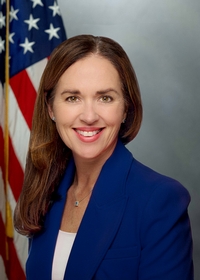
Rep. Bridget Malloy Kosierowski
Sponsored bills
Maddy summaryHB 1200 establishes a comprehensive framework for the regulation and treatment of cannabis in Pennsylvania. It creates state-run Pennsylvania Cannabis Stores for sales and a licensing system for private cannabis businesses, including cultivators, processors, and transporters. The bill also provides for the expungement of certain past cannabis convictions and includes provisions for social and economic equity initiatives. It establishes a cannabis excise tax, dedicating revenue to funds for community reinvestment and substance use disorder prevention, and assigns oversight duties to state agencies like the Liquor Control Board.
Maddy summaryHB 1376 amends Pennsylvania's Public School Code to establish standards for school-based health centers in public, private, and parochial schools. It requires these centers to provide accessible care without denying services based on payment ability, insurance status, or health conditions, while coordinating with students' existing primary care providers. Centers must offer a full range of services with proper parental consent, minimize barriers to care, and maintain confidentiality per federal law. The bill also creates a statewide advisory council and a department liaison to oversee implementation and ensure centers align with student needs like age, demographics, and community resources.
Maddy summaryHB 1301 requires all health insurance policies sold in Pennsylvania to cover pre-exposure prophylaxis (PrEP) and post-exposure prophylaxis (PEP) HIV medications, along with associated lab tests and doctor visits for counseling or prescription, with no copays, deductibles, or coinsurance. It prohibits insurers from placing PrEP/PEP services in specialty tiers for profit and bans requiring specialist counseling unless medically necessary. The law applies to all health insurance policies issued or renewed in Pennsylvania after its effective date (60 days from passage), including group and individual plans regulated under state insurance laws. This directly affects Pennsylvanians with health insurance who need HIV prevention or treatment services, ensuring full coverage without out-of-pocket costs.
Maddy summaryHB 269 amends Pennsylvania's Controlled Substance Act to improve access to overdose response information. It requires the Department of Health to develop free online training materials, posters, and pamphlets about recognizing opioid overdoses and using reversal medications (like naloxone), with the materials available in multiple languages upon request. Specific public entities - including Commonwealth agencies, transit authorities, municipalities, and local transportation organizations - must display the poster in conspicuous public locations, such as bathrooms or lobbies. The Department covers all printing and distribution costs, and entities already displaying equivalent materials may substitute them with prior notice. This bill focuses on education and resource accessibility, not changing drug laws or medication access.
Maddy summaryThis House Resolution designates May 2025 as "Nurses Month" in Pennsylvania to honor the contributions of nurses across the state. It highlights nurses' critical roles during the pandemic, their daily patient care responsibilities, and their impact on community health without creating new legal requirements or funding. The resolution serves as a symbolic gesture of appreciation for the nursing profession, which includes registered nurses, licensed practical nurses, and other specialized roles.
Maddy summaryHB 1310 amends the Human Services Code to modify how medical assistance payments are determined for institutional care in nursing facilities. The bill specifically adjusts the application of a "revenue adjustment neutrality factor" to payment rates for county and nonpublic nursing facilities. Beginning July 1, 2025, the factor for nonpublic facilities must be equal to or greater than 0.90, while for county facilities, it will be 1.00 plus the percentage rate of change applied to nonpublic facilities. This change directly affects these nursing facilities and the eligible individuals receiving care within them.
Maddy summaryHB 409 amends Pennsylvania's Patient Test Result Information Act to require healthcare providers to give patients written notice at the time of diagnostic imaging services (like X-rays, MRIs, and ultrasounds) about how to access their results, including online portals or mail (with a possible fee for mailing). It also mandates a follow-up notice within 20 days if a significant abnormality is found, including details like the test date and ordering doctor's name, unless exceptions apply. Exceptions include routine obstetrical ultrasounds, inpatient or emergency care, diagnostic radiographs (X-rays), and patients with chronic conditions who were previously notified. This bill directly affects patients receiving diagnostic imaging and the healthcare facilities performing these services.
Maddy summaryHB 1254 clarifies and updates Pennsylvania's laws regarding advance health care directives, specifically strengthening the legal framework for "Pennsylvania orders for life-sustaining treatment" (POLST) and out-of-hospital do-not-resuscitate (DNR) orders. The bill adds criminal penalties for falsifying, forging, or tampering with these documents, or for concealing a patient's revocation of them. It also specifies that emergency medical services must follow valid POLST or DNR orders when present, providing standard care only when no such order exists. This directly affects patients with advance directives, their families, and health care providers who must comply with these legal documents.
Maddy summaryHB 1242 requires Pennsylvania's Department of Health to establish a bone marrow donor recruitment program that educates residents about registering with the National Marrow Donor Program and the bone marrow donation process. The program will develop and share electronic materials - including website content and machine-readable codes - at state websites, driver's license offices, and healthcare facilities to explain donor eligibility, registration steps, and donation procedures. This bill directs the state to provide accessible information to help Pennsylvanians understand how to become bone marrow donors, with a focus on increasing participation from diverse ethnic backgrounds.