

Maddy summaryHB 1499 updates Pennsylvania's child custody laws under Title 23. It clarifies definitions, establishes clearer rules for awarding primary physical custody, and requires courts to consider criminal convictions when making custody decisions. The bill also mandates parenting plans and specifies factors judges must evaluate, directly affecting parents, judges, and child welfare agencies involved in custody cases. The legislation was recently referred to the Judiciary Committee on May 28, 2025.
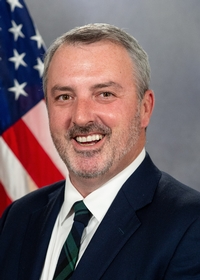
Rep. Kyle Donahue
Sponsored bills
Maddy summaryThis bill increases monthly pension payments for two groups of Pennsylvania veterans: 1) Blind veterans (defined as those with 3/60 or 10/200 vision or worse from service-connected injuries) now receive $200/month (up from $150). 2) Amputee/paralyzed veterans (with two limbs at ≥40% disability rating per VA standards) now receive $200/month (up from $150). Eligibility requires Pennsylvania residency at enlistment or current residence, honorable military service, and VA-certified disability. The change takes effect 60 days after enactment.
Maddy summaryHB 79 requires hospitals to establish clear financial assistance programs for patients who cannot afford care, including standardized forms and easily accessible information about eligibility and coverage. It mandates that hospitals publicly share details about their financial aid policies and report their program rules to the Department of Health. These requirements directly affect hospitals operating in the state and patients seeking financial help with medical bills. The bill aims to standardize and increase transparency in hospital financial aid offerings.
Maddy summaryHB 926 requires healthcare facilities to establish violence prevention committees to address workplace violence. These committees must develop safety plans, and facilities must report violent incidents to the Department of Labor and Industry. The Department gains authority to enforce compliance, impose fines, and issue administrative penalties for violations. This bill directly affects hospitals, clinics, and all healthcare workplaces covered under state labor regulations.
Maddy summaryHB 1062 creates a statewide system for tracking neighborhood blight by requiring municipalities to collect data on property maintenance violations. It establishes a Property Maintenance Code Serious Violations Registry to list properties with repeated severe maintenance issues and a dedicated funding account to support blight remediation efforts. The bill directly affects Pennsylvania municipalities, property owners, and landlords in areas designated as blighted, providing local governments with standardized data to target enforcement. Key provisions include mandatory data collection by cities/towns, a centralized registry for serious violations, and dedicated funding through the new account to aid property rehabilitation. If enacted, this would standardize blight reporting and funding across Pennsylvania communities.
Maddy summaryHB 1263 establishes Pennsylvania's Keystone Saves Program, creating a state-run savings initiative for low-to-moderate income residents. The bill sets up a dedicated program fund and administrative fund managed by the Treasury Department, which will handle investments while adhering to fiduciary responsibilities. An advisory board will oversee program implementation and ensure it meets the needs of participants. This program directly affects eligible Pennsylvanians by providing a structured savings option, with the Treasury Department responsible for managing funds and investments.
Maddy summaryHB 504, the Community Energy Act, establishes a framework for third-party-owned community energy projects (like solar gardens) in Pennsylvania. It requires electric distribution companies to connect these facilities, provides bill credits to subscribers (homeowners, renters, and businesses) for energy generated, and ensures guaranteed savings by linking subscription payments to bill reductions. Key provisions include setting size limits (max 5,000 kW for most facilities), mandating that at least 50% of subscriptions come from small users or farms, and requiring fair wages for construction workers. The bill directly affects electric companies (with new connection duties), community energy organizations (as owners/operators), and subscribers (who gain access to shared renewable energy).
Maddy summaryHB 721 amends Pennsylvania's Construction Workplace Misclassification Act to strengthen protections for construction workers who are incorrectly classified as independent contractors instead of employees. The bill allows affected workers to file lawsuits against companies for misclassification and imposes criminal penalties for repeated violations, while also adding safeguards against employer retaliation for reporting violations. It expands administrative penalties for misclassification and requires that penalty funds be used to support enforcement efforts. This directly affects construction companies that misclassify workers and construction workers who lose benefits like overtime pay, health insurance, or workers' compensation due to improper classification.
Maddy summaryHB 818 creates a program allowing first-time homebuyers in the Commonwealth to open state-backed savings accounts for down payments and closing costs. It establishes a dedicated First-time Homebuyer Savings Account Fund and requires the Treasury Department to manage the program and allocate funds. The bill directly affects eligible first-time homebuyers by providing a new savings mechanism for housing costs. Key provisions include the fund's creation, Treasury's administrative duties, and the structure for account access.
Maddy summaryHB 500 repeals existing tax credit provisions for local resource manufacturing (petrochemicals/fertilizers) and Pennsylvania milk processing, while creating new tax credits for clean energy and advanced manufacturing sectors. It establishes tax credits for reliable energy investments, regional clean hydrogen hubs, semiconductor manufacturing, biomedical research, geothermal energy, and sustainable aviation fuel. Eligible businesses must meet specific criteria for capital investment, job creation, and project location to apply for these credits through the Department of Revenue. The bill also updates definitions and application processes for these new credits, with annual funding limits and rules for credit usage.