

Maddy summaryHB 1100 amends Pennsylvania's Human Services Code to allow public assistance recipients to use their benefits to purchase diapers and menstrual hygiene products through a new waiver program. This directly affects low-income individuals and families enrolled in public assistance programs who currently cannot use their benefits for these essential items. The key provision adds diapers and menstrual hygiene products to the list of eligible purchases under an administrative waiver, changing the existing code to expand access to basic necessities. The bill does not change benefit amounts or eligibility criteria but creates a new pathway for purchasing specific hygiene products. It passed the legislature in June 2025 and was referred to the Health & Human Services committee for implementation.
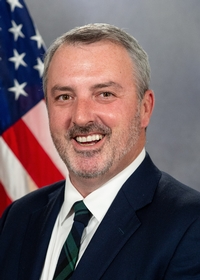
Rep. Kyle Donahue
Sponsored bills
Maddy summaryHB 378 amends Pennsylvania's child custody laws by adding new factors judges must consider when determining custody arrangements. The bill explicitly requires courts to weigh specific elements, such as the child's adjustment to home, school, and community, alongside existing considerations. This change directly affects judges presiding over custody cases and parents involved in those proceedings. The law became effective immediately upon the governor's approval on June 30, 2025 (Act No. 11 of 2025).
Maddy summaryHB 211 amends the 1996 Medical Foods Insurance Coverage Act to clarify and update the policy statement regarding insurance coverage for medical foods. It does not change coverage requirements but refines the legislative declaration of policy for insurers. This procedural amendment affects health insurance providers and patients relying on medical food coverage under existing law. The bill was enacted as Act No. 8 of 2025 after passing both chambers and receiving gubernatorial approval.
Maddy summaryHB 355 amends Pennsylvania's criminal code to strengthen protections for minors by updating the offenses of "corruption of minors" and "unlawful contact with minor." The bill specifically targets adults who exploit or sexually exploit minors through interactions like grooming or inappropriate contact, making these acts clearer and more severe under state law. It directly affects minors (ages 12-17) and adults who engage in prohibited conduct with them, including online interactions. The law increases penalties for these offenses by clarifying prohibited behaviors and strengthening sentencing guidelines, now effective as Act No. 5 of 2025.
Maddy summaryHR 173 is a non-binding resolution urging Congress to establish a National Infrastructure Bank. It does not create new laws or funding but formally requests Congress take action to create this bank, which would provide financing for infrastructure projects. The resolution directly affects Congress itself, as it calls on the legislative body to initiate this specific action. This is a procedural measure with no immediate policy impact, as it only expresses a recommendation.
Maddy summaryHB 1610 amends Pennsylvania's corporate tax rules to change how businesses with multiple related entities (unitary businesses) calculate their state tax liability. Starting in 2026, these businesses will determine Pennsylvania tax based on their total sales within the state relative to their nationwide sales, using a new "water's-edge" apportionment method. The bill specifically revises definitions and tax calculation rules for corporations, including adjustments to how income from intercompany transactions is treated and how nonbusiness income is allocated. This primarily affects large corporations operating across state lines as unified business groups. The changes aim to align Pennsylvania's tax calculation with federal reporting requirements for such entities.
Maddy summaryHB 506 amends Pennsylvania's Human Services Code to establish a state-funded Child Care Staff Recruitment and Retention Program. It directly affects licensed child care providers and their staff by creating a new program to address staffing shortages. The key mechanism provides state funding for recruitment incentives and retention support, such as signing bonuses or professional development, for child care workers. The bill passed final passage on June 25, 2025, and was referred to the Health & Human Services committee.
Maddy summaryThis resolution formally recognizes July 25, 2025, as "World IVF Day" within Pennsylvania. It is a symbolic gesture by the state legislature to acknowledge and raise awareness about in vitro fertilization (IVF) and reproductive health. The resolution does not create new laws, alter policies, or directly affect individuals or organizations. It serves as a commemorative statement without legal force or concrete policy changes.
Maddy summaryHB 1654 requires Pennsylvania school districts to set identical starting salaries for teachers holding the same grade span State instructional certification and salary step, beginning with the 2026-2027 school year. This applies uniformly across all districts, ensuring teachers with identical qualifications (certification type and experience level) receive the same initial pay regardless of where they are hired. The bill mandates this consistency in new-hire compensation without altering existing salary structures for current employees. It takes effect 60 days after enactment, with the first application for the 2026-2027 school term.
Maddy summaryHB 1653 creates competitive grants to help nonprofit early childhood organizations and public school districts establish or expand child-care centers in rural Pennsylvania counties with low population density (under 291 people per square mile). The grants fund facility costs like construction or renovation, and provide two years of salary supplements to ensure child-care staff earn comparable pay to public school teachers. Recipients must partner with local businesses to cover some child-care fees for employees, aiming to maintain staffing levels after the grant period ends. This bill directly supports rural communities facing childcare shortages by making it financially feasible to open or grow quality early childhood programs.