

Maddy summaryHB 2068 allows Pennsylvania county courts (second class A and third through eighth class, including home rule counties) to charge a $10 automation fee when legal cases are filed. The fee funds technology upgrades for court offices through a dedicated "prothonotary automation fund." Fees may increase every three years, but only by the percentage change in the Consumer Price Index (CPI-U), not exceeding inflation. This directly affects anyone filing new court cases in participating counties.
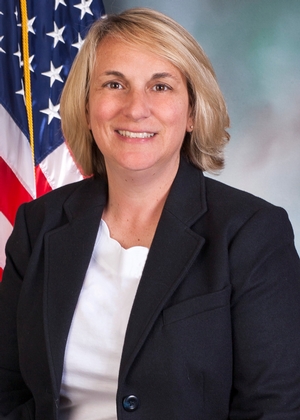
Rep. Marci Mustello
Sponsored bills
Maddy summaryHB 2064 increases the maximum fee that clerks of courts in Pennsylvania counties of second class A and third through eighth class (including home rule counties of the same class) can charge for initiating a legal action to $10 (from $5). The fee must be deposited into a county-specific "automation fund" to cover only court technology updates and automation improvements. Future fee increases are capped at the three-year Consumer Price Index change and can occur no more than once every three years. This bill directly affects residents and businesses filing lawsuits in these specific counties.
Maddy summaryThis bill reduces the percentage of interactive gaming tax revenue allocated to public projects from 25% to 22%, directing the remaining 22% to a special account for public interest grants across Pennsylvania. It maintains the existing 3% allocation for the Race Horse Development Trust Fund, which supports licensed racetracks conducting live racing. The change directly affects interactive gaming operators (who pay the tax) and state funding streams for public projects and horse racing. The policy modifies how tax revenue is distributed but does not alter the tax rate itself. The bill takes effect 60 days after enactment.
Maddy summaryHB 1895 establishes Pennsylvania's Agriculture Innovation Grant Program and an Agriculture Innovation Board under Title 3 of the state's statutes. The bill creates a program to provide grants supporting agricultural innovation, though specific funding levels or eligibility criteria are not detailed in the provided context. It also includes a repeal of existing provisions, though the exact repealed sections are not specified. The bill aims to advance agricultural innovation through these new structures, directly affecting entities eligible for the grant program and the board's oversight.
Maddy summaryHB 1867 would amend Pennsylvania's criminal code to prohibit courts from issuing extreme risk protective orders (ERPOs), which are court orders temporarily removing firearms from individuals deemed a risk to themselves or others. This bill directly affects individuals who might be subject to such orders, as well as law enforcement and courts that currently use ERPOs under existing state law. The key provision would eliminate the legal mechanism for ERPOs in Pennsylvania, preventing judges from issuing these orders even when requested by law enforcement or family members. The bill is currently in the Judiciary committee following its referral on September 17, 2025.
Maddy summaryHB 1816 regulates pet shops and kennels that handle dogs, cats, and rabbits. It prohibits specific practices like selling animals without health records and requires shops to maintain clean facilities, provide adequate food/water, and display clear pricing. The Department of Agriculture must enforce these rules, conduct inspections, and impose fines for violations. This bill directly affects businesses operating pet shops and kennels in the state, mandating new operational standards and penalties for noncompliance.
Maddy summaryHB 1424 amends Pennsylvania's Local Tax Enabling Act to prohibit local governments from taxing admission fees at recreational campgrounds. It adds a new restriction (section 18) preventing municipalities from levying amusement taxes on guest charges for campground access. The bill also clarifies that camping property rentals aren't considered "places of amusement" for tax purposes. This change affects all local authorities covered by the original tax law, including cities, towns, and school districts.
Maddy summaryHB 615 expands legal protection for individuals and organizations donating food to charities by strengthening the existing Donated Food Limited Liability Act. It directly affects food donors (like grocery stores, farms, and businesses) and food banks/receiving organizations by shielding them from liability claims if donated food causes harm - unless the donor acted with gross negligence. The key provision clarifies that donors cannot be sued for injuries related to donated food, provided they followed safety standards. This policy change aims to encourage more food donations by reducing legal risks for donors.
Maddy summaryThis bill is a symbolic resolution designating June 2025 as "Italian-American Heritage Month" in Pennsylvania. It officially recognizes Pennsylvania's Italian-American community - home to approximately 1.4 million residents with Italian ancestry - and highlights their historical contributions to the state and nation. The resolution does not create new laws or funding but formally designates the month for commemoration, referencing cultural milestones like Filippo Mazzei's influence on the Declaration of Independence and Philadelphia's large Italian-American population. The measure was adopted by the Pennsylvania House of Representatives on June 25, 2025.
Maddy summaryHR 194 is a symbolic resolution designating August 2025 as "National Wellness Month" in Pennsylvania. It does not create new laws, allocate funding, or directly affect specific groups; it serves only to recognize wellness awareness during that month. The resolution was referred to the Health Committee and later laid on the table, indicating it did not advance further in the legislative process. This type of resolution is purely commemorative with no policy impact.