

Maddy summaryThis bill amends the Pennsylvania Human Relations Act to update the list of protected characteristics, explicitly adding sex, sexual orientation, gender identity or expression, familial status, handicap, disability, and the use of support animals to existing categories like race and age. The legislation directly affects employers, employment agencies, labor organizations, and providers of housing and public accommodations by clarifying that discrimination based on these new and existing traits is unlawful. It reinforces the state's policy of ensuring equal opportunity and mandates that the Pennsylvania Human Relations Commission enforce these protections through established procedures and penalties. Additionally, the bill includes provisions to protect religious exercise while maintaining the commission's powers and duties to prevent prejudice and handle complaints.
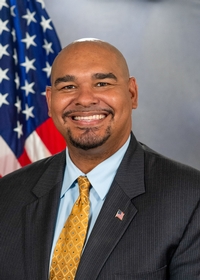
Rep. Justin Fleming
Sponsored bills
Maddy summaryHB 979 amends the Pennsylvania Election Code to clarify the rules for voting in primary elections, specifically addressing the rights of unenrolled electors who have no registered political party affiliation. The bill establishes that only voters enrolled in a political party can vote in that party's primary or hold party office, while allowing unenrolled voters to choose a party at the polling place and cast a ballot for that specific election. Under the new procedures, election officers must ask unenrolled voters which party they wish to support, record that choice on their certificate, and treat them as enrolled for that single vote. Additionally, the legislation updates definitions and repeals penalties related to voters accidentally using the wrong party ballot, streamlining the process for primary election administration.
Maddy summaryThis bill expands Pennsylvania's existing rules on firearm possession by clarifying the responsibilities of individuals who are legally prohibited from owning guns. It mandates that people facing certain disabilities must surrender their firearms, ammunition, and licenses to law enforcement or transfer them to eligible buyers within a specific timeframe, with stricter requirements for those subject to abuse protection orders. The legislation also introduces new penalties for failing to comply with these surrender orders and for knowingly accepting or returning weapons to prohibited individuals before a court order allows it. Additionally, the bill outlines duties for the Office of Attorney General and establishes procedures for handling firearms in community and municipal courts.
Maddy summaryThis bill requires manufacturers of firefighting protective gear containing PFAS chemicals to attach warning labels and provide written notices to buyers in Pennsylvania. It specifically targets equipment used by municipal fire departments and volunteer fire companies, covering items like jackets, pants, gloves, and helmets. The legislation mandates that these documents be kept on file for at least three years and assigns the Office of the State Fire Commissioner with the authority to enforce the rules. Penalties for non-compliance include fines of up to $5,000 for a first offense and $10,000 for subsequent violations, with the collected funds directed to state fire and emergency medical services grant programs.
Maddy summaryThis bill updates the Pennsylvania Consolidated Statutes to clarify which entities must maintain county property contact information lists. It specifically defines "business" and "limited liability company" to ensure these groups, along with individuals, are subject to the same duties as other property owners. The legislation imposes penalties on those who fail to comply with these new reporting requirements, aiming to streamline how property data is managed across the state.
Maddy summaryThis bill requires school nurses and other staff with direct student contact in Pennsylvania to complete approved training on recognizing seizures and providing first aid. Starting with the 2022-2023 school year, these employees must finish either an online course or in-person instruction covering seizure recognition and action plans. The law applies to all public, private, and parochial schools in the state to ensure staff are prepared to respond to medical emergencies. The training requirement is mandatory for the specified personnel, replacing any previous optional status for these courses.
Maddy summaryThis bill establishes a new Earned Paid Leave Act that requires employers to allow employees to accrue and use paid time off after working for 90 days. Under the program, workers earn one hour of paid leave for every 40 hours worked, with a maximum cap of 40 hours per year, and they must be paid their regular rate of pay while on leave. The legislation also creates a Small Business Grant Program and assigns specific duties to the Department of Labor and Industry for administering the law and enforcing penalties for violations.
Maddy summaryThis bill amends Pennsylvania's Municipalities Planning Code to improve how large land developments are reviewed and approved. It requires developers of significant projects to notify neighboring towns early, allowing those towns to request impact studies if they believe the project will affect them. The legislation also sets a strict 90-day deadline for local governments to decide on plat applications, while permitting extensions if an impact study or mitigation plan is needed. Finally, it mandates that final plat approval cannot occur until streets and essential infrastructure are completed or a financial guarantee is posted to cover future costs.
Maddy summaryThis bill expands the scope of practice for pharmacists in Pennsylvania by allowing them to administer injectable medications, biologicals, and immunizations to patients aged three and older. It establishes new requirements for training, parental consent for minors, and reporting procedures while also permitting pharmacists to delegate these tasks to specific healthcare professionals and qualified pharmacy technicians under strict supervision. Additionally, the legislation grants pharmacies with existing federal waivers the ability to perform certain laboratory tests for common illnesses like COVID-19 and the flu without adhering to some state clinical laboratory regulations.
Maddy summaryThis Pennsylvania bill prohibits the intentional addition of perfluoroalkyl and polyfluoroalkyl substances, commonly known as PFAS, to a wide range of consumer products including cookware, cosmetics, food packaging, and artificial turf. While the law generally bans these chemicals, it allows for their use in specific items if the Department of Environmental Protection determines that no safer alternative exists and the chemical is critical for the product's function. The Department of Environmental Protection is tasked with enforcing these restrictions, managing a public database of PFAS information, and imposing penalties for violations.