

Maddy summaryHB 684 requires Pennsylvania public schools to adopt evidence-based reading curricula and implement annual reading screenings for kindergarten through third-grade students starting in the 2026-2027 school year. Schools must identify reading deficiencies using approved screeners, notify parents in writing about deficiencies, and provide individualized reading intervention plans for affected students. The bill mandates that educators complete approved professional development training by the 2028-2029 school year to support these requirements. It directly affects K-3 students, their families, and school staff, with specific deadlines for curriculum adoption, screening, and educator training. The law also establishes reporting and accountability measures for school entities to ensure compliance.
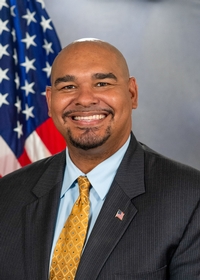
Rep. Justin Fleming
Sponsored bills
Maddy summaryThis Pennsylvania House Resolution (HR 213) designates June 19, 2025, as "Juneteenth Independence Day" to commemorate June 19, 1865 - the date Union troops in Galveston, Texas, announced the end of slavery nationwide. It encourages Pennsylvania residents to observe the day through educational events and activities. As a commemorative resolution, it does not create new laws or establish a paid holiday, but formally recognizes the historical significance of the date when slavery was finally abolished in all U.S. regions.
Maddy summaryHB 308 establishes new workplace health and safety standards specifically for public employees in Pennsylvania, including those working for the Commonwealth, counties, cities, schools, and public institutions. It creates the Pennsylvania Occupational Safety and Health Review Board, grants the Secretary of Labor new enforcement powers for workplace inspections, and requires public employers to meet safety standards comparable to those in the private sector under federal OSHA. The bill imposes penalties for violations, prohibits employer retaliation against employees reporting safety concerns, and mandates recordkeeping and reporting procedures. This legislation directly affects all public employees across Pennsylvania who previously lacked consistent state-level safety protections.
Maddy summaryHB 1307 allows homeless minors aged 16 or older who are self-supporting without parental financial or physical support to legally enter contracts for housing, employment, medical care (including domestic violence services), bank accounts, and automobile insurance. It requires parental consent (expressed or implied through actions like barring the minor from home or refusing support) or provider verification that returning home would cause harm. Minors’ consent for these services is binding like an adult’s and cannot be disaffirmed later, with providers protected from liability if they follow the consent procedures. The bill directly affects vulnerable homeless youth in Pennsylvania seeking independent access to essential services.
Maddy summaryThis bill allows land banks to acquire blighted or abandoned properties under specific conditions. Municipalities must verify properties have been vacant/blighted for 5 years (with exceptions for unimproved land), have building code violations or tax delinquency, and send three certified mail notices to owners. Property owners can appeal by submitting a redevelopment plan with financing, architectural details, or developer contracts; if approved, they get 6-month extensions but must meet redevelopment timelines. Land banks must pay owners the property's appraised value minus fines or liens, directly affecting land banks, municipalities, and owners of distressed properties.
Maddy summaryHB 1317 increases Pennsylvania's annual cap on entertainment production tax credits from $100 million to $125 million. It also establishes new rules allowing the Department of Revenue to carry forward unused credits: up to 30% for the next fiscal year, 20% for the year after, and 10% for the third year. This directly affects film and entertainment producers seeking tax credits under the Tax Reform Code of 1971. The changes apply to fiscal years beginning July 1, 2025.
Maddy summaryHB 543 modifies Pennsylvania's electric utility regulations to strengthen energy efficiency program oversight. It requires the Public Utility Commission to review utility efficiency plans within 120 days, provide detailed reasons for disapproval, and allow utilities 60 days to revise plans addressing commission concerns. The bill specifically protects cost-effective mechanical insulation (used in heating/cooling systems) from disapproval solely based on its inclusion, requiring the commission to use a total resource cost test. This directly affects electric distribution companies and the commission, with the changes taking effect 60 days after enactment.
Maddy summaryHB 1134 requires food products containing specific synthetic colors (Blue 1, Blue 2, Green 3, Red 40, Yellow 5, or Yellow 6) to display a warning label on the front of the package. The warning must state: "WARNING: This product contains synthetic colors, which may have an adverse effect on activity and attention in children," in bold type at least as large as the "serving size" declaration. This law directly affects food manufacturers and retailers selling products with these dyes in Pennsylvania. The requirement applies to all such products sold within the state and takes effect one year after enactment.
Maddy summaryHB 1131 amends Pennsylvania's Public School Code to prohibit public schools from selling or offering competitive foods containing specific artificial dyes during the school day. The bill bans six dyes (Blue 1, Blue 2, Green 3, Red 40, Yellow 5, and Yellow 6) in foods sold on school grounds that compete with federally reimbursable meals like school lunches. It defines "competitive food" as any food sold during school hours that competes with National School Lunch Program meals. The prohibition applies to all public schools in Pennsylvania and takes effect July 1, 2027. This is a direct policy change restricting certain food additives in school food sales, not a health recommendation.
Maddy summaryHB 1132 prohibits Pennsylvania public schools from selling or offering "unhealthy ultra-processed foods" as competitive foods during the school day. It defines "ultra-processed food" as items containing specific additives like artificial colors, stabilizers, non-nutritive sweeteners, or flavor enhancers (excluding natural seasonings), and "unhealthy" as failing FDA standards for the term "healthy" on labels. Competitive foods - such as vending machine snacks or cafeteria items sold alongside school meals - are banned if they contain these unhealthy items. The law takes effect July 1, 2027, directly affecting public school food vendors, students, and school nutrition programs across Pennsylvania.