

Maddy summaryHB 446 requires hospitals and ambulatory surgical facilities in Pennsylvania to offer patients unused, facility-provided medication at no additional cost upon discharge, if the prescriber determines it's clinically appropriate for continuing treatment. The bill specifies that this applies only to non-controlled, multi-dose medications like eye drops, creams, or inhalers (excluding IV drugs or controlled substances), and mandates clear discharge instructions with usage details and contact information. Providers acting in good faith are protected from liability for patient misuse, and such medication offers are exempt from standard outpatient dispensing rules. This directly affects patients discharged from hospitals or ambulatory facilities and the healthcare facilities providing their care.
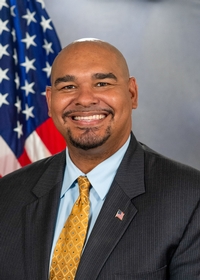
Rep. Justin Fleming
Sponsored bills
Maddy summaryHB 2004 creates a special account to hold emergency funds for SNAP benefits, which provide food assistance to low-income residents. The bill requires the Department of Human Services, the Secretary of the Budget, and the State Treasurer to transfer these funds to pay SNAP recipients. This establishes a dedicated funding mechanism specifically for emergency SNAP benefit payments. The bill directly affects SNAP recipients by ensuring a streamlined process for receiving benefits during emergencies.
Maddy summaryHB 1406 would amend Pennsylvania's theft laws by changing how theft offenses are classified by severity (grading). It directly affects individuals convicted of theft crimes, as it would alter the legal categories used to determine penalties. The bill's key mechanism involves revising specific sections of the state's criminal code to adjust the grading system for theft offenses. This change would impact sentencing outcomes for theft cases but does not introduce new penalties or expand the scope of theft crimes.
Maddy summaryHB 1974 creates a new Contingency Management Support Grant Program within the Department of Drug and Alcohol Programs. The bill establishes a mechanism for distributing grants to support substance use disorder treatment programs that use evidence-based contingency management approaches (like providing rewards for treatment adherence). This program directly affects licensed treatment providers and individuals receiving substance use disorder services by providing funding for these specific support services. The bill amends the 1929 Administrative Code to authorize this grant program under the department's existing authority.
Maddy summaryHB 1417 creates a state grant fund to help community organizations provide diapers, briefs, and incontinence supplies to people in need, primarily affecting seniors and individuals with disabilities who rely on these products. It directs the Department of Aging to establish a program improving access to these supplies and assigns specific duties to the Department of Human Services for program implementation. Key provisions include setting up the grant fund, requiring the Aging Department to develop the access program, and outlining the Human Services Department’s role in managing it. The bill proposes concrete policy changes by creating a new funding mechanism and defining agency responsibilities to address supply access gaps.
Maddy summaryHB 1900 would amend Pennsylvania's Tax Reform Code of 1971 to create a tax credit for educators. This credit would allow teachers and school staff to reduce their income tax liability. The bill specifies this credit as part of the state's tax code changes, though details on eligibility or credit amount are not provided in the available context.
Maddy summaryHB 1989 creates the Keystone National Finance Authority to manage economic development financing in Pennsylvania. This new state agency will replace existing mechanisms under Title 64 for issuing bonds and providing loans to support projects like job creation, infrastructure, and business growth. It directly affects state agencies, local governments, and businesses seeking financing for qualifying economic development initiatives. The bill establishes clear processes for the authority to approve projects, issue debt, and manage funds, streamlining how financing is accessed for public and private development efforts.
Maddy summaryHB 145 amends Pennsylvania's unemployment compensation law to clarify when workers lose eligibility for benefits. It directly affects claimants who voluntarily leave jobs, adding specific protections: workers cannot be disqualified for leaving due to disability if suitable work is available, for joining or staying in a union, or to accompany a military spouse relocating due to active duty orders. The bill defines "suitable employment" as work requiring similar skills and paying at least 80% of a worker's previous average weekly wage. These changes aim to prevent unfair disqualifications while maintaining the law's core purpose of providing benefits to eligible unemployed workers.
Maddy summaryHR 201 is a ceremonial resolution designating September 29, 2025, as "VFW Day" in Pennsylvania. It formally recognizes the Veterans of Foreign Wars (VFW) organization and its contributions, without creating new laws or altering policies. The resolution was adopted by the Pennsylvania House of Representatives on October 7, 2025, as a symbolic gesture honoring veterans' service. This type of resolution does not affect individuals, provide funding, or change legal requirements.
Maddy summaryThis resolution designates September 15 through October 15, 2025, as "Hispanic Heritage Month" within Pennsylvania. It does not create new laws or affect individuals or groups directly; instead, it formally recognizes this period for commemorative purposes. The resolution was adopted by the Pennsylvania legislature on October 7, 2025, as a symbolic gesture to honor Hispanic heritage. It follows standard procedural practice for state-level observances without implementing policy changes.