

Maddy summaryHB 1866 would have expanded Pennsylvania's definition of "prohibited offensive weapons" under criminal law to include specific items like modified firearms and certain knives, making it a crime to attempt to obtain or possess them. The bill aimed to clarify that inchoate offenses (such as attempted possession) involving these weapons would be punishable under existing statutes. It directly affected individuals facing charges related to preparing to obtain or carry these weapons. However, the bill was defeated during final passage on October 1, 2025.
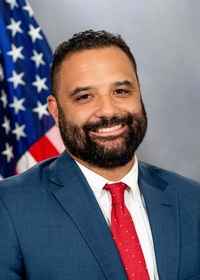
Rep. Dave Madsen
Sponsored bills
Maddy summaryHB 1099 would create a new criminal offense under Pennsylvania law for possessing or manufacturing undetectable firearms. These are weapons that cannot be detected by standard metal detectors, such as certain 3D-printed guns. The bill would add this specific prohibition to Pennsylvania's criminal code, making it illegal to have or produce such firearms. It directly affects individuals who possess or create undetectable firearms by establishing clear legal consequences for this activity.
Maddy summaryHB 1859 proposed changes to Pennsylvania's firearm laws, targeting individuals prohibited from possessing firearms (such as those under extreme risk protection orders) and establishing rules for safely surrendering firearms. It added provisions for "extreme risk protection orders" (court orders to temporarily remove firearms from high-risk individuals), clarified restrictions on firearm possession, and required the Attorney General to create a system for reporting firearm abandonment. The bill also updated procedures for community courts and imposed penalties for violations, but it was defeated in final passage on September 30, 2025.
Maddy summaryHB 1896 modifies bidding rules for Pennsylvania redevelopment projects funded through capital facilities programs. It requires at least three written bids for all projects under $25,000, while projects exceeding $25,000 must ensure workers earn the state's prevailing wage (per the Pennsylvania Prevailing Wage Act) and comply with steel procurement rules. The bill clarifies that all work on a single project site - whether through separate contracts or phases - is fully subject to prevailing wage requirements. This directly affects local governments and contractors managing redevelopment capital projects funded under the Capital Facilities Debt Enabling Act.
Maddy summaryHB 985 creates an annual revenue-sharing program where municipalities receive funds based on tax-exempt real property (like schools or nonprofits) within their borders. It establishes the Tax-exempt Property Municipal Assistance Fund to distribute these shared revenues. The Department of Community and Economic Development would manage the fund and determine annual allocations. The bill also repeals outdated provisions related to this tax-exempt property revenue system.
Maddy summaryHB 257 updates Pennsylvania laws across multiple transportation and gaming areas. It creates new rules for minor driver licensing (including junior licenses and learners' permits), adds penalties for drug delivery on transit, and allows operating controlled substance injection sites near public transit infrastructure. The bill also adjusts interactive gaming taxes, establishes a new highway funding account for state routes, and defines terms for sustainable mobility programs. These changes directly affect drivers (especially minors), transit operators, gaming businesses, and local transportation authorities.
Maddy summaryHB 1697 amends Pennsylvania's Human Services Code to create a state-level False Claims Act, directly affecting healthcare providers, contractors, and organizations receiving state funds (like Medicaid or welfare programs). It makes individuals or entities liable for three times the damages plus penalties if they knowingly submit false claims, make false records, or conceal obligations to the state. The bill establishes "qui tam" lawsuits allowing whistleblowers to sue on behalf of the state and creates a Fraud Prevention and Recovery Account to hold recovered funds. These provisions align Pennsylvania's law with the federal False Claims Act to combat fraud in public spending.
Maddy summaryHB 1466 requires mortgage lenders in Pennsylvania to provide mandatory housing counseling to applicants before processing reverse mortgage loans. Specifically, licensees must arrange in-person, phone, or video counseling from a HUD-approved agency, covering reverse mortgage details and alternatives, and issue a certificate documenting the session. This applies to all applicants for reverse mortgages - loans secured by home equity that don’t require repayment until later - and mandates lenders to keep counseling records for the loan’s duration. The bill directly affects mortgage lenders and reverse mortgage applicants, aiming to improve consumer understanding of this complex financial product.
Maddy summaryHB 1749 amends Pennsylvania's 1971 Tax Reform Code to modify sales and use tax exclusions and create a new tax credit specifically for the steel industry. The bill establishes a "fueling opportunities" tax credit aimed at supporting steel businesses engaged in revitalization, growth, and operational efficiency. This credit directly affects steel manufacturers and related businesses by potentially reducing their tax burden for qualifying activities. The bill focuses on concrete tax code changes rather than broader policy shifts, with its key mechanism being the new credit program within the existing tax framework.
Maddy summaryHB 1093 amends Pennsylvania's vehicle safety laws to update requirements for restraint systems, directly affecting vehicle owners and drivers statewide. The bill modifies existing rules for seatbelts and child safety restraints, clarifying standards for installation and use in motor vehicles. Key provisions include updating equipment specifications to align with current safety technology and ensuring compliance for all passenger vehicles. This change aims to strengthen road safety by standardizing restraint system requirements across Pennsylvania.