

Maddy summaryHB 1326 amends Pennsylvania's Public School Code to change how school districts calculate student travel distances for attendance purposes and requires standardized reporting of pupil transportation data. It directly affects school districts by altering the method for measuring distance to determine if a student qualifies for transportation under attendance rules, and it impacts state funding by mandating specific data collection for reimbursement between districts and the Commonwealth. The bill establishes clear requirements for districts to track and submit transportation information, ensuring consistent data for state funding decisions. This policy change aims to standardize processes related to student transportation eligibility and funding allocation.
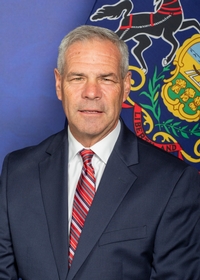
Rep. John Schlegel
Sponsored bills
Maddy summaryHB 1619 establishes a new regulatory program within the Department of Revenue to oversee "skill gaming" (games where skill determines outcomes, not chance). It requires businesses offering such games to obtain licenses, comply with specific zoning rules for where they can operate, and follow new operational standards. The bill imposes both criminal penalties for serious violations and civil penalties for lesser breaches. This directly affects skill gaming businesses, local governments managing zoning, and the Department of Revenue, which gains authority to issue licenses and enforce rules.
Maddy summaryHB 1513 would amend Pennsylvania's criminal code to establish criminal liability for internet publishers and distributors who knowingly make material harmful to minors available online. The bill targets content such as explicit sexual material deemed harmful to minors, creating a legal framework for prosecution without requiring proof of intent to harm minors. It directly affects online platforms, website operators, and content distributors that host or share such material. The bill is currently pending in the Communications & Technology committee for further review.
Maddy summaryHB 1517 would amend Pennsylvania's vehicle registration laws to allow private vendors to design custom license plates for vehicle owners. This change directly affects drivers who wish to choose non-standard plate designs and vendors seeking to sell these customized options. The bill establishes a new process within the state's vehicle registration system for vendor-designed plates, replacing the current requirement for state-only designs. It does not alter vehicle registration fees or requirements beyond this plate design option.
Maddy summaryHB 1499 updates Pennsylvania's child custody laws under Title 23. It clarifies definitions, establishes clearer rules for awarding primary physical custody, and requires courts to consider criminal convictions when making custody decisions. The bill also mandates parenting plans and specifies factors judges must evaluate, directly affecting parents, judges, and child welfare agencies involved in custody cases. The legislation was recently referred to the Judiciary Committee on May 28, 2025.
Maddy summaryHB 1273 repeals Pennsylvania's requirement that taxpayers make payments of $15,000 or more electronically for personal income tax, along with related penalties for non-compliance. It replaces these rules by adding a new provision requiring the Department of Revenue to accept all payment methods without penalties for taxpayers. This bill directly affects individuals and businesses paying Pennsylvania personal income tax, removing a specific electronic payment mandate and associated fines. The changes take effect for taxable years beginning after December 31, 2025, making all payment methods equally acceptable without penalty.
Maddy summaryHB 1167, titled the Clean Air Preservation Act, bans cloud seeding, solar radiation modification, and other polluting atmospheric interventions within Pennsylvania. It directly affects any person or organization (including government agencies, corporations, or individuals) conducting such activities. The law requires Pennsylvania State Police or sheriffs to issue immediate cease-and-desist orders for suspected violations, treating these orders as court-enforceable. Violators face felony charges with penalties of at least $500,000 fines or two years in prison per violation, plus potential additional penalties under Pennsylvania’s existing Air Pollution Control Act.
Maddy summaryHB 1079 makes it a crime to change a consumer's electric or natural gas supplier without their consent, protecting consumers from unauthorized service switches. The law imposes penalties: a first offense is a misdemeanor, while repeat offenses or cases involving vulnerable consumers (60+ years or care-dependent individuals) become felonies. Prosecution can be handled by local district attorneys or the Attorney General for multi-county or interstate cases, and this criminal law does not prevent the Pennsylvania Public Utility Commission from taking administrative action. The bill directly affects utility companies, suppliers, and consumers by adding criminal consequences for unauthorized service changes.
Maddy summaryHB 1078 updates Pennsylvania's school health requirements to strengthen vision screening and eye health examinations for students. It mandates annual vision screenings by trained school personnel for all school-aged children, with comprehensive eye exams by licensed professionals required if screenings fail. The bill specifies that students must receive eye health exams upon school admission, in fourth grade, and eighth grade, and adds requirements for exams related to special education evaluations. Schools must notify parents of failed screenings and provide resources, but are not responsible for covering exam costs or treatment. This directly affects all public and nonpublic school students in Pennsylvania.
Maddy summaryThis bill proposes a constitutional amendment to Pennsylvania that would ban all taxes on real property, including land and buildings owned by individuals or businesses. The change would take effect on July 1, 2030, and would apply to taxes imposed by the state government, local municipalities, school districts, or any other political subdivision within the Commonwealth. To become law, the amendment must pass both houses of the General Assembly and then be approved by voters in a statewide election. The bill argues that taxing property violates the inherent right to own and protect property, a principle recognized since Pennsylvania's founding in 1776.