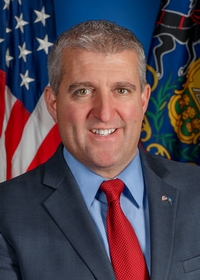
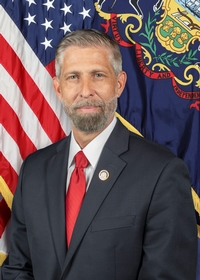
HB 1710 updates Pennsylvania's vehicle registration and title system under Title 75. It repeals temporary registration cards and permits, requiring standard registration instead, and updates procedures for transferring registration and issuing plates. The bill also adds a road user charge for electric vehicles and clarifies fees for electronic registration plates. These changes directly affect vehicle owners, dealers, and state agencies handling registrations. The bill focuses on modernizing administrative processes and adding new fee structures for electric vehicles.
HB 646 amends Pennsylvania's vehicle code to prohibit drivers from using hearing impairment devices, such as hearing aids or cochlear implants, while operating a motor vehicle. This law directly affects drivers who rely on such devices, making it illegal to use them while driving. The key provision updates the "rules of the road" under Title 75 to explicitly ban the use of these devices behind the wheel. The bill became law as Act No. 43 of 2025 after receiving gubernatorial approval on November 6, 2025.
HB 1303 requires emergency vehicles transporting K-9 units (including police, fire, and search and rescue dogs) to install heat detection devices. These devices must alert operators via horn, sirens, or lights when cabin temperatures become unsafe for the animals and automatically lower two windows at unsafe temperatures. The Pennsylvania Department of Transportation will establish regulations for device types, installation, and temperature thresholds. The bill directly affects all emergency vehicles used by Pennsylvania law enforcement and public safety agencies that transport K-9 officers, aiming to prevent heat-related harm to working dogs.
SB 452 establishes the "Safe Path Restricted Account" within Pennsylvania's General Fund, transferring $50 million for fiscal year 2025-2026. The Pennsylvania Commission on Crime and Delinquency will use these funds to award grants to political subdivisions and nonprofits operating safe passage programs. These programs aim to improve safety for youth and adults traveling to and from schools and community centers. Priority is given to applicants in areas with high gun violence rates, as determined by the Commission.
HR 20 is a House Resolution directing Pennsylvania's Joint State Government Commission to study truck parking shortages. It requires the Commission to analyze challenges, identify high-demand areas, examine solutions from other states, and develop recommendations to expand parking capacity within 12 months. The study will specifically address the shortage of approximately 4,400 truck parking spaces, which leaves about 1,000 trucks parked on highway shoulders nightly. This resolution affects truck drivers, transportation systems, and communities by focusing on safety, congestion, and infrastructure needs. It does not enact new law but will inform future policy decisions.
HB 312 requires Pennsylvania's Department of Highways to resurface all state highways with two- or three-digit route numbers at least once every 25 years. The bill mandates the department to create a 25-year resurfacing plan for each engineering district, prioritize overdue highways during the final year of each plan, and publish a public list by county showing the last resurfacing year for each highway. This amendment standardizes maintenance schedules and increases transparency about highway upkeep. The bill takes effect 60 days after enactment.
HB 514 allows Pennsylvania municipalities to spread saltwater brine (a byproduct of oil/gas drilling) on local roads for dust control or road stabilization, but only from wells that are *not* unconventional (like fracking sites). Municipalities can also delegate this task to others under their direct supervision. The bill prohibits state agencies from requiring additional approvals for this use, while requiring brine spreading to stay at least 150 feet away from all water bodies. This directly affects local governments managing roads and operators of conventional oil/gas wells. The law takes effect immediately.
SB 210 creates a new offense for interfering with public transit operators (like bus drivers or conductors) while they are performing their duties. It prohibits actions that cause serious injury or death to operators (felony first degree), lesser injury (felony third degree), or create fear of harm. The law applies to any public transit vehicle, including buses, trains, and streetcars, and covers both direct harm to operators and harm to passengers caused by the interference. Penalties range from serious felony charges for severe cases to lesser felonies for less severe violations.
HB 539 sets a maximum length of 8,500 feet for freight trains operated by railroads in Pennsylvania, directly affecting rail companies transporting goods within the state. The bill prohibits trains exceeding this length unless federal law requires an exception, which the state Public Utility Commission may allow under specific conditions. Violations incur escalating fines: $5,000-$10,000 for a first offense, increasing to $15,000-$20,000 for subsequent offenses within three years. Collected fines must be deposited into the state General Fund to support enforcement of this law.
HB 540 requires freight trains operating in Pennsylvania to have at least two crew members: one conductor and one locomotive engineer, directly affecting railroads transporting goods across the state. Exceptions include trains within repair facilities or under federal law compliance. Railroads violating this rule face escalating civil penalties ($5,000-$20,000 per offense), with fines deposited into the General Fund for enforcement. The bill amends Pennsylvania's Public Utilities code to establish these safety standards and penalties for noncompliance.