Issue · Labor & Employment

Labor & Employment

Every labor & employment bill, vote, and legislator stance in Pennsylvania, automatically classified by Maddy, our AI policy reader.

Total bills
29
119th Congress
Top supporter
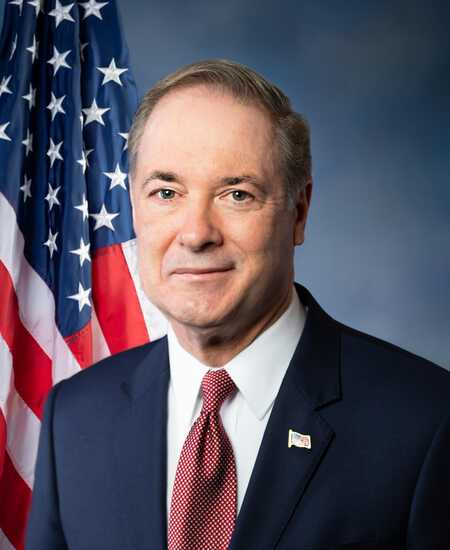
Robert P. Bresnahan, Jr.
92% support rate
Top opponent
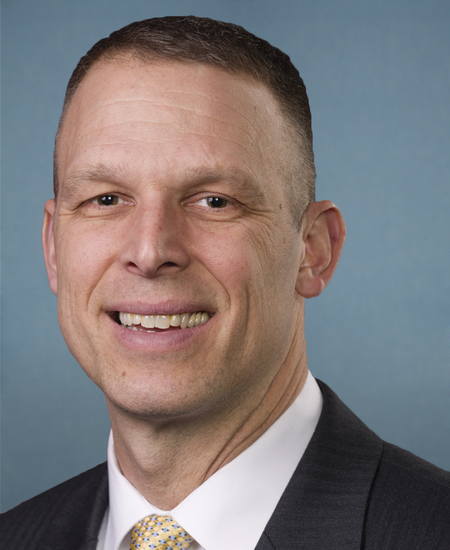
Scott Perry
31% support rate
Ranked legislators
10
5 support · 5 oppose
Key legislators

Who's moving labor & employment in Pennsylvania

Legislators moving labor & employment in Pennsylvania
Legislator Party Stance Support rate Votes
Robert P. Bresnahan, Jr.
Robert P. Bresnahan, Jr. House · District 8
R
Strong +
92% 197
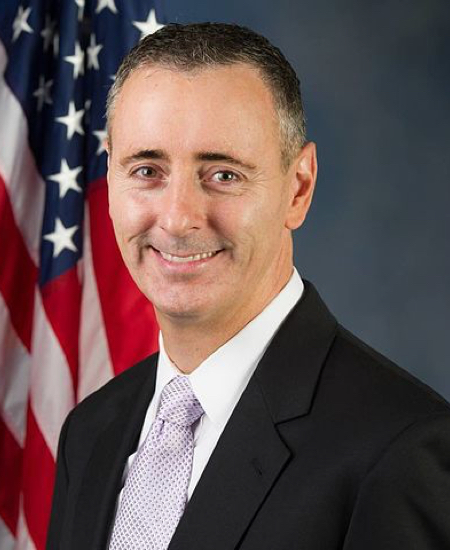
Brian K. Fitzpatrick
Brian K. Fitzpatrick House · District 1
R
Strong +
92% 194
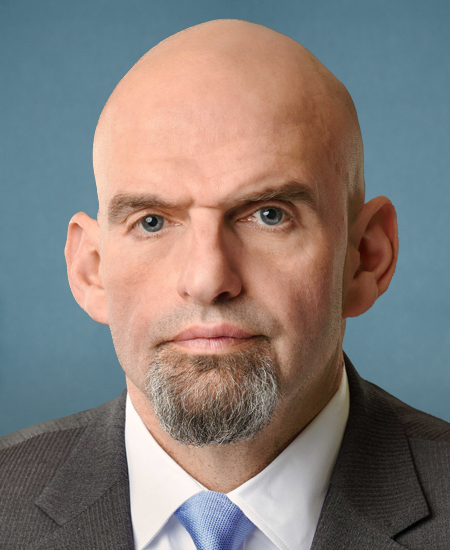
John Fetterman
John Fetterman Senate
D
Strong +
86% 207
Chrissy Houlahan
Chrissy Houlahan House · District 6
D
Support
69% 191
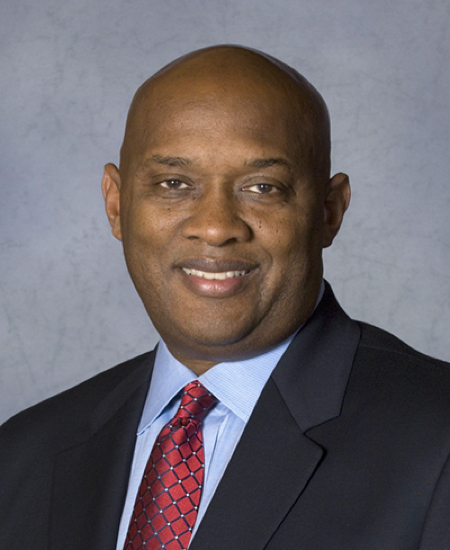
Dwight Evans
Dwight Evans House · District 3
D
Support
67% 175
Scott Perry
Scott Perry House · District 10
R
Oppose
31% 194
John Joyce
John Joyce House · District 13
R
Oppose
38% 198
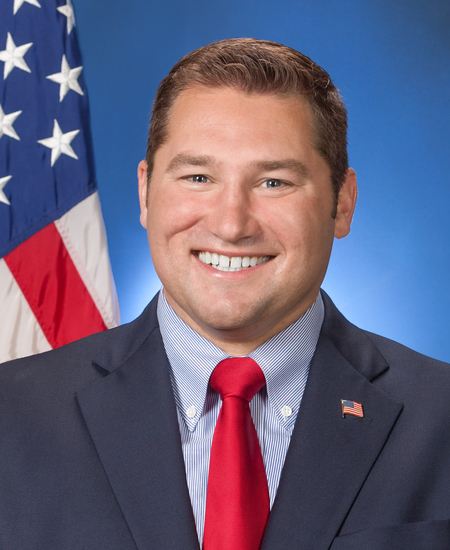
Guy Reschenthaler
Guy Reschenthaler House · District 14
R
Oppose
38% 191
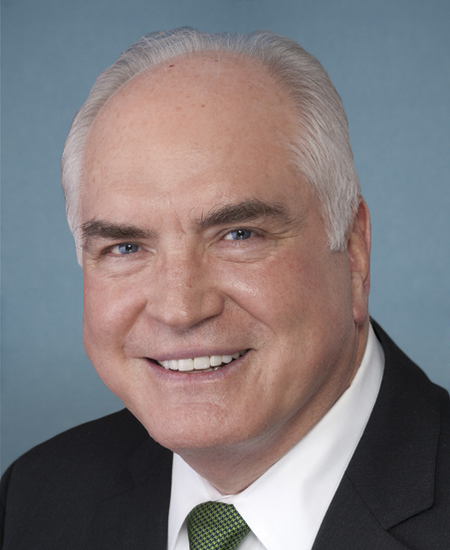
Mike Kelly
Mike Kelly House · District 16
R
Oppose
38% 194
Glenn Thompson
Glenn Thompson House · District 15
R
Oppose
38% 197
Showing 1–10 of 29 bills

All labor & employment bills

in committee · United States · House Apr 9, 2026

HR 8232: To amend title 49, United States Code, to repeal certain employee protective arrangements, and for other purposes.

This bill removes a specific protective arrangement for employees under Section 5333(b) of Title 49 of the United States Code. The provision being repealed likely provided certain legal protections or benefits to workers in the transportation or related industries. By repealing this section, the bill eliminates those specific employee protections from federal law. The change directly affects workers who were previously covered under the repealed arrangement. This legislative action is a straightforward removal of existing regulatory text without adding new requirements or benefits.
in committee · United States · House Apr 9, 2026

HR 8213: Defending Women in the Workplace Act

This bill amends Title VII of the Civil Rights Act of 1964 to clarify that protections against sex discrimination do not extend to gender identity. It directly affects employers, employees, and individuals involved in workplace discrimination claims by explicitly excluding gender identity from the definition of sex-based discrimination. The key provision is a rule of construction that interprets existing federal law in a specific way, rather than creating new protections or restrictions. This change would limit the scope of federal sex discrimination claims to biological sex rather than including gender identity as a protected category.
in committee · United States · House Jan 7, 2025

HR 236: Federal Employee Return to Work Act

This bill requires federal employees who telework at least one day weekly (or 20% of their time under alternative schedules) to be paid at the "Rest of U.S." locality pay rate without future adjustments. It excludes employees who telework daily, those with disabilities receiving accommodations, Foreign Service members, law enforcement officers, and military personnel on active duty. Covered employees will no longer receive annual pay adjustments under standard federal pay schedules. The policy takes effect at the start of the first full fiscal year after the bill becomes law. It directly affects federal workers meeting the telework threshold, altering their pay structure based on location.
in committee · United States · House Jan 16, 2025

HR 473: SHOW UP Act of 2025

HR 473, the SHOW UP Act of 2025, requires federal executive agencies to return to pre-pandemic telework policies within 30 days of enactment, limiting work-from-home options to those in place on December 31, 2019. Agencies must then conduct a 6-month study analyzing pandemic-era telework impacts - including effects on mission performance, costs from underused office space, and employee productivity tools - and submit a plan to Congress if they seek to expand telework beyond these baseline levels. The plan requires certification from the Office of Personnel Management confirming it will improve mission performance, reduce real estate costs, lower locality pay expenses, and ensure secure remote work capabilities without increasing agency costs. This bill directly affects all federal executive agencies (excluding the Government Accountability Office) and their employees by restricting telework flexibility and imposing strict requirements for any future expansion.
in committee · United States · House Jan 23, 2025

HR 687: MERIT Act of 2025

The MERIT Act of 2025 makes significant changes to federal personnel management by repealing Chapter 43 performance-based actions and modifying procedures for disciplinary actions, furloughs, and bonus recoupment. It extends probationary periods for senior executives (to 2 years) and competitive service employees (to 2 years), establishes new rules for reducing retirement benefits of employees convicted of felonies related to their federal service, and creates standardized procedures for adverse actions including written notice requirements and response periods. The bill also allows agencies to recoup bonuses for misconduct and modifies procedures for handling furloughs of more than 14 days. These changes apply to all federal employees across government agencies and aim to clarify and streamline personnel management processes.
Sub-Topics Public Employees
in committee · United States · House Jan 23, 2025

HR 697: End the Deep State Act

HR 697 (the "End the Deep State Act") creates a new "Schedule Policy/Career" for federal positions involving confidential, policy-making, or policy-advocating work that are not typically replaced during presidential transitions. Agencies must review their roles by 2025 to identify such positions for this streamlined hiring process, which bypasses standard competitive exams and reduces civil service protections for these roles. The bill revokes a 2021 executive order protecting federal workforce hiring practices and requires agencies to adjust appointment rules accordingly. This affects thousands of federal employees in policy-focused roles across executive agencies, shifting their classification from competitive hiring to a non-competitive, politically aligned appointment system.
Sub-Topics Public Employees
in committee · United States · House Feb 10, 2025

HR 1172: No Social Security for Illegal Aliens Act of 2025

HR 1172 would amend the Social Security Act to prevent undocumented immigrants from earning Social Security credits for work performed in the U.S. without authorization. It specifically excludes wages earned and self-employment income derived during periods when an individual lacked work authorization from counting toward Social Security benefits. This change applies retroactively to all wages earned before, on, or after the law's enactment, affecting future benefit calculations for undocumented workers. The bill directly impacts individuals working without legal status, ensuring such work does not contribute to their Social Security eligibility or future benefits.
Sub-Topics Work Authorization
in committee · United States · House Mar 5, 2025

HR 1882: Saving Gig Economy Taxpayers Act

This bill modifies tax reporting rules for gig economy platforms (like Uber or DoorDash) by reinstating a pre-American Rescue Plan threshold. It requires third-party payment platforms to report income to the IRS only if a gig worker earns over $20,000 in a year or completes more than 200 transactions. This directly affects low-earning gig workers who would no longer receive tax forms for smaller earnings. The change simplifies reporting for platforms and reduces administrative burden on workers with minimal income from these platforms.
Sub-Topics Gig Economy
in committee · United States · House Sep 26, 2025

HR 5596: FARMS Act

HR 5596, the FARMS Act, freezes the current wage rate for H-2B visa workers for two years after enactment. It directly affects H-2B nonimmigrant workers and their employers by preventing increases to the required wage rate during this period. The bill allows the Secretary of Labor to retain the existing wage rate if they determine a valid calculation method for the new rate is unavailable. This provides temporary stability to employers hiring H-2B workers without requiring immediate changes to wage payments.
in committee · United States · House Apr 1, 2025

HR 2572: Worker Enfranchisement Act

The Worker Enfranchisement Act (HR 2572) changes how unions gain exclusive representation rights under labor law. It requires that a union must be chosen by at least two-thirds of all eligible employees voting in a secret ballot election, rather than a simple majority. This applies to all new union representation elections occurring six months after the bill becomes law. The change directly affects workers and unions by raising the threshold for establishing a union as the sole bargaining representative.
Showing 1 to 10 of 29 bills
1 2 3 Next